Why Doing Everything In-House Actually Matters for Your UV Lamps
Most companies buy their parts from three different vendors and just assemble them. We don’t do that. We handle the entire production line—from the raw quartz to the final electrode. Why? Because it means we can tweak the chemistry and the glass to fit exactly what you need without adding a “middleman tax” to your invoice.
Getting the Waveband Right
Here is how it works: we excite mercury vapor to get specific wavelengths. If you’re killing germs, we hit that 253.7nm UVC peak to wreck microbial DNA. If you’re curing ink or coatings, we shift things toward UVA or UVB to get those photoinitiators moving. But a word of caution. High wattage in a tight space creates a lot of heat. If your cooling fans or water jackets aren’t up to the task, that quartz envelope is going to stress. And once it stresses, it cracks. It’s a mess you don’t want to deal with.
The Hardware Stuff
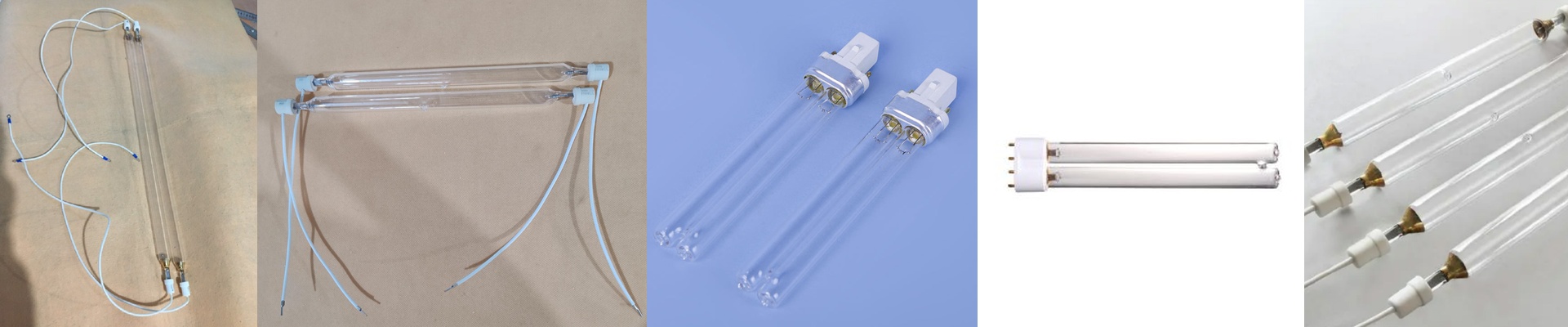
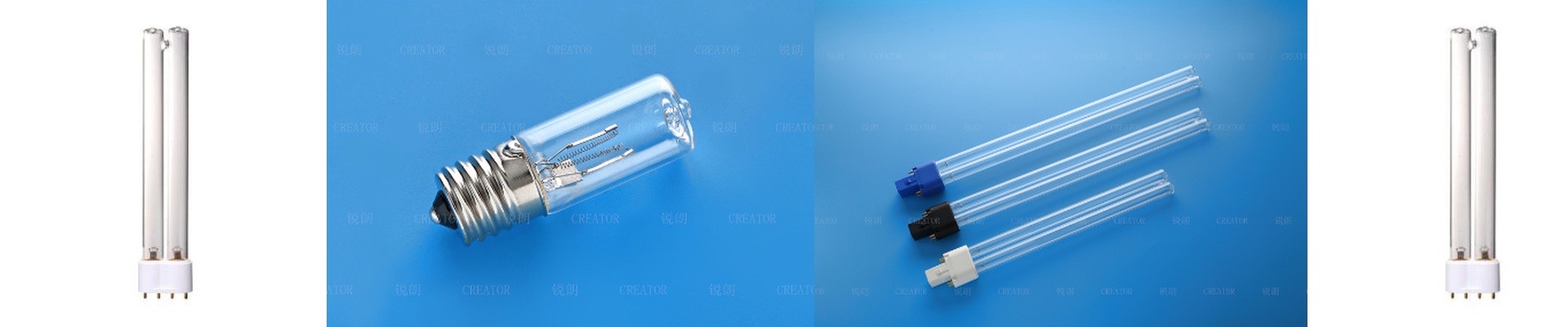
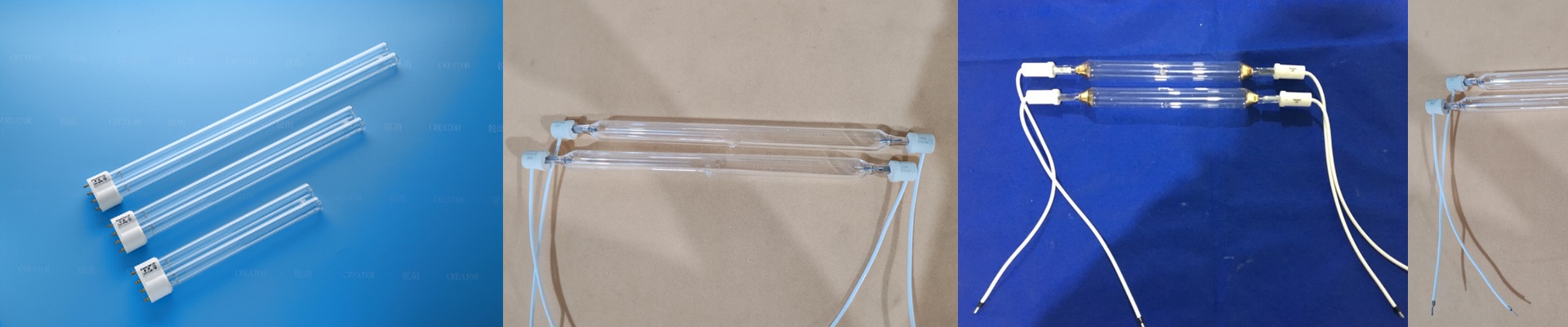
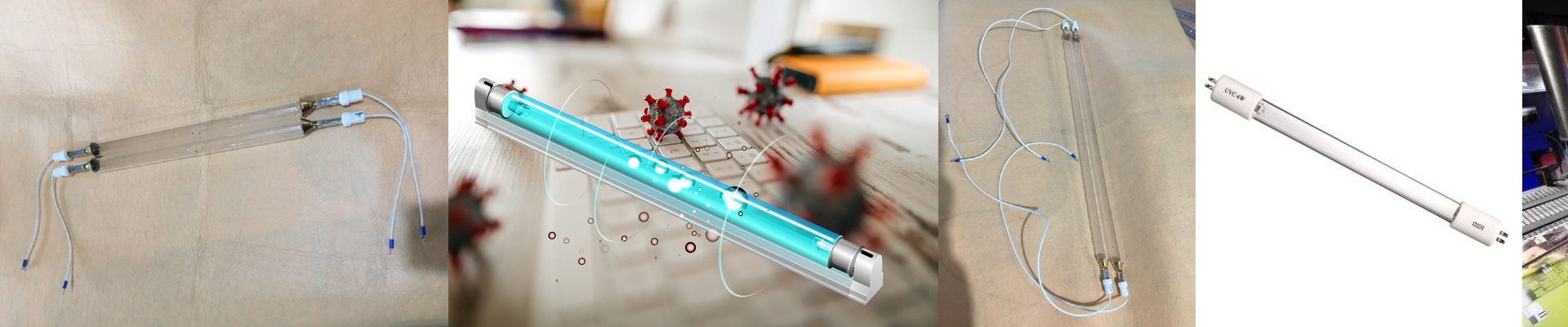
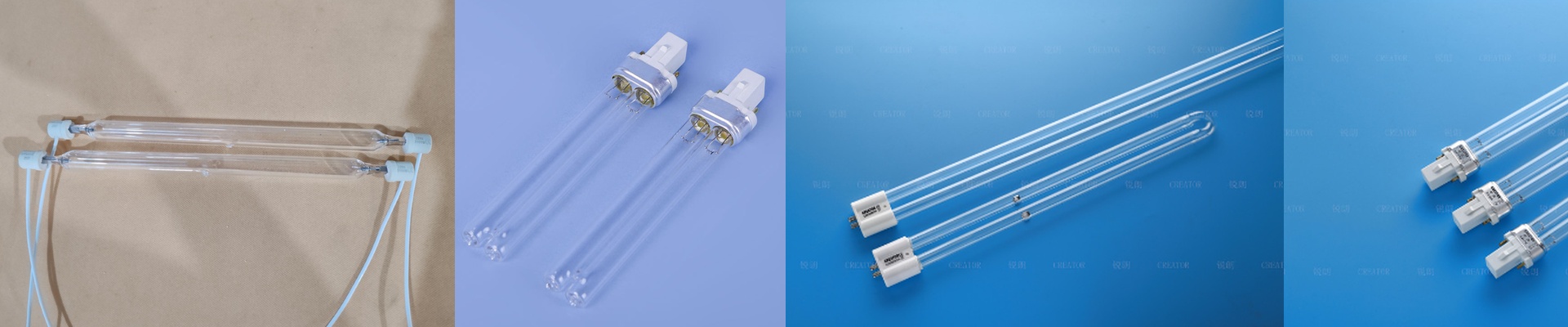
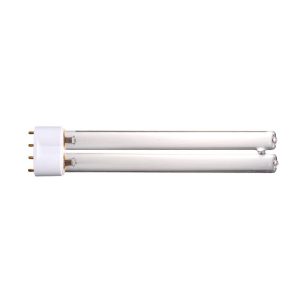
We stick with high-purity fused quartz. Regular glass just blocks UVC, making the lamp useless. Fused quartz lets the radiation fly right through. We also obsess over the end-caps. If an electrode isn’t seated perfectly, the lamp burns out way too early. We use precision-welded joints to stop gas leaks cold. This keeps the internal pressure steady, which is the only way to make a lamp last during those grueling, non-stop duty cycles.
The Balancing Act
It’s tempting to just crank up the intensity for faster curing or quicker sterilization. But there is a catch. Pushing more power through a short tube puts a massive thermal load on your reflectors. We spend a lot of time balancing the wattage against the tube length. The goal is to give you the irradiance you need without melting your equipment. Plus, we make sure these are drop-in replacements. You can swap them into your existing setup without having to rip out and redesign your entire power supply. Simple.