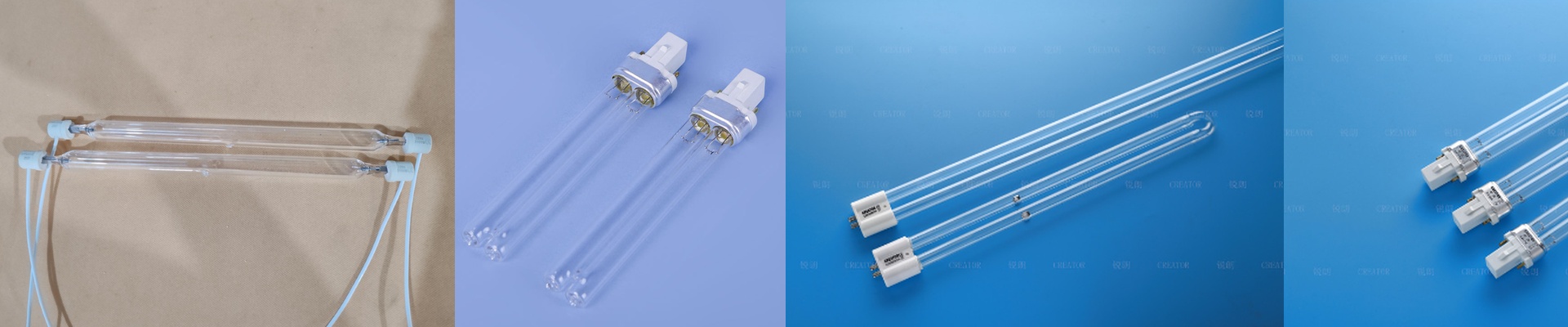
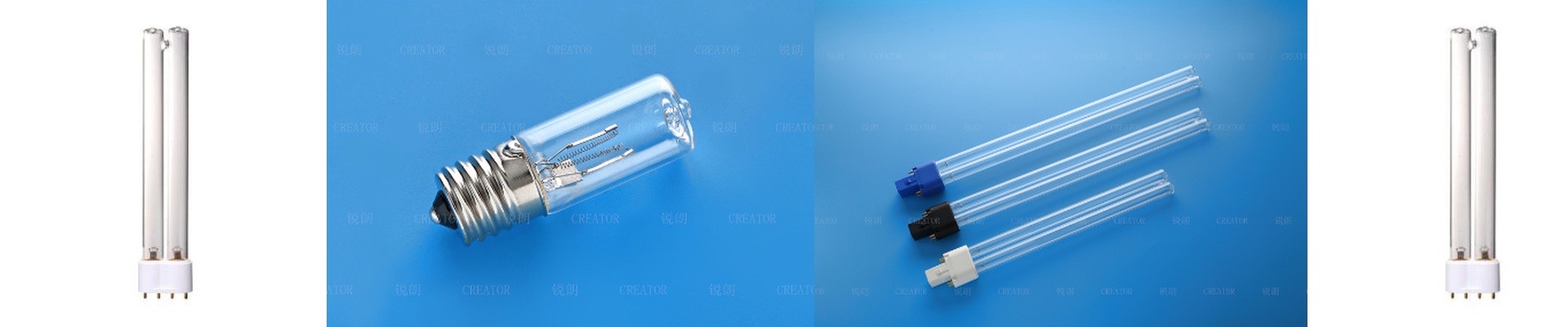
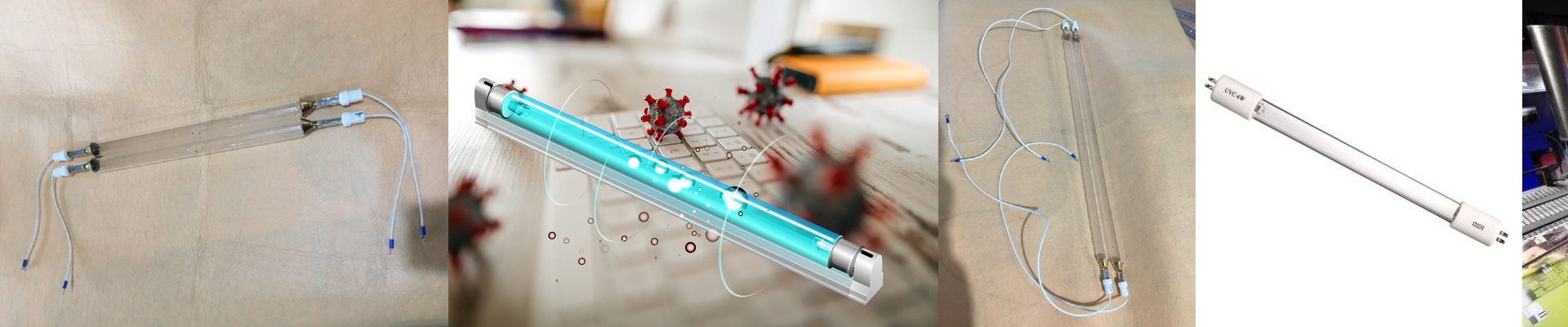
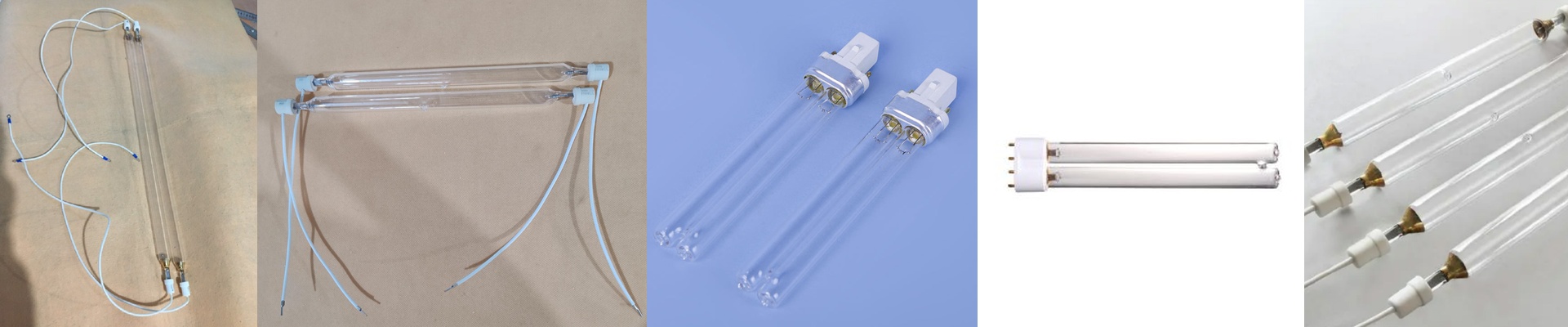
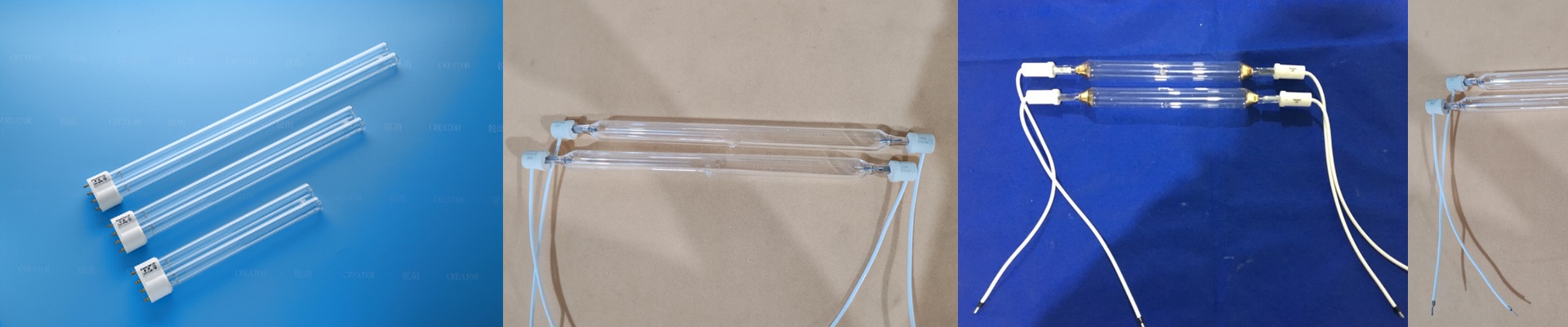
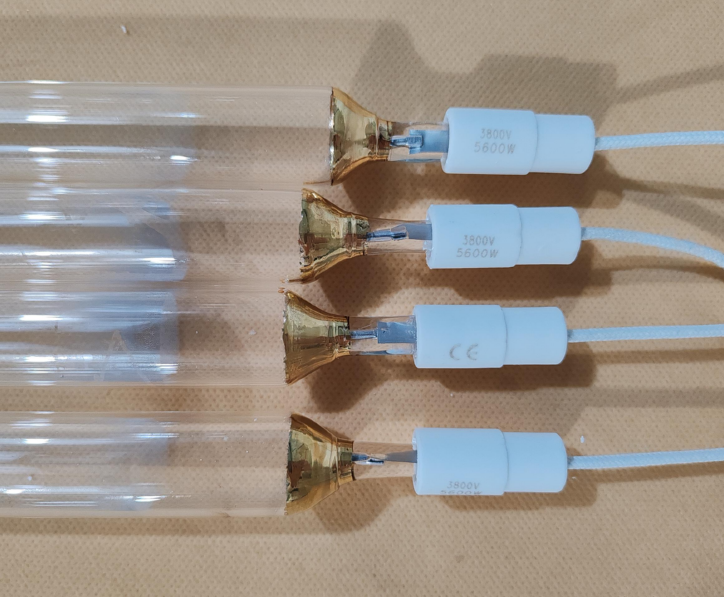
On the floor, “probably sterilized” doesn’t cut it. A UVC lamp can look bright and still miss the mark, leaving bioburden behind and putting your product at risk. If you want a claim you can stand behind, you have to measure the delivered dose—live, in real time. UVC sterilization is photochemistry, not a light show.
What actually matters, technically
UVC sterilization comes down to 254 nm photons breaking microbial DNA/RNA bonds. The effective dose is irradiance (mW/cm²) multiplied by exposure time, usually reported as mJ/cm². A high-power UVC curing lamp has to deliver stable output at the target plane, not just high electrical input. We specify peak irradiance at defined distances, spectral purity at 254 nm, and arc stability across line voltage swings and lamp temperature changes. Reflector geometry and dichroic coatings shape the beam and cut wasted IR. Integrated sensors keep intensity under continuous watch. Output drifts as the lamp ages—without measurement, you’re flying blind on compensation.
Why this works on the line
Whether you’re running air, surface, or water treatment, dose is the only guarantee. With real-time UVC irradiance monitoring, you set a lower control limit tied to your kill requirement, then log every cycle. Underdosing gets caught immediately. Overdosing is avoided, so you save energy and reduce stress on components. You end up with consistent lethality, documented compliance, and throughput you can count on.
The things you need to keep straight
High-power UVC systems demand proper thermal management and solid interlocks. Lamp output shifts with reflector cleanliness and alignment, so schedule routine calibration checks with a traceable radiometer. Make sure the housing material is UVC-stable, and verify that sensor placement matches the critical exposure zone. Output drops over life—replace lamps based on measured dose, not a calendar.