How we actually built a mercury UV lamp that lasts
For 15 years, we played the middleman. We did the white-label thing, selling other people’s bulbs. But we wanted something better. We wanted the kind of stability you only get from the big-name international brands, but without that “premium” price tag that eats your budget. So, we stopped buying and started building.
The nitty-gritty of the physics
Here’s the thing about mercury UV lamps: they’re picky. To keep the arc stable, you need the gas mix and the electrodes to be exactly right. We use high-purity synthetic quartz for the glass. Why? Because it lets that 253.7nm wavelength slide right through. If the quartz is even a little bit “dirty,” you lose your UV-C power and end up with a bunch of wasted heat. It’s a subtle difference in the lab, but a huge difference in the real world.
Dealing with the heat
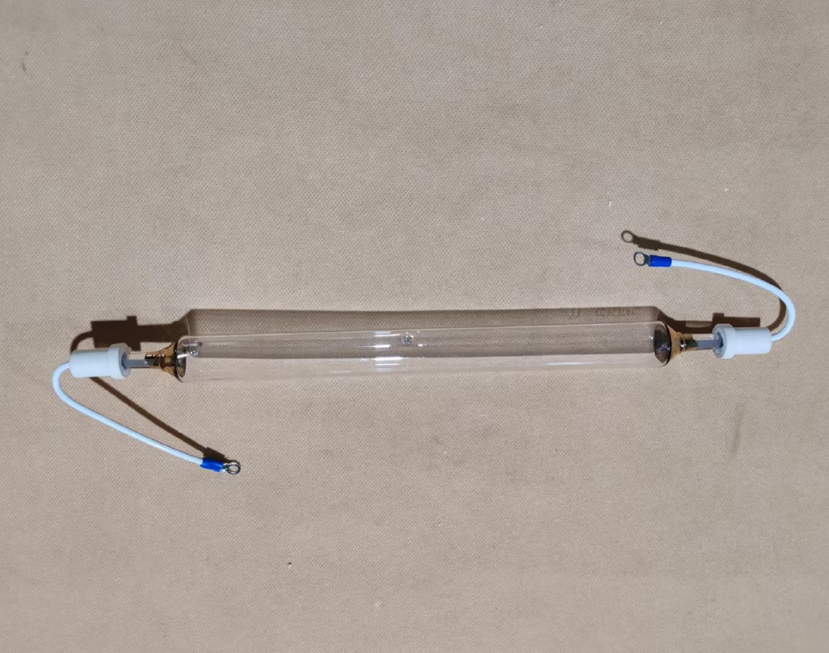
High-wattage bulbs get hot. Really hot. That heat usually leads to “blackening” at the ends of the tube—which is basically the electrode sputtering away. Once those ends go dark, your UV dosage tank. We spent a lot of time tuning the mercury vapor pressure and toughening the electrodes to stop that from happening. Now, the lamps hit full power almost the second you flip the switch. But a quick heads-up:watch your ballast. If you run these lamps over-voltage, you’re basically cooking the electrodes. To keep them from burning out early, make sure your ballast output is a strict 1:1 match with the lamp’s rated voltage. Simple, but it saves you a lot of money in replacements.
Putting them to work
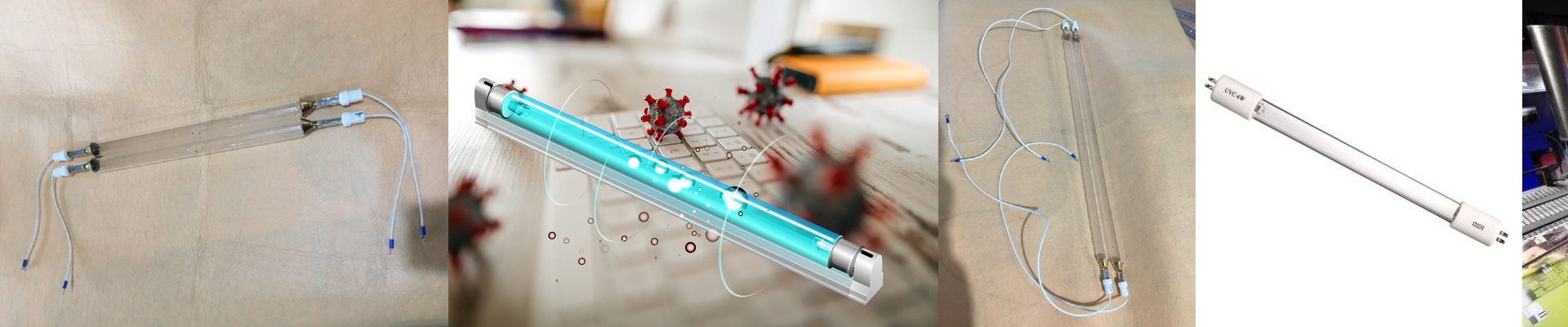
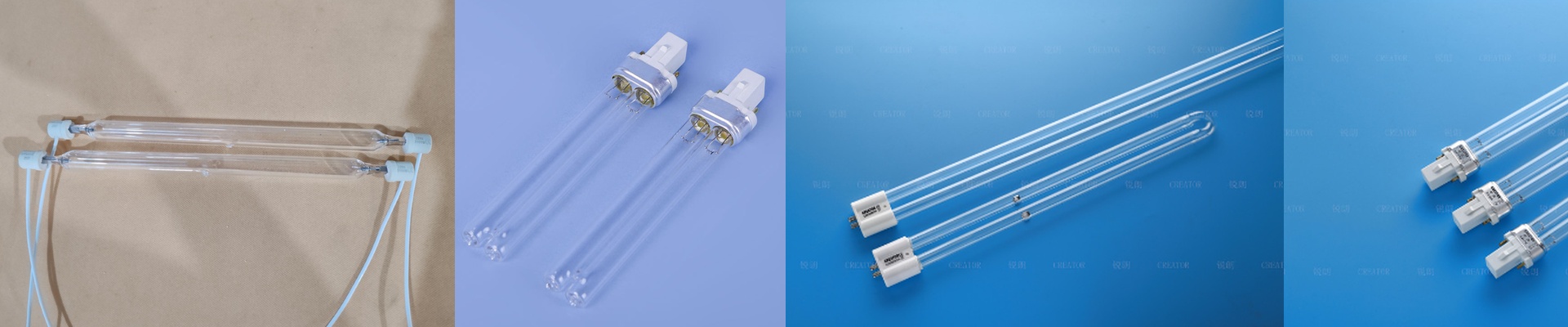
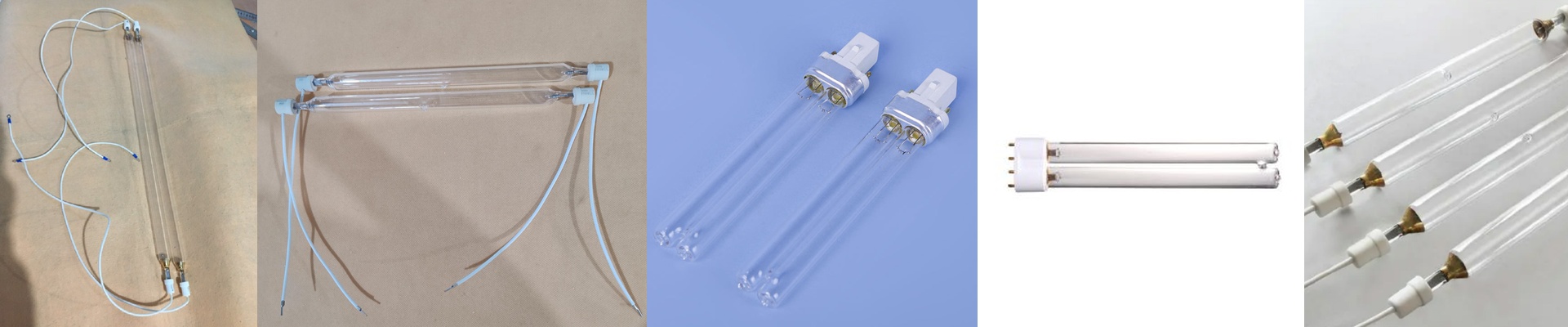
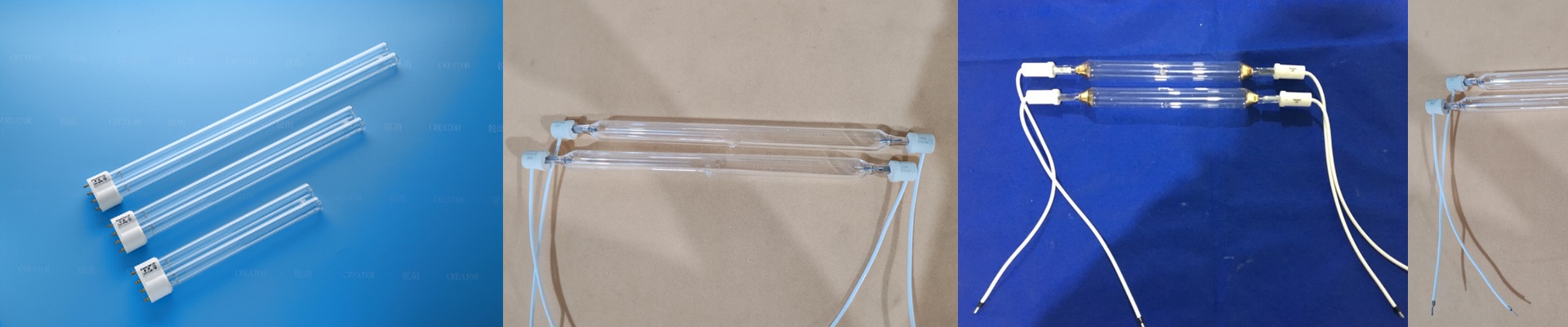
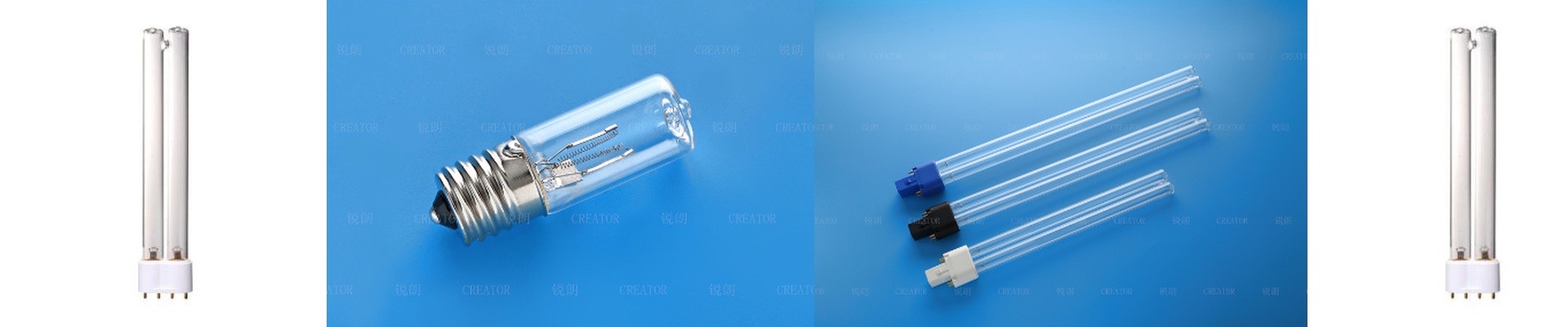
We designed these to be drop-in replacements. Whether you’re doing water treatment, air sterilization, or running a curing line, the pins and the footprint just fit. No need to rip out your wiring or spend a weekend redesigning your fixtures. One thing to keep in mind: these aren’t LEDs. They need a moment to warm up. If your process involves clicking them on and off every few minutes, you’ll feel that lag. You might want a dedicated controller to keep them striking constantly. It’s a small trade-off for the kind of raw, heavy-hitting power these bulbs put out.