Making UV Curing Actually Work at Scale
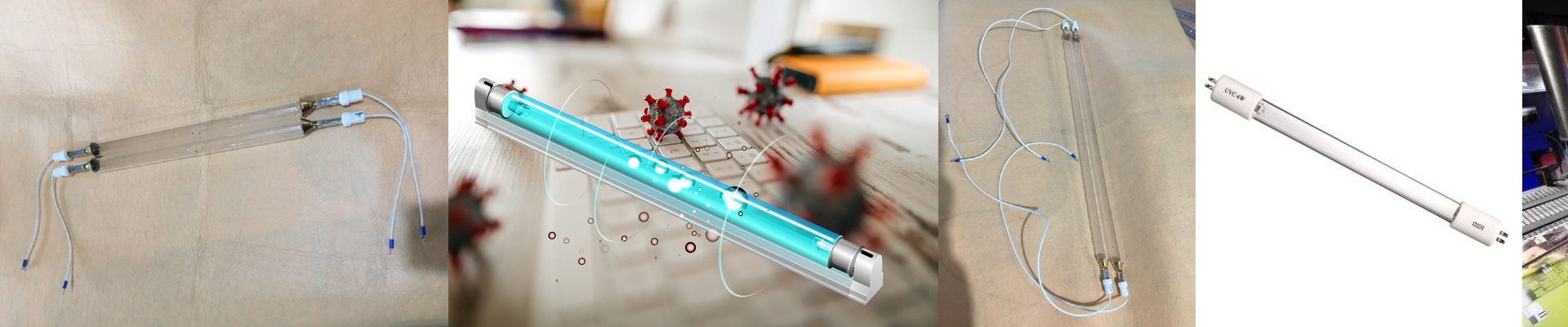
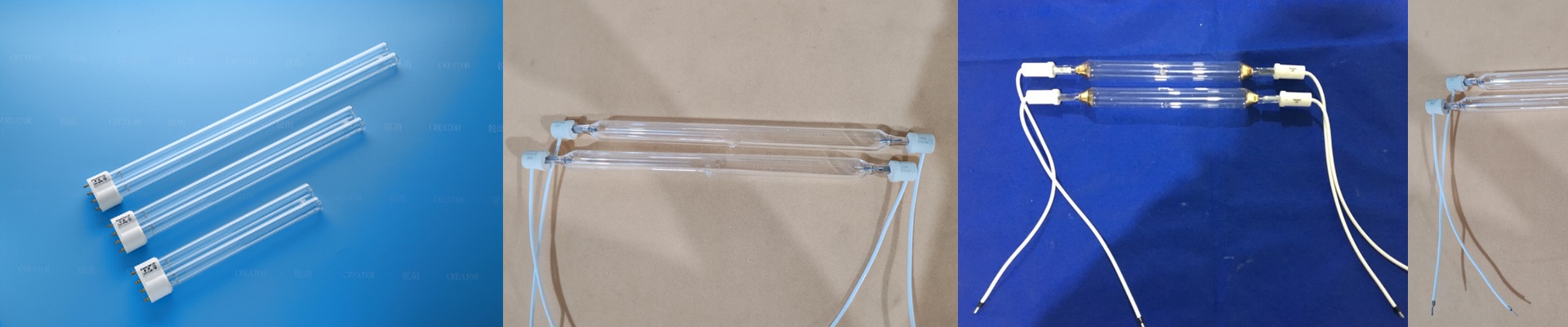
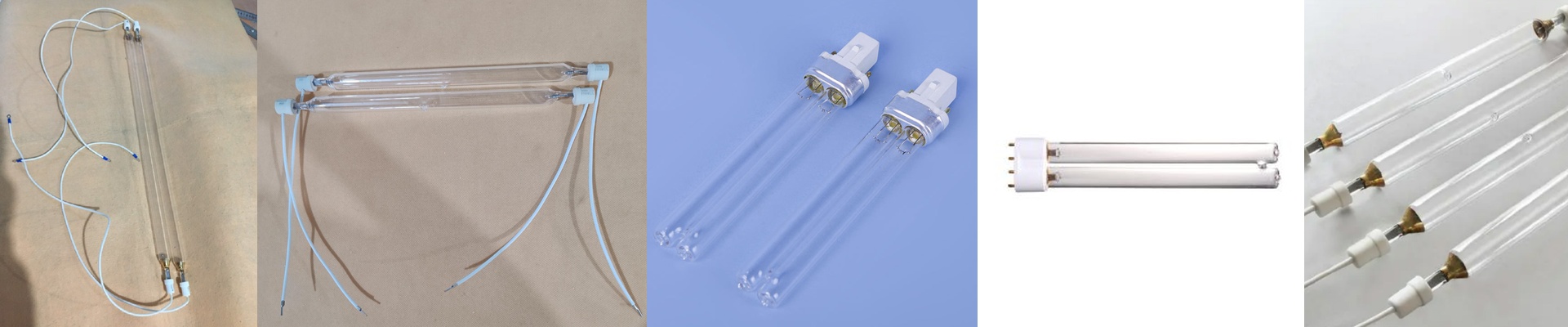
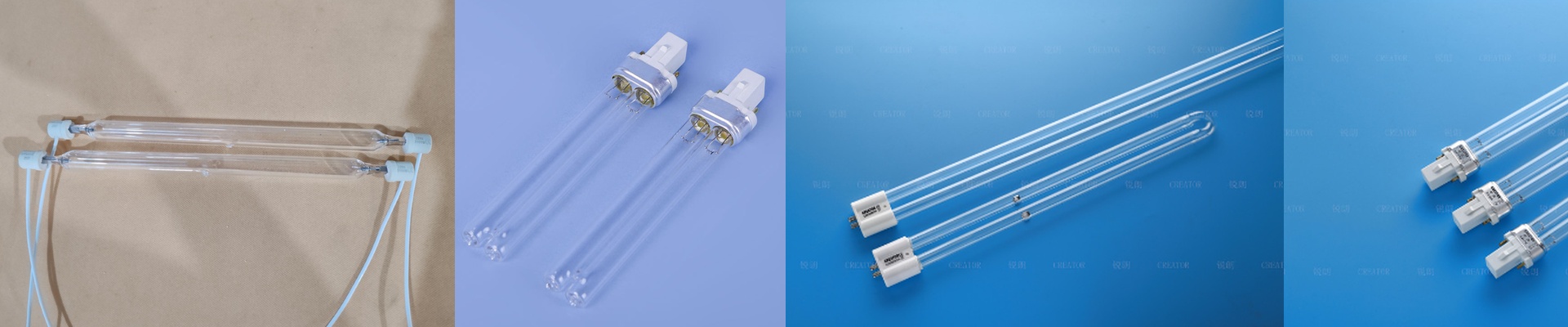
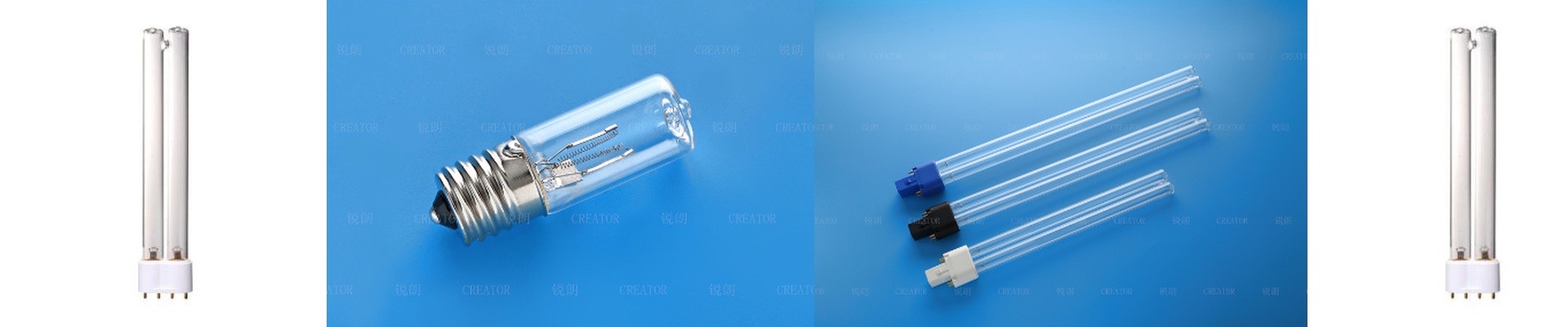
Let’s be honest: standard mercury UV bulbs are the unsung heroes of the factory floor. They aren’t just “lamps” you plug into a socket. Think of them more like precision tools for delivering energy. In a modern setup, these bulbs do the heavy lifting, triggering that chemical reaction to dry your coatings in a matter of seconds.
The reality of mercury discharge
We use mercury vapor because it gives you a broad spectrum of light—mostly peaking at 254nm and 365nm. Why does that matter? Because it means you can dry the surface and the deeper pigment layers all in one go. But there’s a catch. You have to balance your wattage and voltage. If you try to crank up the voltage just to speed up your line, you’re going to fry your electrodes. It’s a simple trade-off: you can go faster, or you can spend less time replacing bulbs. You can’t have both.
Keeping things cool
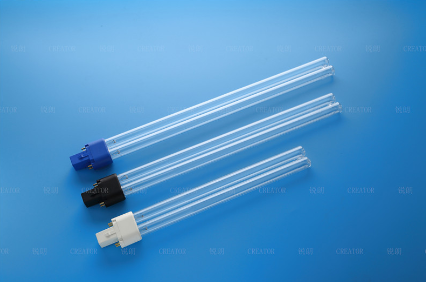
The bulbs are wrapped in high-purity quartz. We use quartz because it lets the UV rays pass through without blocking them. We also make sure they drop right into your existing reflectors so the light actually hits your product, instead of wasting energy by heating up the machine frame. Speaking of heat—watch your cooling. High-wattage bulbs get incredibly hot. If your exhaust fans can’t keep up with that heat, the quartz will stress out and the bulb will pop way sooner than it should.
Getting it onto the line
We keep the footprint small so they fit into tight spaces. They work easily with PLC systems, meaning the power adjusts automatically as your conveyor speeds up or slows down. That way, your product gets exactly the dose it needs—no more, no less. One quick tip: make sure your ballasts match the bulb’s impedance. If they don’t, you’ll deal with annoying flickering or, worse, the tube will just die immediately. Once you get that stability dialed in, you can finally stop worrying about manual batches and just let the line flow.