Getting Your UV Curing Right (Without the Headache)
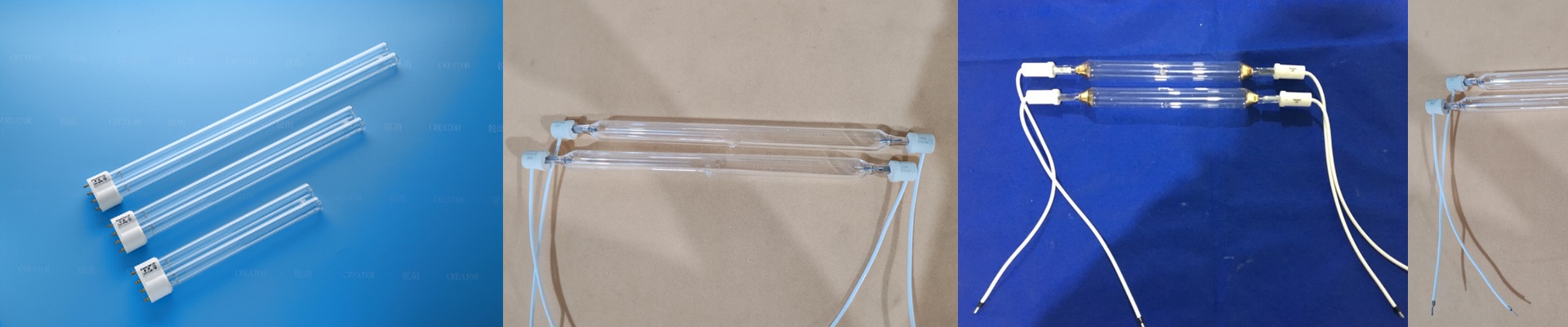
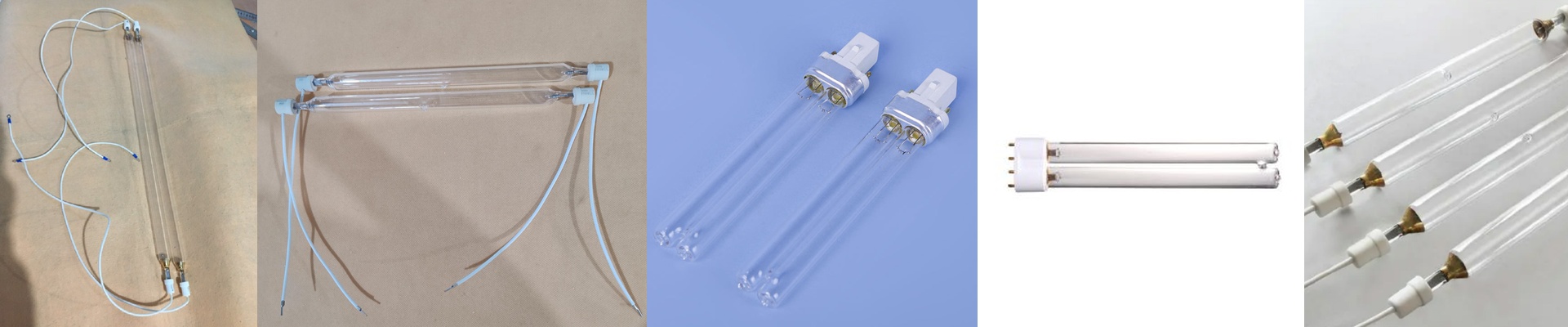
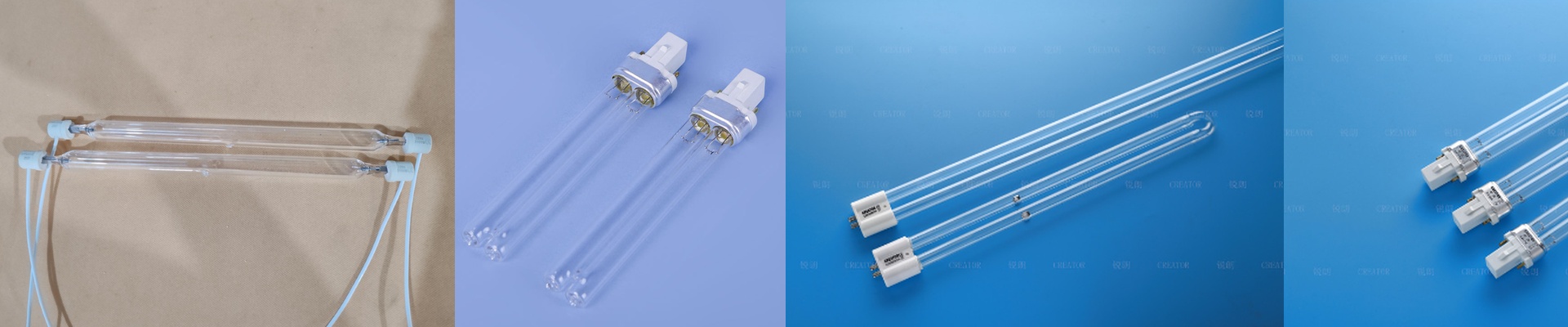
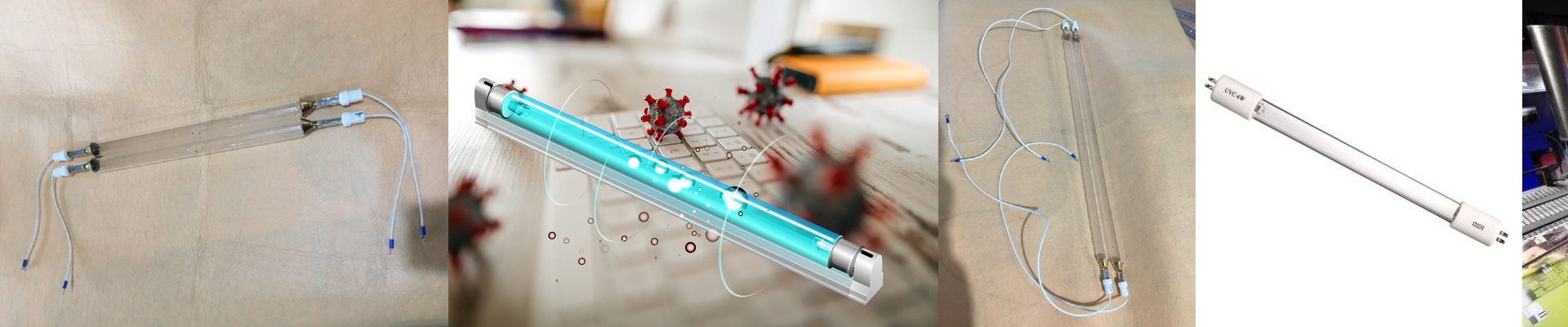
Look, if you’re running a high-speed print line, you already know the deal: your throughput is only as fast as your cure rate. If the ink isn’t drying instantly, everything grinds to a halt. That’s where our modular UV systems come in. We basically build the muscle that turns liquid resin into a solid film the second it hits the light.
The Trick to Getting the Light Right
Here is the thing about UV light: it isn’t one-size-fits-all. Depending on how fast your conveyor is moving, you might need more wattage or a longer lamp. Because our systems are modular, you can just scale them up or down. You can group lamps together to hit specific spots on your material. This is huge because it stops those annoying edges from over-curing while making sure the center actually gets enough energy to set. And a quick heads-up—your lamp has to “talk” to your ink. If the wavelength doesn’t match the photoinitiator in your ink, you’re going to end up with a tacky, sticky mess. We make sure the light is consistent across the entire width of the print head so you don’t get any weird dead zones.
Heat, Hardware, and the Nitty-Gritty
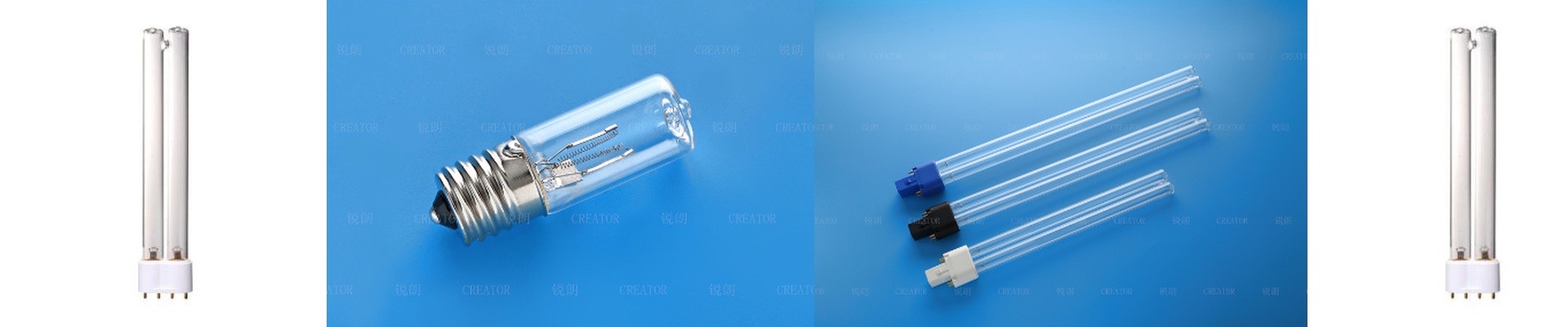
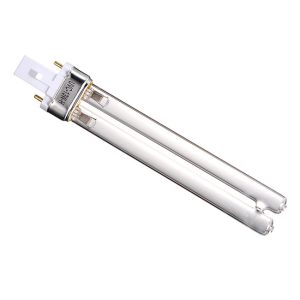
UV lamps get hot. Like, really hot. To handle that, we use quartz envelopes. They let the UV light through but can take a beating from the constant heating and cooling. We also use reinforced seals because the last thing you want is a gas leak in the middle of a shift. Then there’s the wiring. We use heavy-duty industrial connectors because voltage drops are a nightmare for consistency. But remember, all that power creates a lot of heat. You’ve got to make sure your cooling fans or water-jackets are up to the task. If the cooling fails, you’re looking at warped substrates or blistered ink. Not a good look.
Making Your Life Easier
We didn’t want these to be a pain to install. We built them to be drop-in replacements for the old gear you’re probably already using. If a module burns out, you just swap it. You don’t have to tear down your entire production line or spend half a day tinkering with it. You just get back to work. At the end of the day, we’re just focusing on the raw output: getting enough light onto that ink so it cures deep, fast, and stays put.