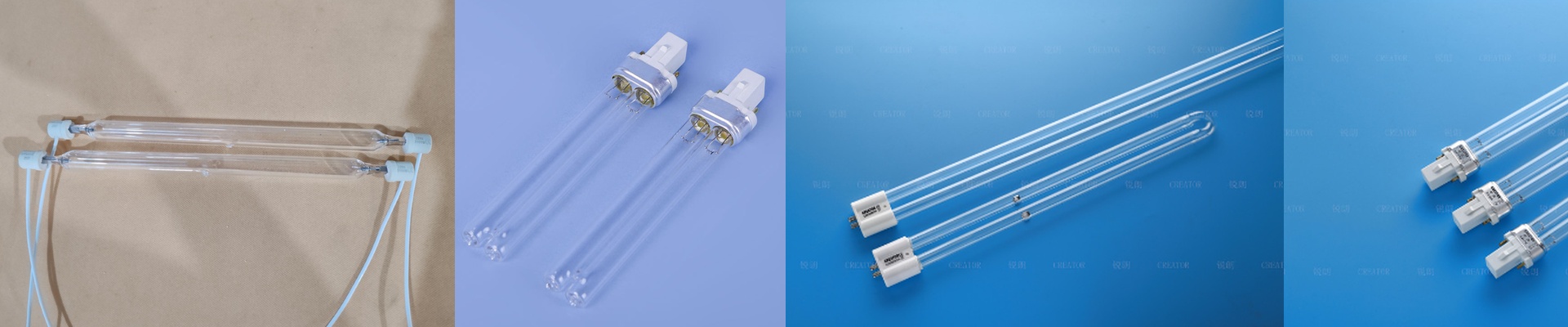
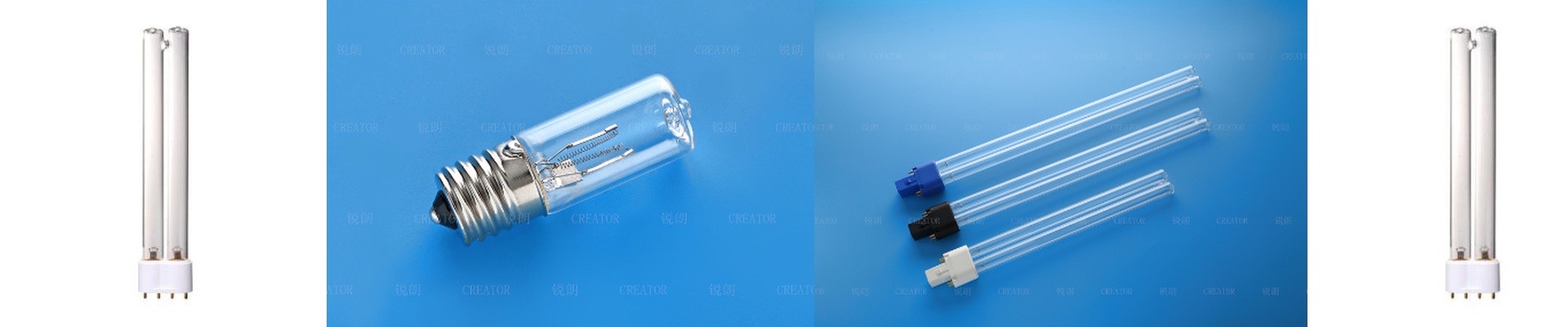
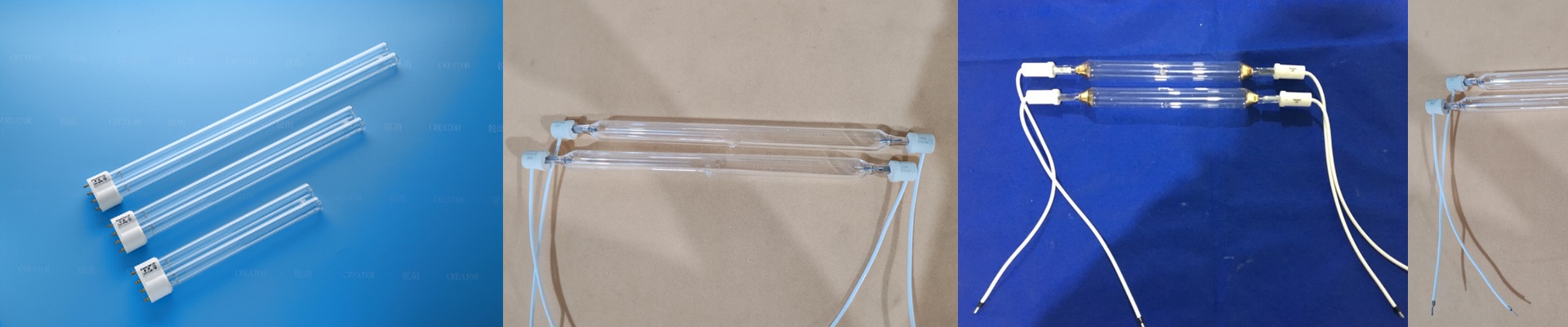
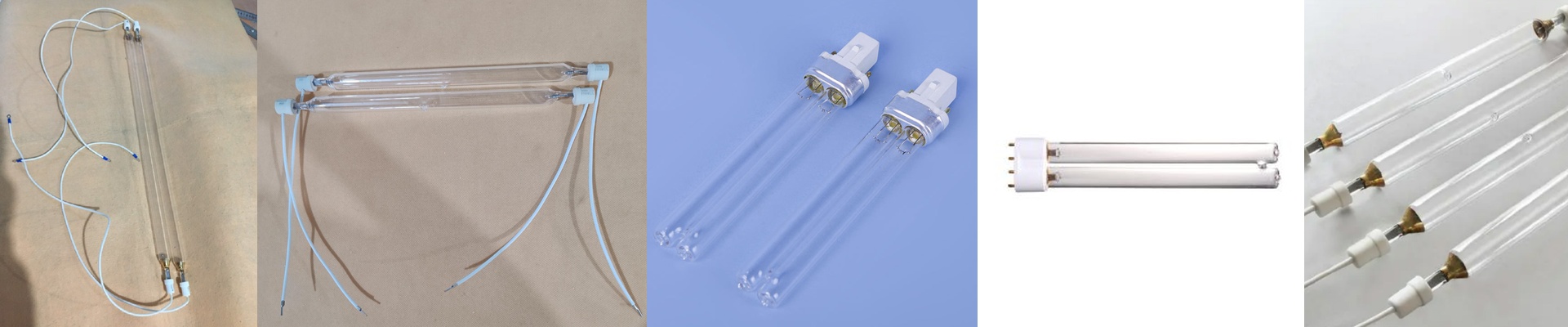
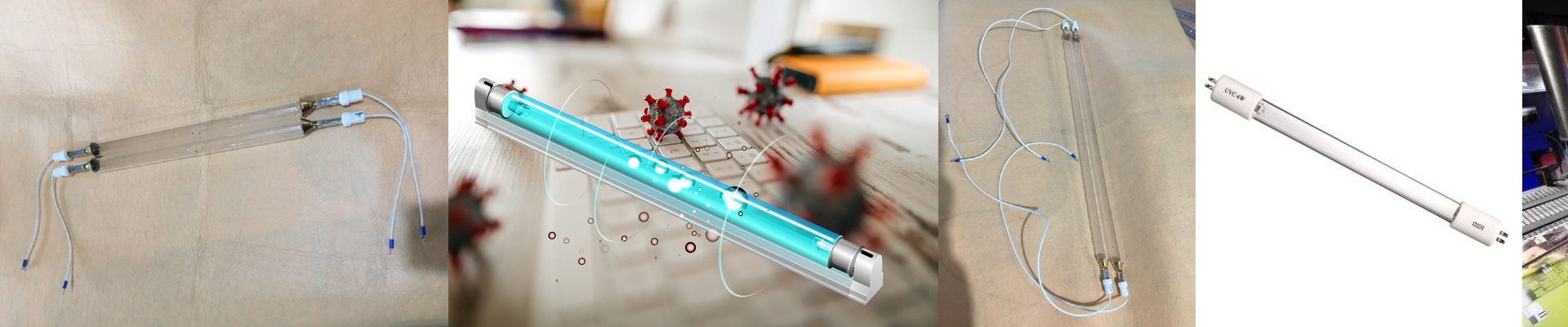
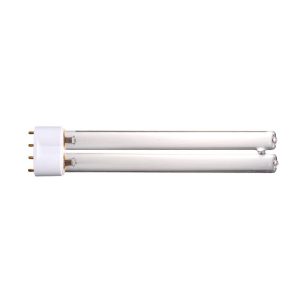
On the floor, you know right away when your UV power and spectrum are out of step. The ink stays tacky. Adhesion falls apart. And those heat-sensitive substrates start to warp because the irradiance is too heavy. Matching a Gallium Iodide UV curing system to your press and your ink isn’t guesswork. It’s straight-up spectral engineering, applied in real conditions. Here’s the core: it comes down to wavelength and energy density. Gallium iodide lamps put most of their output in the 385–405 nm band, with a tight spike near 417 nm. That profile is tuned for the photoinitiators in pigmented inks and thick-film laydowns. You get deeper photon penetration, so cross-linking completes through the full ink layer instead of just skin-curing the top. Pair that lamp with a reflector setup built for high peak irradiance, and you hit instant gelation, then a full cure in one pass. The upshot is solid adhesion, low VOC, and a process window that can hold up on high-speed offset, flexo, and screen lines. And here is how we make it fit. We line up lamp power (W/cm²) and spectral output to your press speed, cure distance, and ink film thickness. A 300 W/cm system can be enough for thin flexo layers running around 150 m/min. Push to thick screen deposits and dense pigments, and you’re often looking at a 600 W/cm unit. Gallium iodide chemistry also runs cooler than mercury vapor at comparable output, which cuts down on substrate heating. That’s why it handles thin films and heat-sensitive media without drama. Now, the details that matter. Double-check your reflector geometry and dichroic coating—spectral purity and reflectance efficiency directly set the dose you actually deliver. **Lamp-to-substrate spacing has to be tight.**Keep it within ±2 mm if you want repeatable mJ/cm². Ozone-free operation is standard, but you still need proper exhaust routing and clean airflow. That keeps the quartz and reflectors clear of ink mist and keeps the system performing consistently.