Getting Your Ink to Cure Faster: The Truth About Our Custom UV Modules
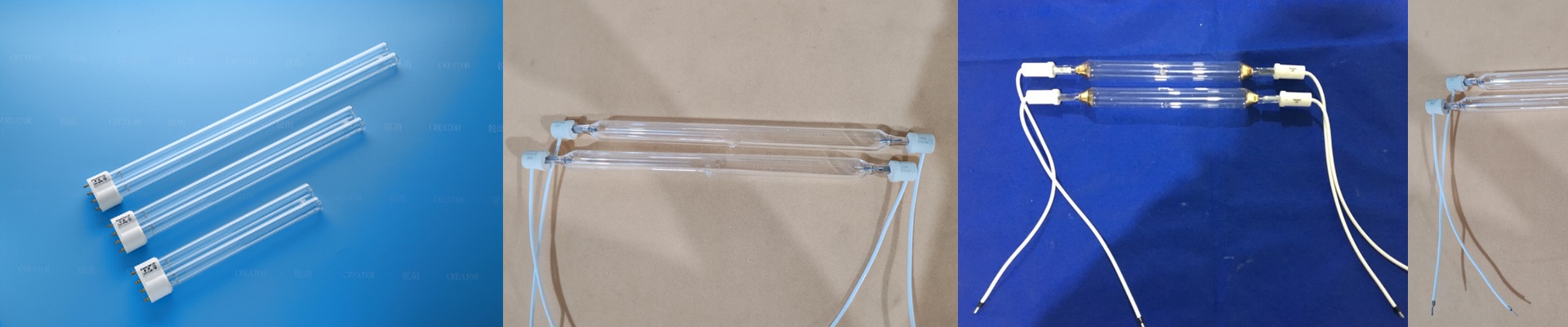
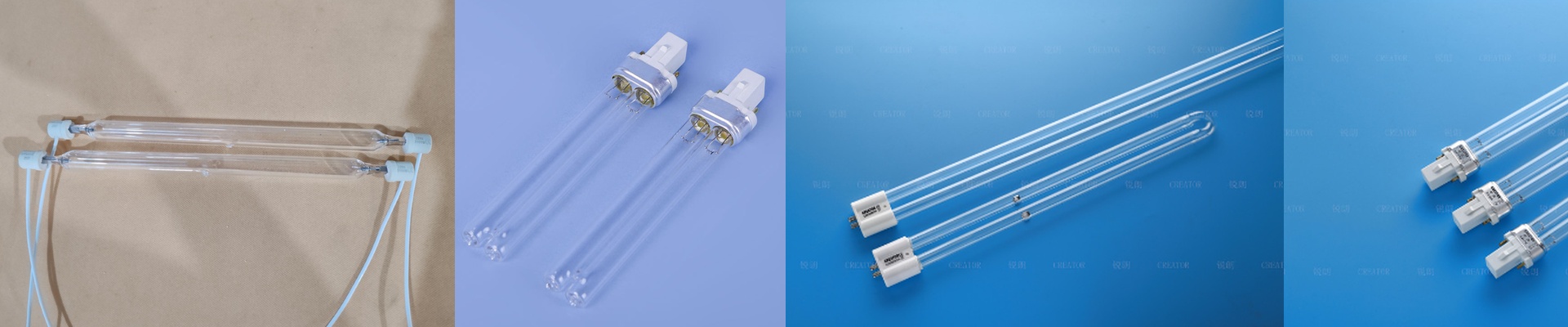
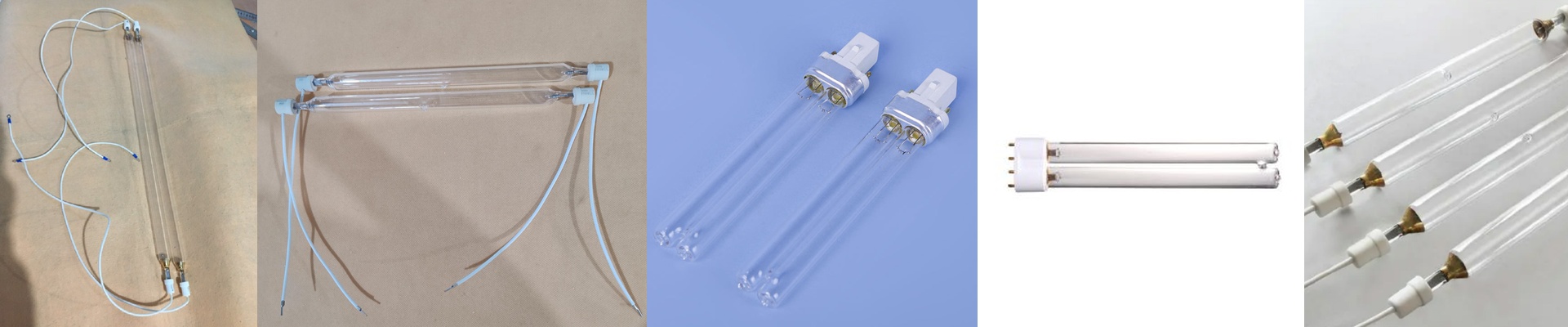
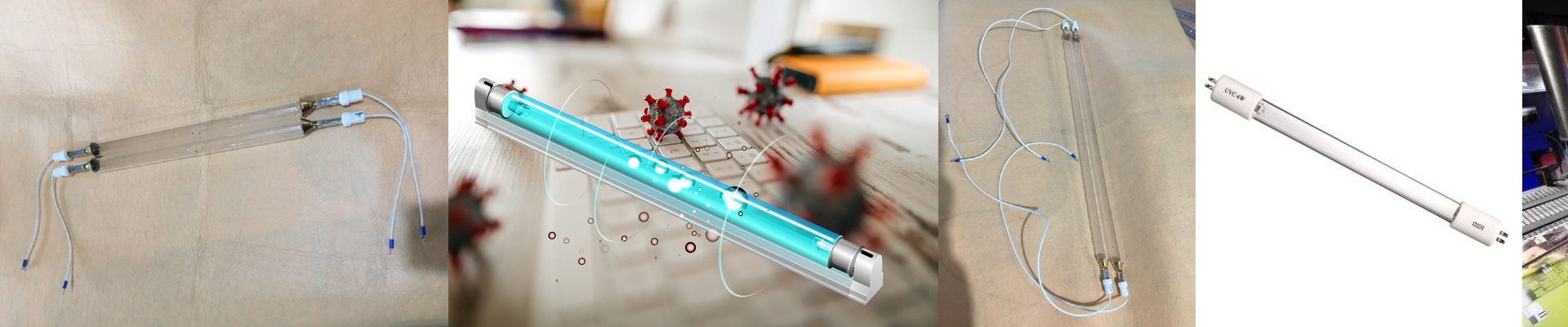
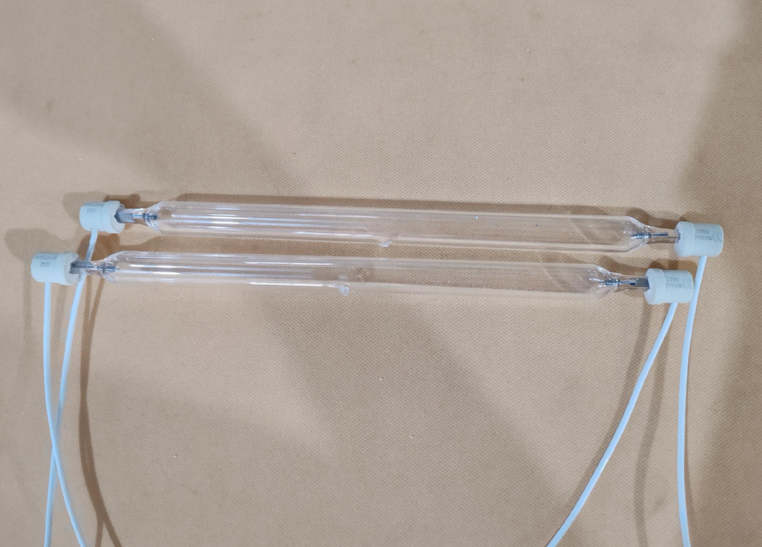
We spent some time at the 2026 Printing Expo showing off our custom mercury UV lamp modules. Now, let’s be clear: these aren’t those generic bulbs you can just grab from a catalog. We build these from the ground up to hit very specific power targets, mostly for people who need to cure ink at high speeds without everything turning into a sticky mess. The science part (kept simple) Here’s how it works. We use high-pressure mercury vapor to get those UVC and UVB wavelengths that actually wake up the photoinitiators in your ink. By tweaking the tube diameter and the gas pressure, we can control exactly where the energy hits. The result? A concentrated punch of energy that digs deep into thick ink layers. If you’ve ever cranked up your line speed only to find the surface is still tacky, you know the pain. Our modules fix that by packing more wattage into every inch. You can speed up the belt and still walk away with a full cure. Dealing with the heat Mercury lamps get hot. Like, really hot. If the tube surface gets too toasted, you’re looking at quartz deformation or a lamp that burns out way sooner than it should. To stop that, we nest the lamps in aluminum heat sinks and blast them with forced-air cooling. We don’t guess on the fans; we spec them based on the total wattage of your specific array. We also use high-temp silicone leads for the wiring. Why? Because melted insulation is a nightmare nobody wants. Plus, we offer a handful of connector options so these just slide right into your current setup. You won’t have to tear apart your power cabinet and start over. Making it work in your shop The best part about going custom is the fit. We match the lamp length to your conveyor width exactly. No dead zones. No “almost cured” spots. And that means you don’t have to run your product through the machine twice. But a heads-up: more power means more heat in the room. If you’re pushing 10kW or more per module, your exhaust system needs to be beefy enough to pull that heat out of the building. If the shop gets too hot, the lamps feel the stress and their lifespan drops. We’ll give you the exact heat load numbers so you can make sure your HVAC can actually handle it.