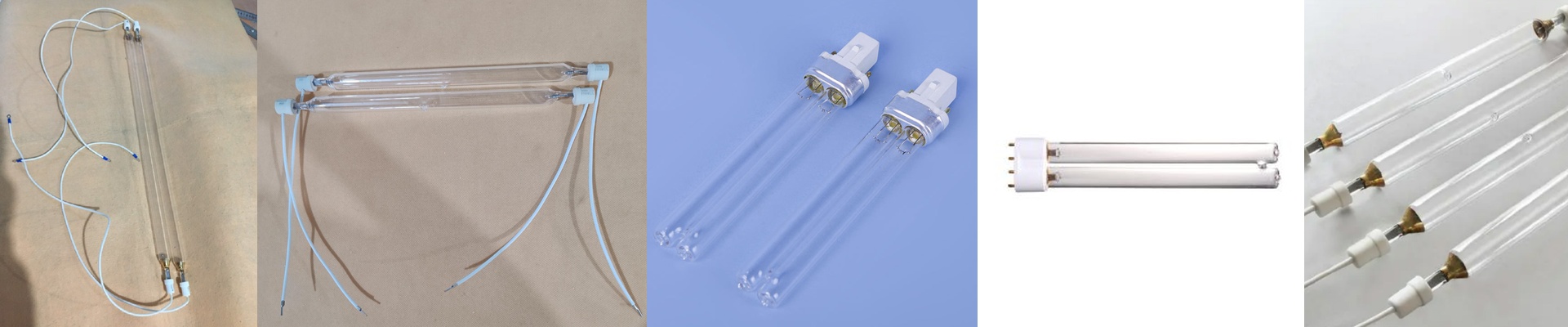
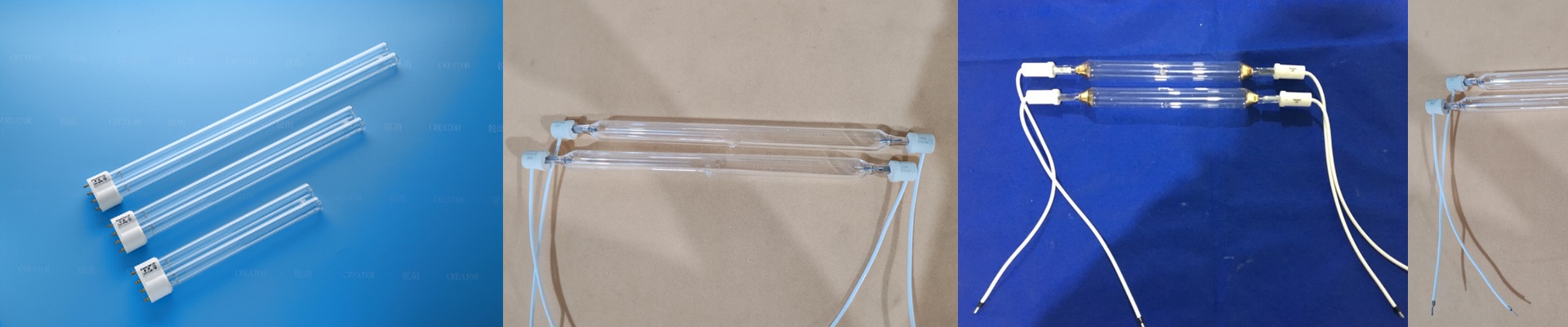
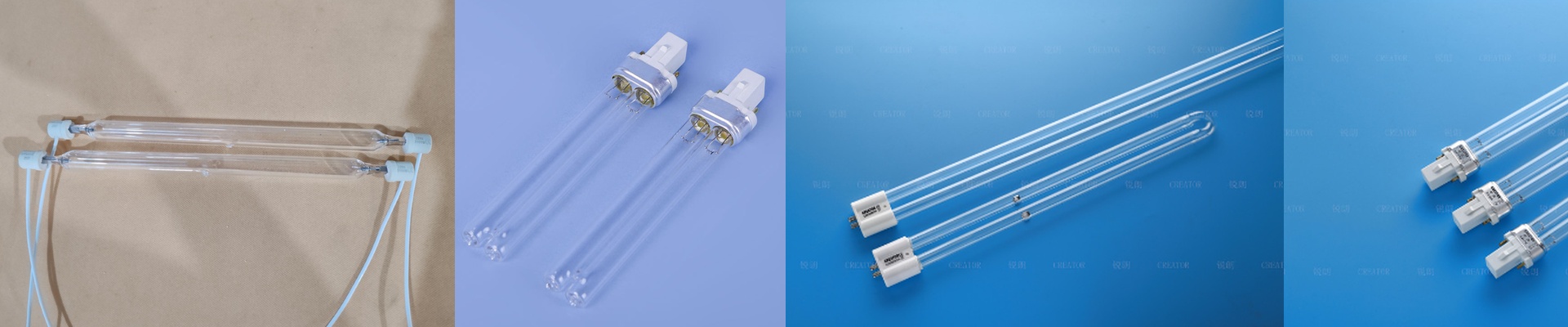
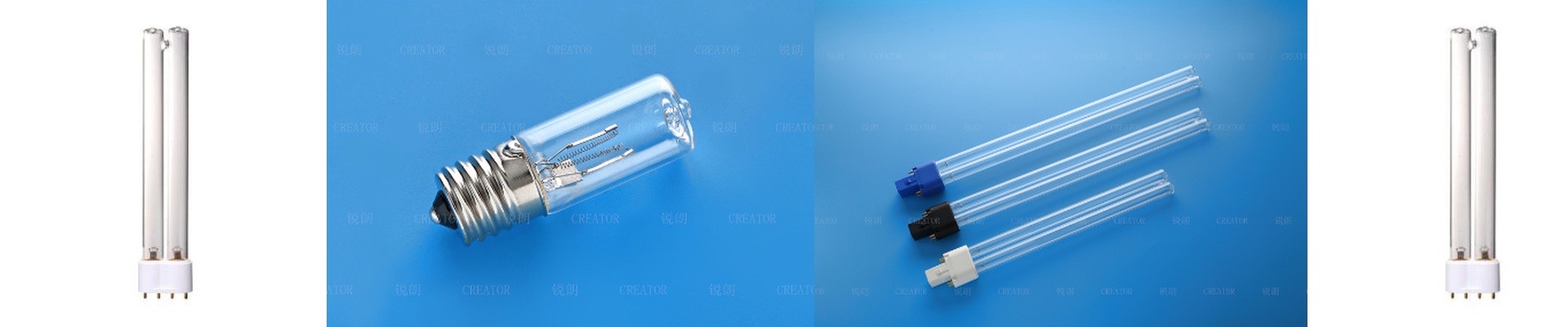
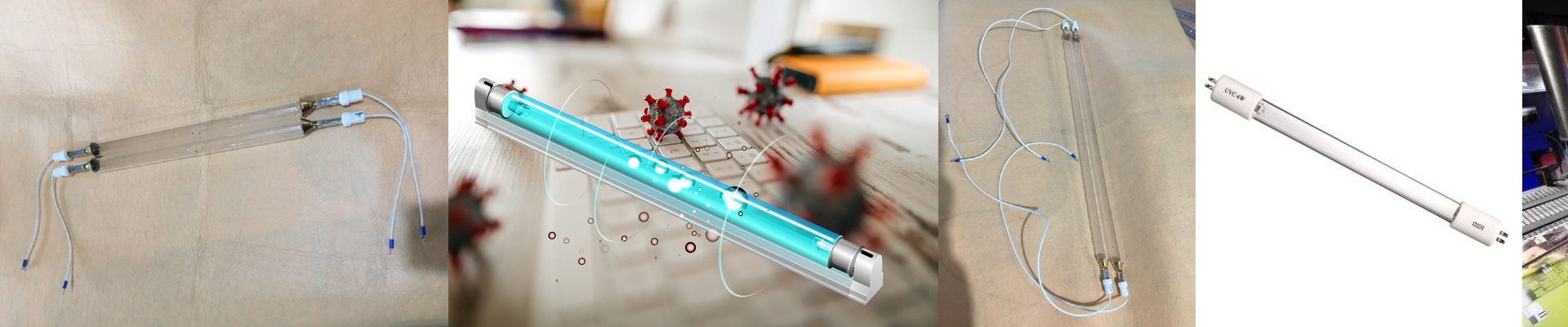
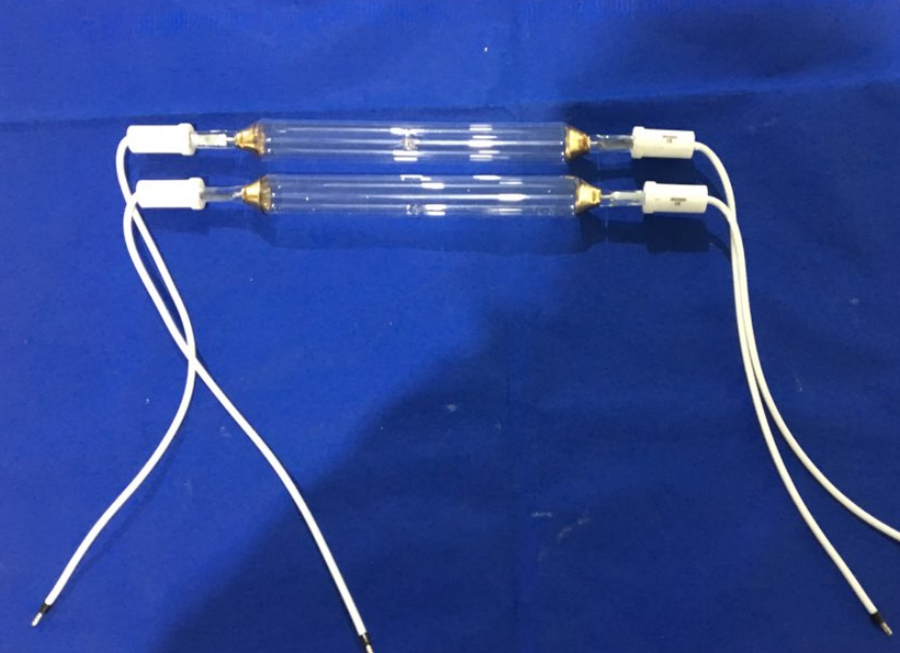
On the press floor, a mismatched UV spectrum doesn’t just kill a run. It leaves ink tacky, puts pinholes in overprints, and ties up the machine while you chase cure. We built the 395nm UV LED curing lamp to cut through that variability and put control back where it belongs—in the spectral curve and the energy density you actually deliver. What matters is output and stability. The lamp hits 395nm with a narrow FWHM, right where a lot of photoinitiators in UV offset, flexo, and screen inks are sensitive. Peak irradiance is tuned so you get enough photon flux at the substrate, and that’s what evens out the cure between the ink surface and the base layer. No skinning. No trapped solvents. The array is built for long life. We’ve got units that have run 5,000+ hours with less than 5% output drop. Reflector geometry and dichroic coatings are set to push the usable UV onto the web or sheet, not waste it. It’s ozone-free by design, and the system runs all day at high duty cycles without the emitters getting hot enough to throttle themselves. Here’s why it works in practice: the wavelength matches the chemistry to the process. 395nm penetrates far enough to drive cross-linking through typical ink films, and it stays friendly to heat-sensitive substrates. You end up with faster line speeds, lower energy draw than mercury vapor systems, and fewer lamp changes. The payoff is adhesion you can count on, better gloss control, and fewer micro-defects that show up under inspection. One thing to keep straight: LED curing is picky about distance and angle. Set the working gap per the vendor spec, then confirm with your radiometer—measured mJ/cm², not what your hand feels. Also make sure your press controller can handle LED driver integration and any required interlocks. When it’s aligned, the 395nm profile repeats run after run, which is exactly what you need when the schedule is tight and the tolerances are real.