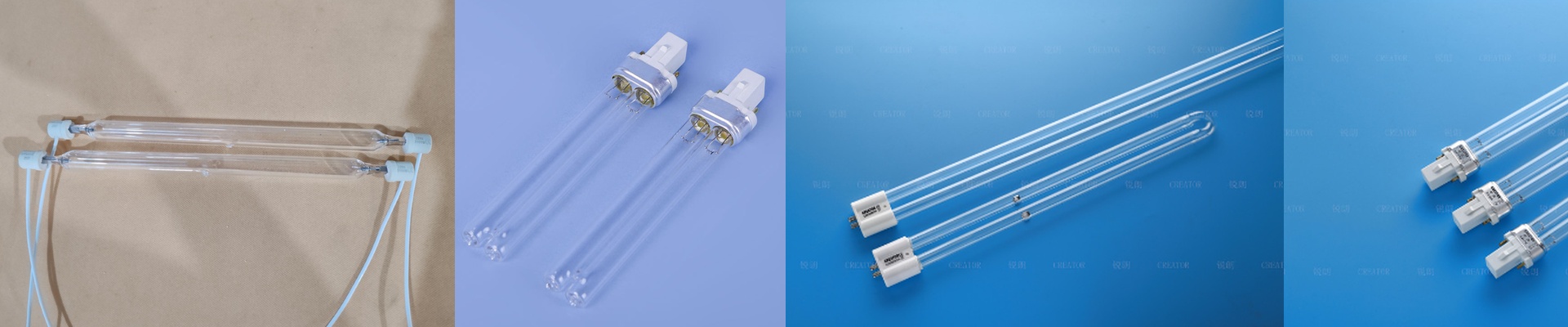
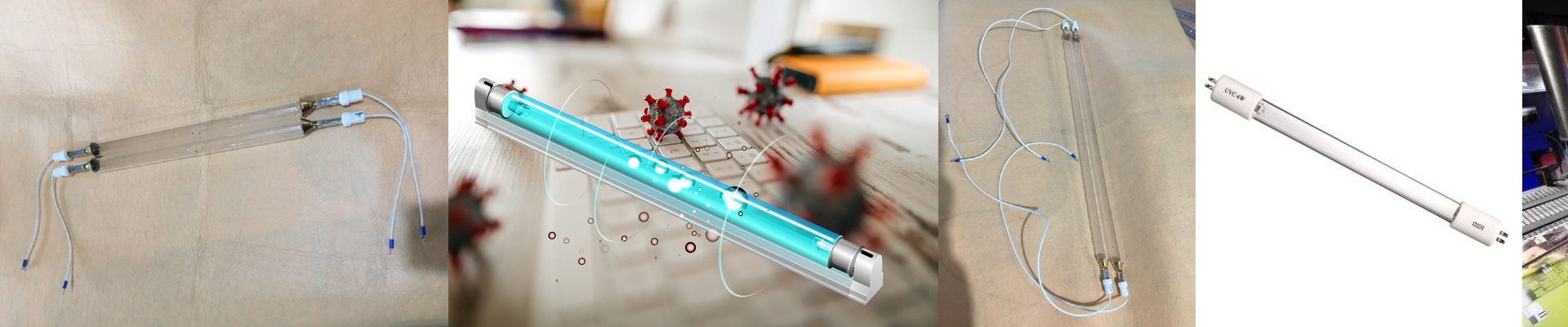
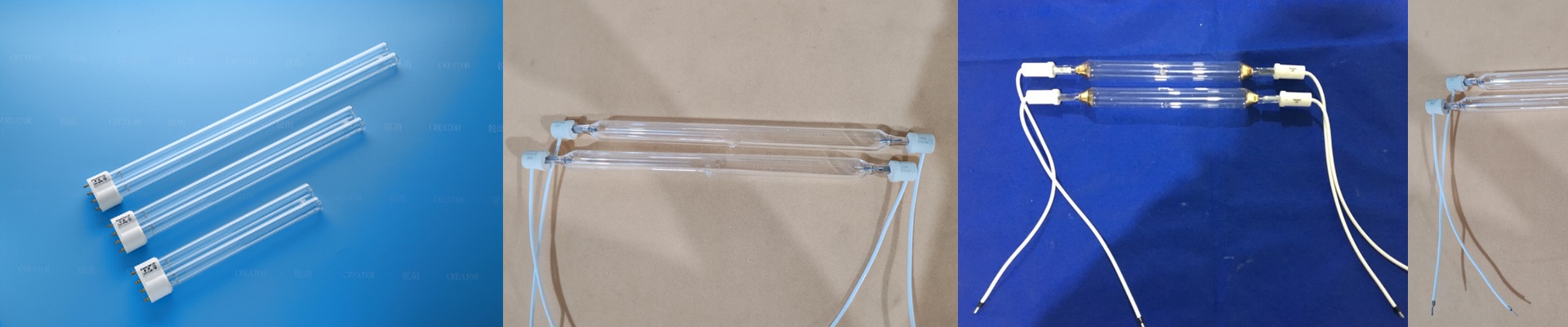
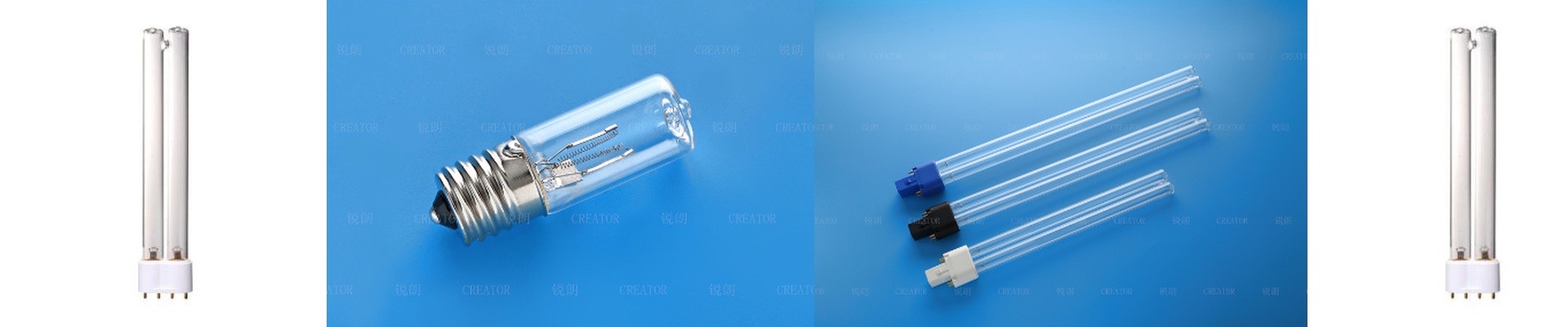
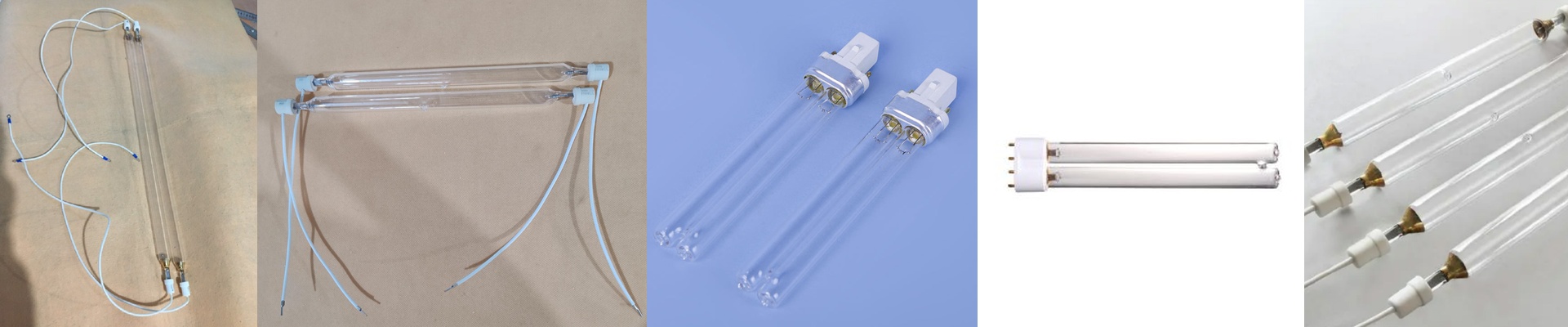
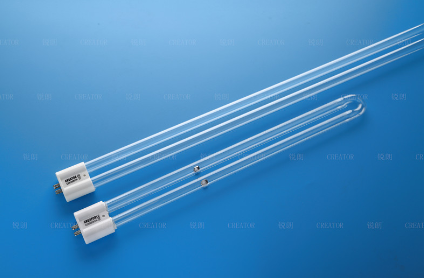
On heat-sensitive fabric lines, the old mercury lamps always force a choice: cure the ink, or keep the substrate from distorting. We built an industrial UV curing conveyor lamp so you don’t have to make that call. What matters under the hood We run a cold-source architecture with spectral control centered on 395 nm, hitting a peak irradiance of 12 W/cm² right at the substrate plane. A dichroic-coated reflector shapes the envelope and cuts IR to under 15% of total output, so surface temperature stays below 45 °C while still delivering 800–1200 mJ/cm² for full cross-linking. The lamp runs on 240 V with a stable arc, and the conveyor interface covers 200–800 mm/min with adjustable dwell. Ozone-free quartz and a dedicated exhaust duct keep the work area within safe limits. Here’s why this works in practice. Polyester, spandex blends, coated substrates—they all distort when too much IR hits them. With this cold-source profile, the fabric stays dimensionally stable while the photoinitiator in UV-curable inks finishes polymerization. You can expect a consistent cure at 600 mm/min with no scorching, even on thin knits. Energy draw is around 1.8 kW per lamp, and lamp life targets 5,000+ hours with less than 5% output decay, which means fewer spares and less downtime. A few shop-floor notes. Installation needs a dedicated exhaust path and a minimum 100 mm standoff to keep spectral uniformity where it should be. The 395 nm profile leans toward surface cure; if you’re running deep-cure inks, pair it with a short-arc lamp at 365 nm or set up a dual-zone configuration. Match the conveyor width to the print deck, and check substrate reflectance—dark fabrics absorb more energy and may need a slightly slower speed. We built this lamp for the realities of textile printing: low heat, high output, and results you can count on shift after shift.