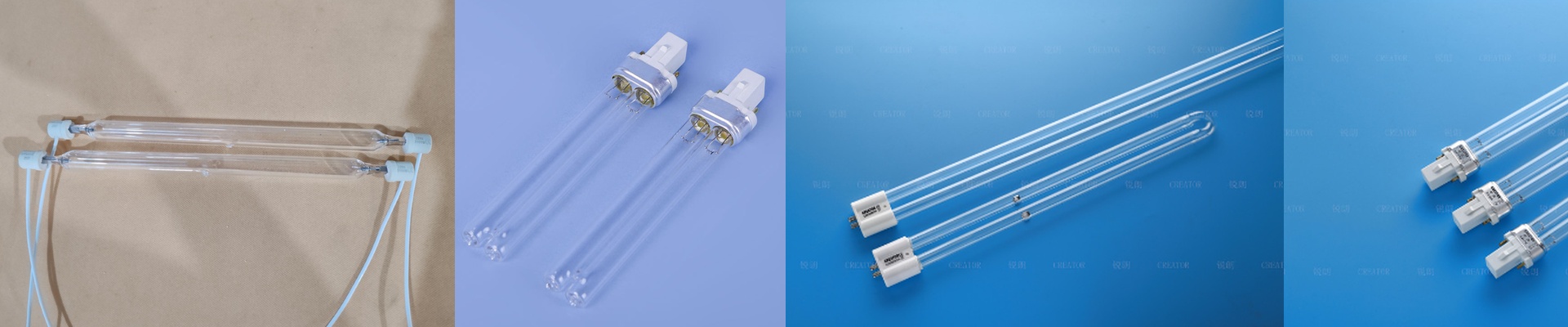
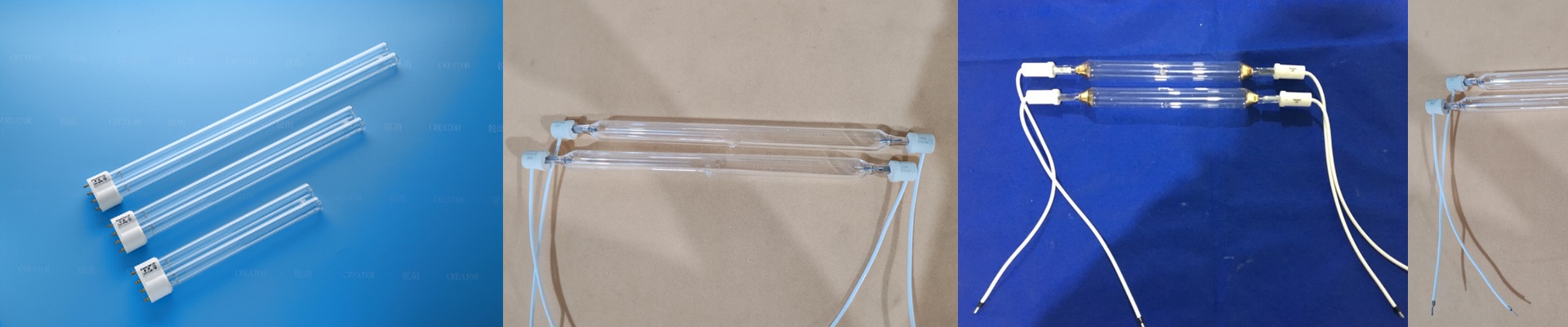
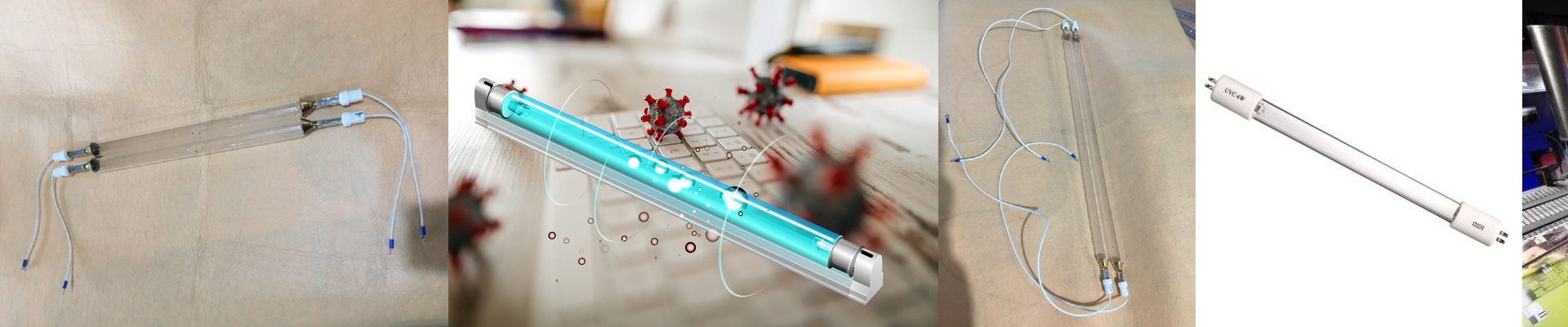
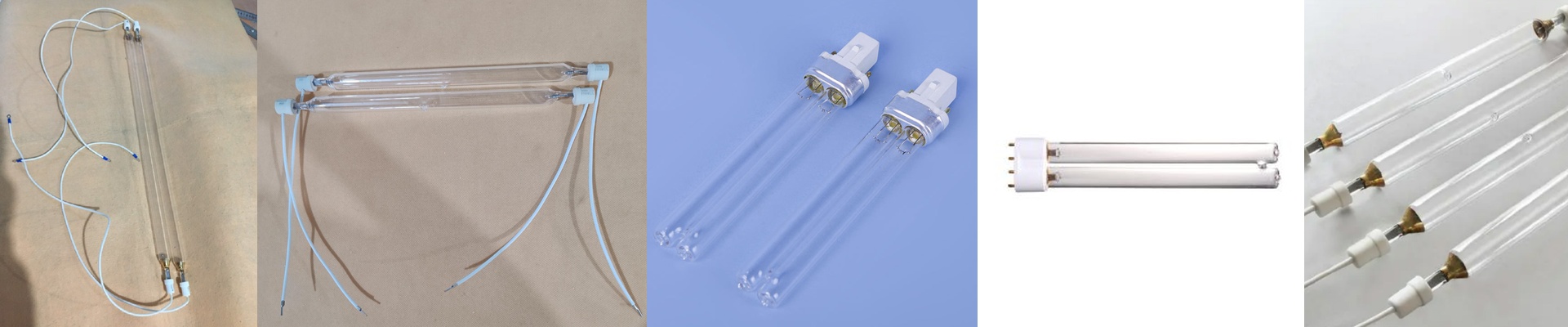
Getting the Most Out of Your 80W/cm Mercury UV Lamp
Mercury UV lamps are the real heavy lifters in industrial curing. When we talk about 80W/cm, we’re talking about linear power density. In plain English? That’s just how much raw energy is hitting your material for every centimeter of the lamp.
The Heat Struggle
At 80W/cm, these things put out a massive amount of UV radiation. We stick with mercury vapor because it covers a wide spectrum, meaning it hits the sweet spot for most photoinitiators. It’s powerful. It’s fast. And it gets the job done. But there’s a catch:heat. When you’re pushing this much wattage, that quartz envelope gets scorching hot, fast. If your cooling fans are weak or your chilled water jackets aren’t up to the task, you’re asking for trouble. You’ll see the quartz degrade or the lamp burn out way before its time. Plus, if you don’t balance your line speed with that heat, you might just warp your parts.
Making it Fit
We design these to be simple drop-in replacements for your existing tunnels. No headaches. One thing we obsess over is centering the mercury arc. Why? Because if it’s even slightly off, you get “dark spots” on your conveyor. There is nothing worse than pulling a batch of product off the line only to find uncured patches in the coating. You also need a steady power supply. If your voltage jumps around, the arc flickers and your electrodes wear out. I always suggest high-frequency electronic ballasts. They kill that annoying hum and keep the power steady.
Taking the Guesswork Out
Curing isn’t just about flipping a switch anymore. We’re now hooking these lamps up to closed-loop systems. By pairing that 80W/cm output with real-time UV radiometers, you can tweak your conveyor speed on the fly. It’s a relief, honestly. You stop wasting electricity by over-curing, and you stop losing sleep over under-cured products and potential recalls. It just works.