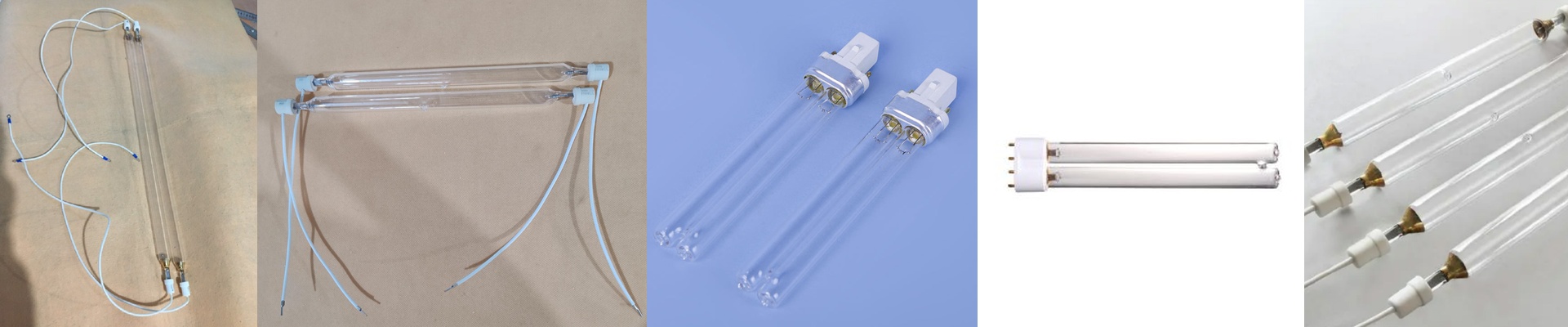
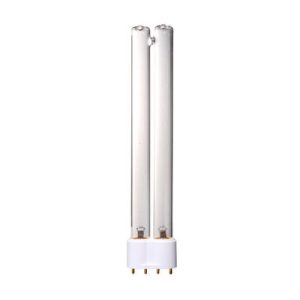
Stop Guessing if Your UV Lamps Are Actually Working
For a long time, replacing UV lamps has basically been a guessing game. You wait for a bulb to burn out, swap it for a new one, flip the switch, and just hope it’s doing its job. It’s a blind process. We thought that was a bit ridiculous. So, we decided to change how this works by baking energy monitoring right into the replacement cycle. Instead of just following a calendar and swapping bulbs because “it’s Tuesday,” you can actually see the health of your system in real time. How it actually works Here is the thing: UV lamps have a very specific power draw. When the gas starts to leak or the filament gets tired, that energy profile shifts. We put smart sensors right at the ballast or the lamp head to keep an eye on wattage and voltage. It means you can tell exactly when a lamp is dipping below the power it needs to actually sterilize things. You don’t have to shut down your entire line or lug a radiometer around just to check if a bulb is still effective. The gear under the hood We designed these to be drop-in replacements. No need to rip out your whole setup. We just add a current transformer (CT) and a simple communication module—either Wi-Fi or RS485—to the circuit. Now, the lamp basically tells you how it’s feeling. If it starts to flicker or the power spikes, the system flags it immediately. You get a live dashboard that shows the energy footprint of every single lamp in your building. It’s a huge relief. You stop throwing away lamps that still have 20% of their life left, but more importantly, you stop the nightmare of running a “dark” lamp—one that looks lit to the human eye but isn’t actually pumping out enough UVC to kill germs. The honest trade-offs Now, it’s not all magic. There are a few things to keep in mind. Adding this monitoring means your electrical cabinet will be a bit more crowded. You’ll also need a gateway to collect all that data. And, let’s be real: more sensors mean more things that could potentially break. If a monitoring module dies, the lamp will still shine, but you’ll be back to flying blind. It really comes down to a simple choice: do you prefer the small cost of the smart hardware, or the massive headache of unplanned downtime?