Getting 80W/cm Mercury UV Lamps to Actually Behave
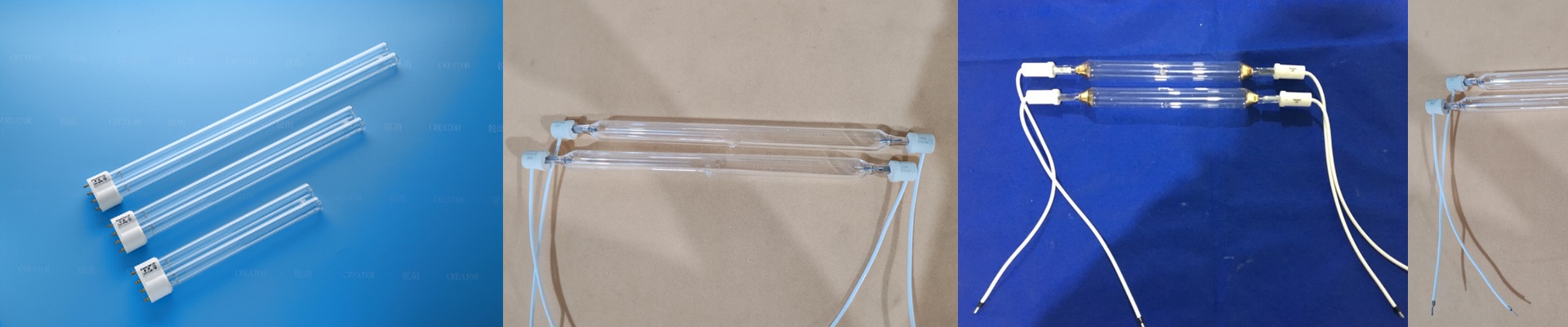
Let’s be honest: a lab is a controlled paradise. But your shop floor? That’s a different story. When you’ve got heavy machinery humming and multiple presses running at full tilt, the electrical environment gets messy. Fast. Most UV systems start to choke in that kind of chaos. That’s exactly why we built our 80W/cm mercury lamps the way we did. Dealing with the Noise Here’s the thing about running several big presses at once: they create a ton of electromagnetic interference. If you aren’t careful, that “noise” leads to flickering or, even worse, lamps that burn out way too early. We fixed this by tweaking the internal electrode geometry and making sure the ballast compatibility is spot on. It keeps the arc steady. So, when a heavy-duty motor kicks in nearby, you won’t see those annoying dips in output. It just stays on. The Heat Struggle An 80W/cm rating is a beast. It gives you the punch you need for fast-cure inks and coatings, but it comes with a price:heat. We’re pushing a massive amount of power through mercury vapor, and it gets hot—really hot. This is where you have to be careful. Double-check your cooling blowers. If your airflow slips even a little, the quartz envelope takes the hit, and your lamp’s lifespan plummets. Keep them cool, and they’ll keep working. Real-World Performance It’s easy to make one lamp look good. It’s much harder to make ten of them work in a row on a production line. We focused on the “interference” problem so the tenth lamp in your sequence performs exactly like the first. No “wet spots,” no uneven curing, no headaches. We designed these as drop-in replacements for high-volume presses because we know that every hour of downtime is basically burning money. If your power grid is noisy and unstable, these lamps are what keep your line moving.