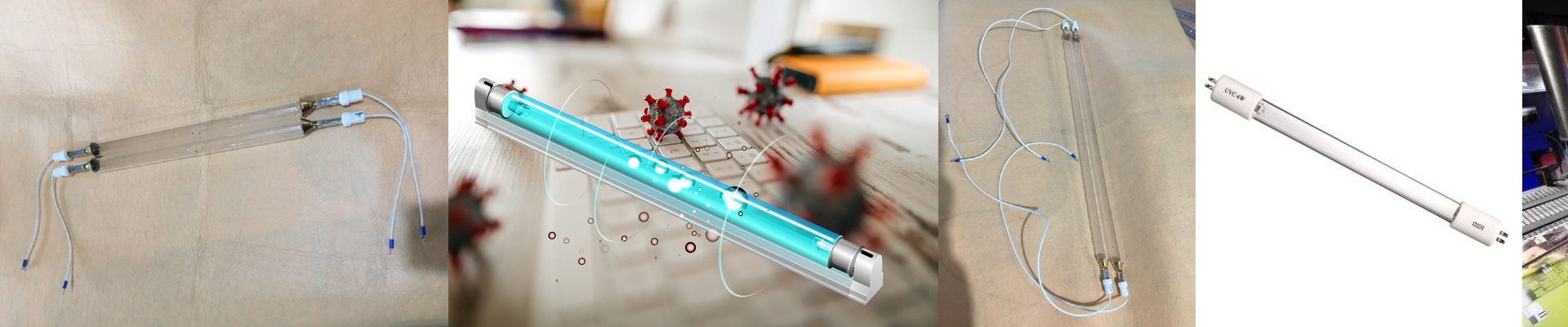
Stop Guessing Your UV Wavelengths
We aren’t in the business of selling generic UV lamps. Honestly, those “one size fits all” options usually lead to a lot of frustration—like when you pull a part off the line and it’s still tacky to the touch. Here is the reality: most off-the-shelf lamps throw out a broad spectrum of light, but your photoinitiators are picky. They only trigger at very specific nanometer peaks. If you’re off by even 10nm, your bond strength tanks or your line speed crawls. It’s a tiny difference on paper, but a huge headache on the factory floor.
Getting the Light Right
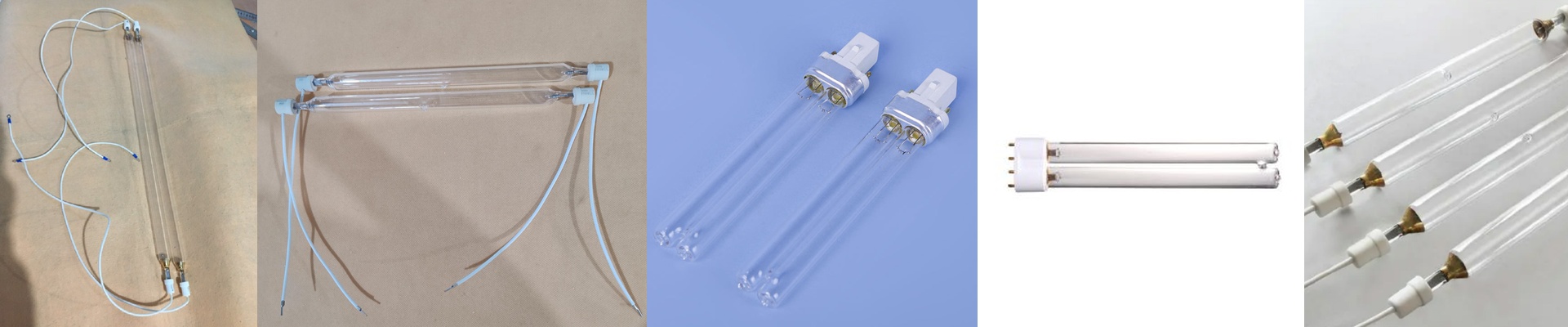
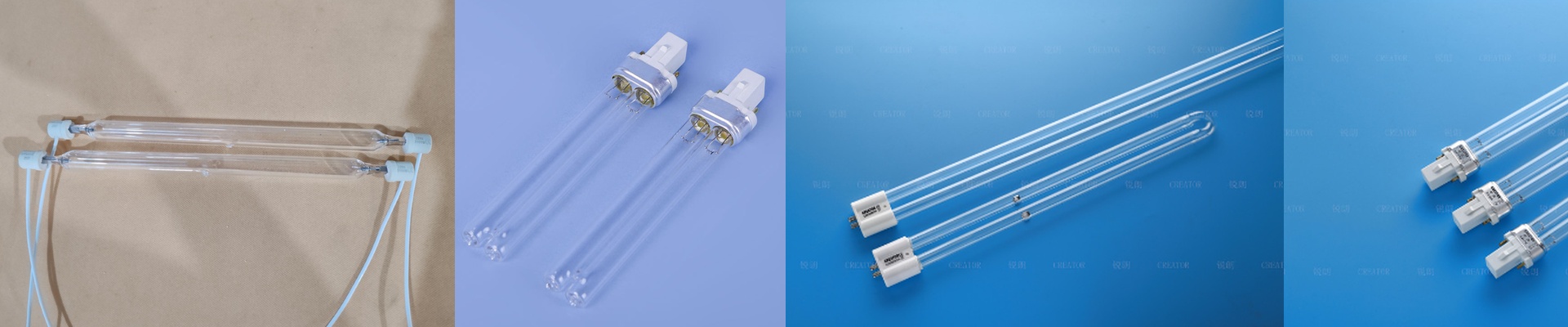
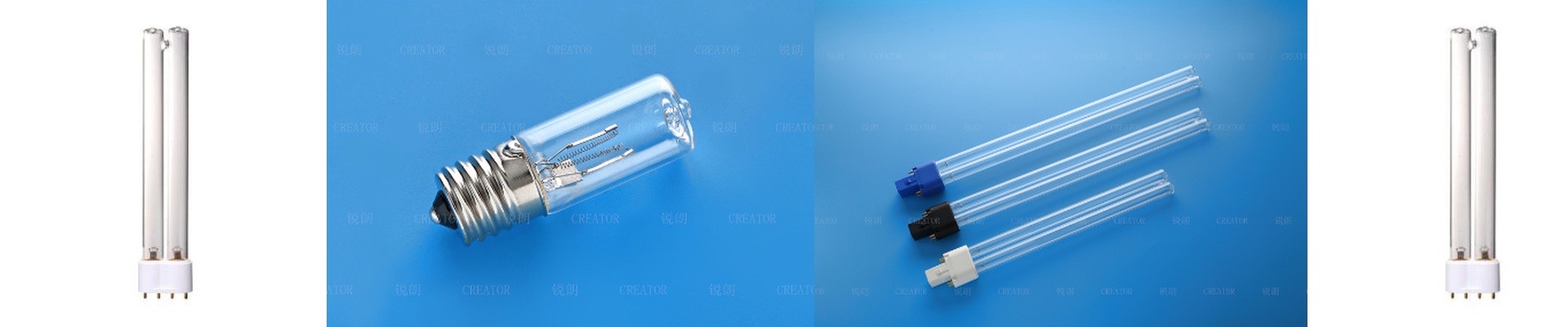
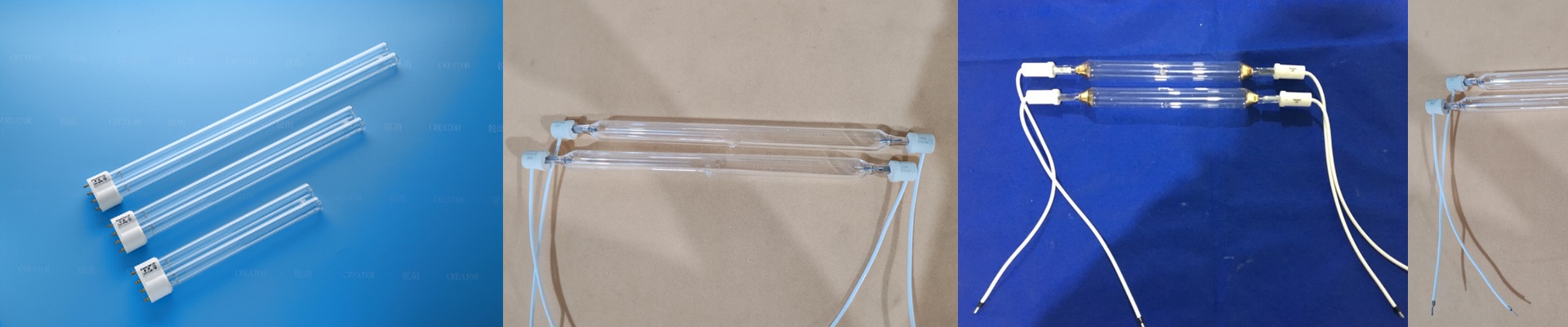
To fix this, we get into the weeds with the gas mixtures and electrode shapes to hit those exact peaks. If you need a deep cure, we push the output toward the longer UV-A range. If you just need a quick surface flash, we tighten things up to UV-C. We also use high-purity quartz for the envelopes. Why? Because standard glass absorbs the energy you’re trying to send to your part. By using the good stuff, the light stays strong and consistent from one end of the tube to the other.
The Heat Problem
High-wattage lamps get hot. Really hot. It’s a balancing act. You want the cure to happen fast, but if you jam too many watts into a short tube, you’re going to scorch your material or fry the lamp. It’s a waste of money and time. That’s why we look at your cooling setup—whether you’re using blowers or chilled water jackets—to make sure your system can actually handle the thermal load without breaking a sweat.
Making it Work in the Real World
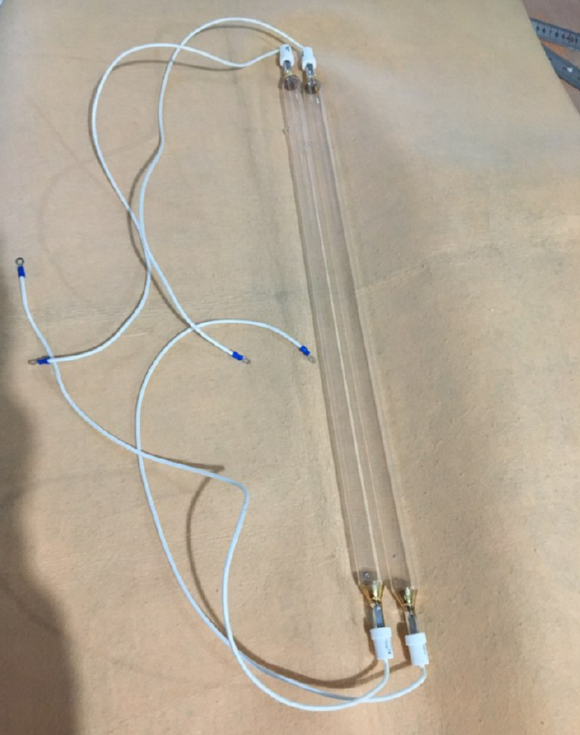
We can build these to drop right into your current arrays or design something totally new for your space. But we don’t just ship a bulb and hope for the best. We obsess over the connection points so you don’t deal with arcing at high voltages, and we make sure the shielding is solid. You have to think about things like ozone production and UV leakage—you can’t just plug these in and walk away. Before any lamp leaves our shop, we hit it with a radiometer. We check the mW/cm² against your specific process requirements. That way, when it arrives, it just works.