Stop Treating Your UV Lamps Like Lightbulbs
Most shops just buy a UV lamp, plug it in, and hope for the best. But if you’re running a serious line, that’s a risky way to work. Your lamp isn’t just a consumable—it’s the heartbeat of your production speed. When the wavelength is slightly off or the light hits the surface unevenly, things go south fast. You end up with parts that feel tacky to the touch or, worse, substrates that are literally scorched.
Getting the Specs Right
We don’t guess. We look at the photoinitiators in your specific ink or adhesive first. If you need a hard surface, we go with UVC. If you need the cure to penetrate deep, we lean toward UVA. But here’s the tricky part: the wattage and tube length have to play nice with your conveyor speed. Sure, cranking up the wattage makes everything move faster. But it also creates a massive heat spike. If you don’t have the right cooling fans or water jackets in place, your parts will warp. It’s a balancing act.
The Nitty-Gritty Details
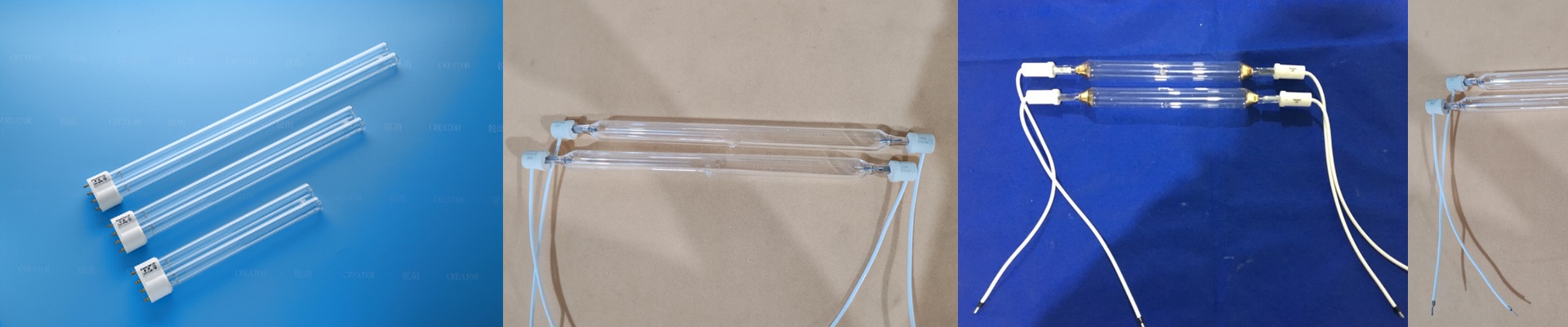
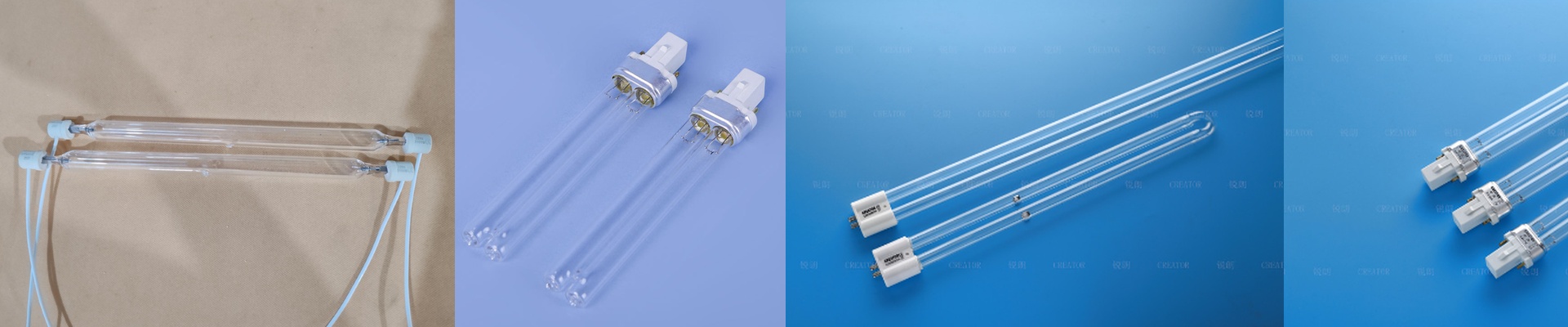
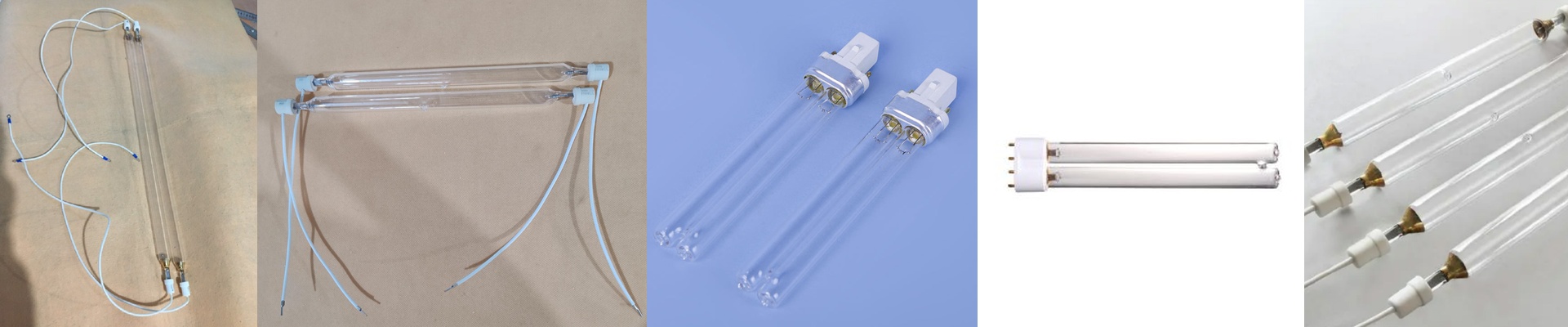
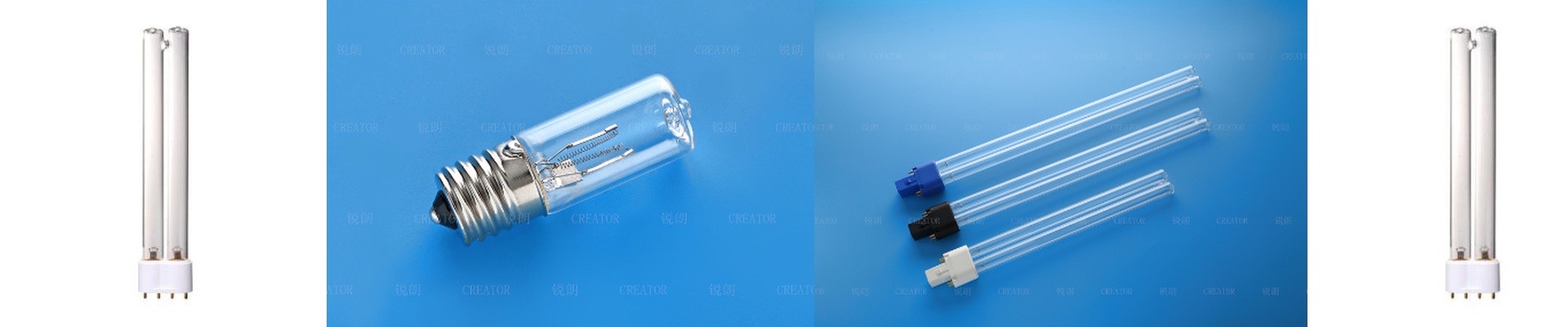
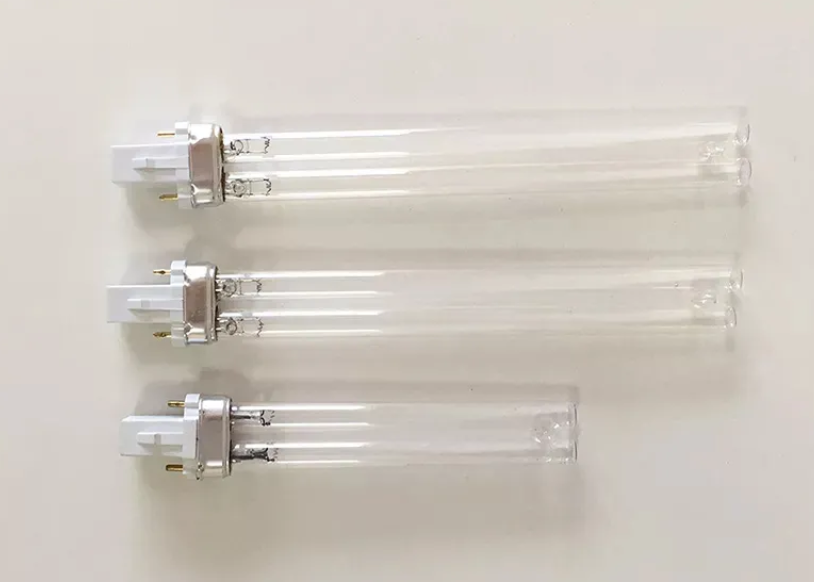
We use high-purity fused quartz for a reason. Standard glass is basically a wall—it blocks the very light you’re paying for. We also obsess over the end-cap connectors. Why? Because a loose fit leads to arcing, and arcing kills your lamps way too early. Plus, we can actually coat the tubes to filter out wavelengths that might eat away at your plastic housings. It’s about protecting your gear.
Killing the Bottleneck
The real win here is getting rid of the guesswork. Imagine not having to do the “touch-test” every five minutes just to see if a part is actually dry. When the dose is consistent across the whole width of the part, your reject pile shrinks. Just a heads-up, though: you can’t just blast the intensity to speed up the line. That usually leads to shrinkage or internal stress in the polymer. We work with you to find that sweet spot where your parts stay stable, but your cycle time stays fast.