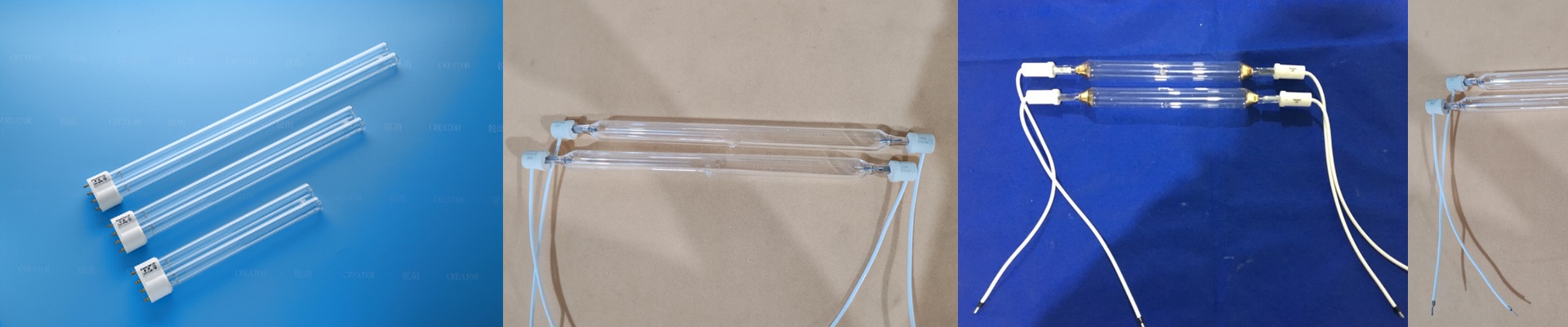
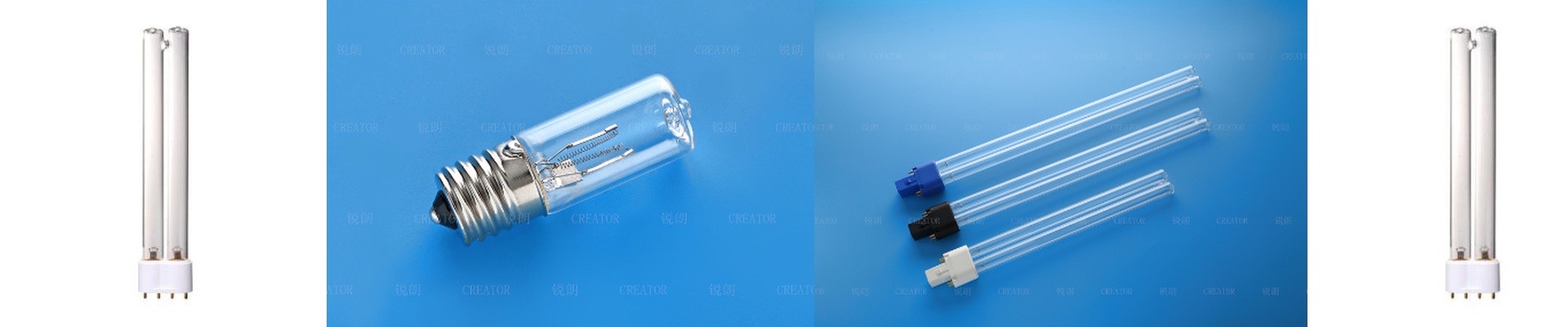
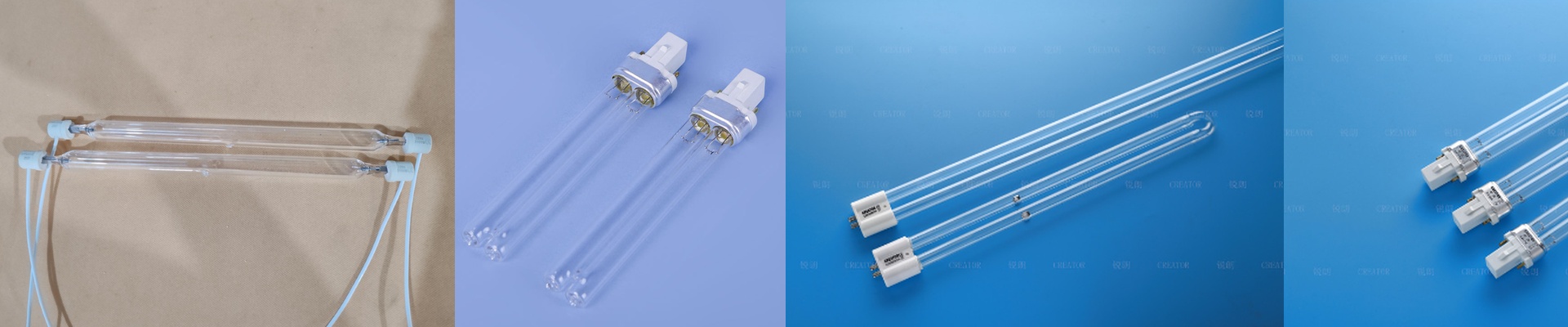
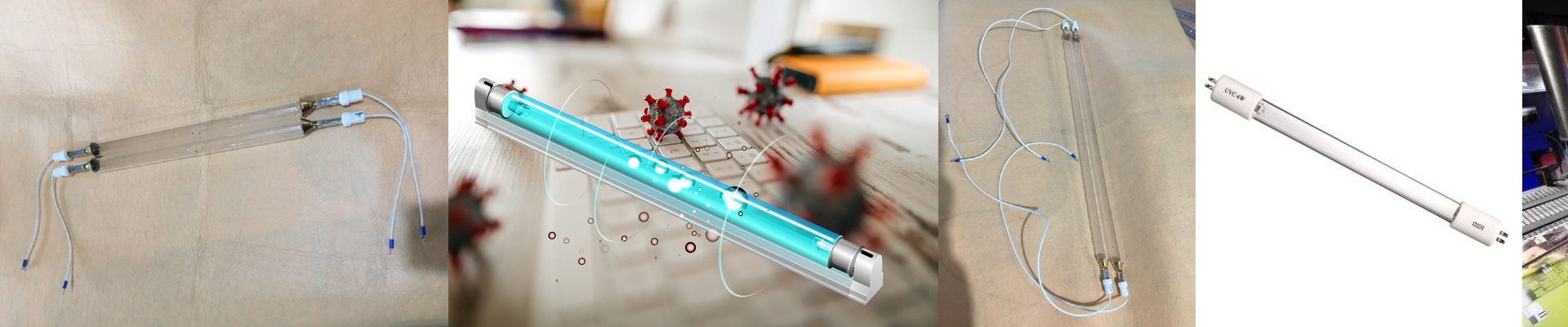
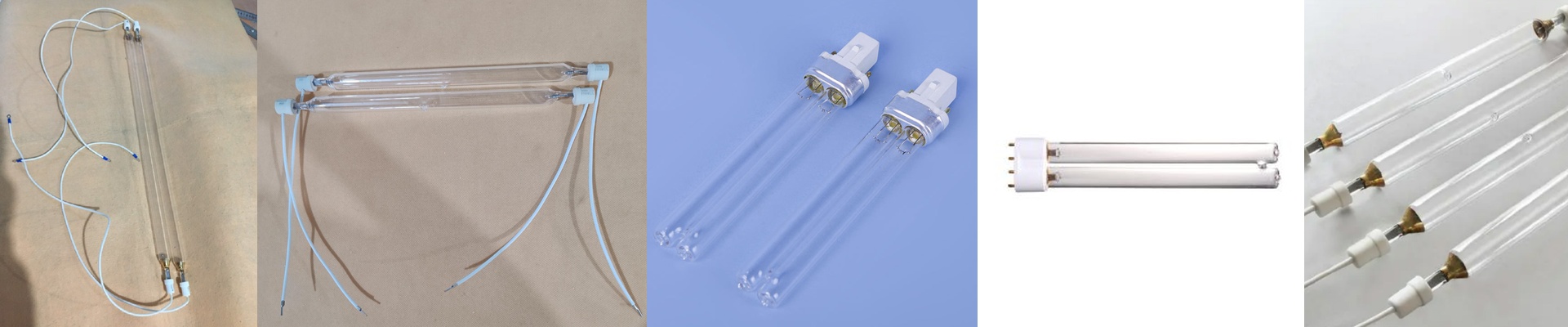
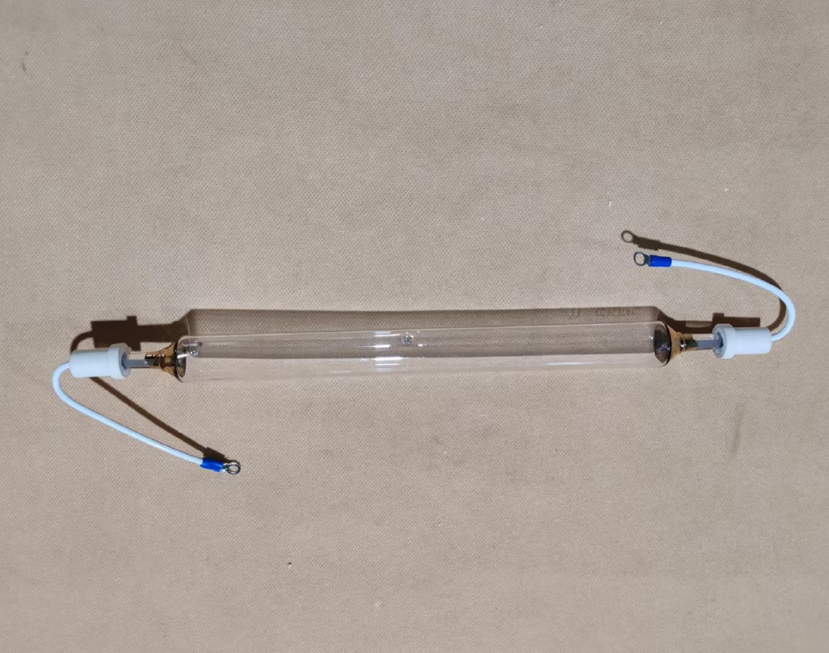
On the floor, downtime is the one thing you can’t afford. When a Hanovia lamp hits end of life, press speed drops off and cure quality starts to drift—ink stays tacky, adhesion falls apart, and scrap piles up. That’s why wholesalers and traders come to us for CE-certified replacement UV lamps: they bring back the original spectral profile and irradiance you need to keep lines moving. What actually matters, technically A UV curing lamp isn’t just a light. It’s a matched photochemical tool. Our Hanovia replacements hold steady mercury-vapor output, centered on the dominant emission lines your photoinitiators rely on, with consistent peak irradiance along the arc length. Wavelength stability matters because a small shift changes absorption, and absorption sets the depth of cross-linking. We call out output in measurable terms—energy density at the substrate and repeatable irradiance—so you can tie lamp performance to your cure window, not to guesswork. Why this works in real production On high-volume UV offset, flexo, and screen lines, the replacement has to behave like the OEM unit. Our lamps match the required arc length, terminal geometry, and electrical envelope, so they drop straight into the existing reflector assemblies without re-engineering the optics. You get the designed cure speed back, less warm-up variability, and you hold surface cure and through-cure at the same time. The payoff is fewer rejects, stable color register, and predictable throughput. The details that keep it honest Matching the socket and reflector is only half the job. Make sure you confirm the ballast type and voltage, align the lamp in the reflector focal plane, and verify ozone handling—our ozone-free options take the load off extraction. And keep an eye on output decay with a radiometer; schedule replacements before irradiance dips below your minimum cure threshold.