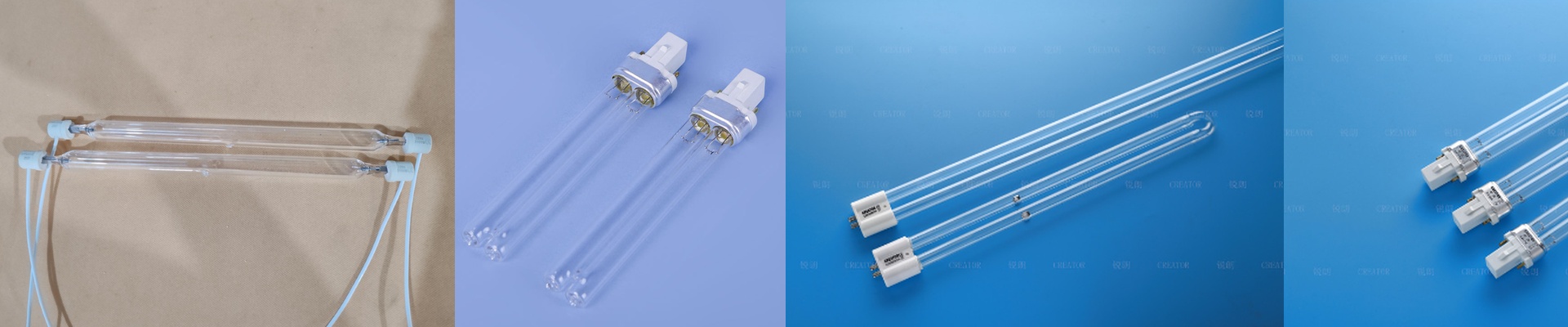
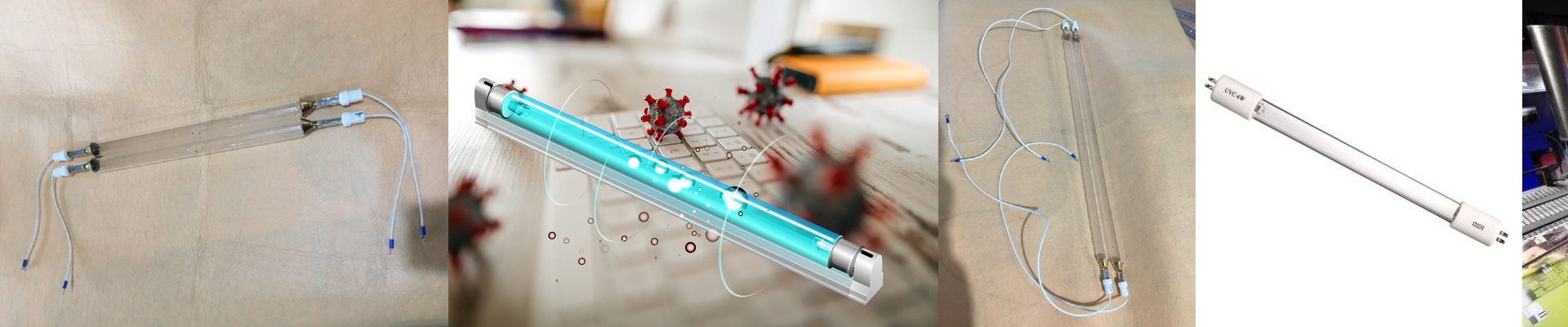
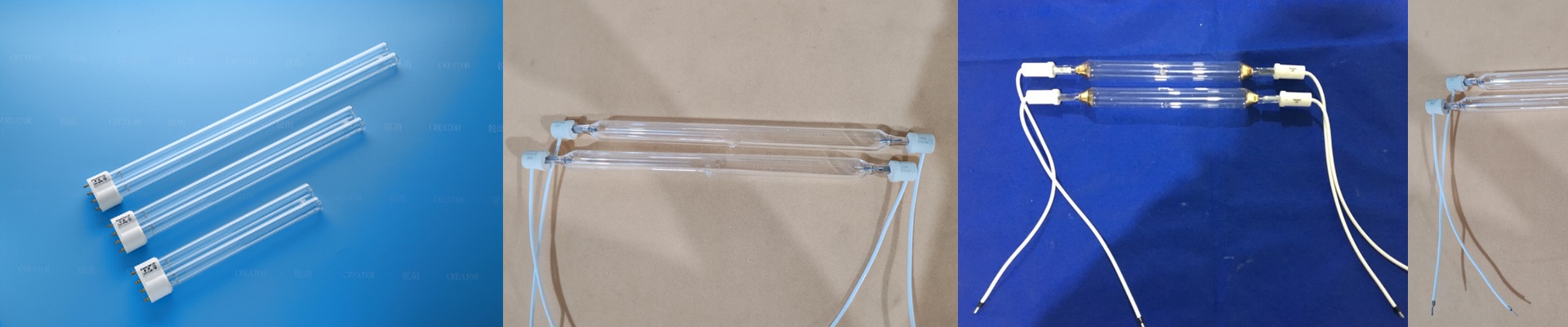
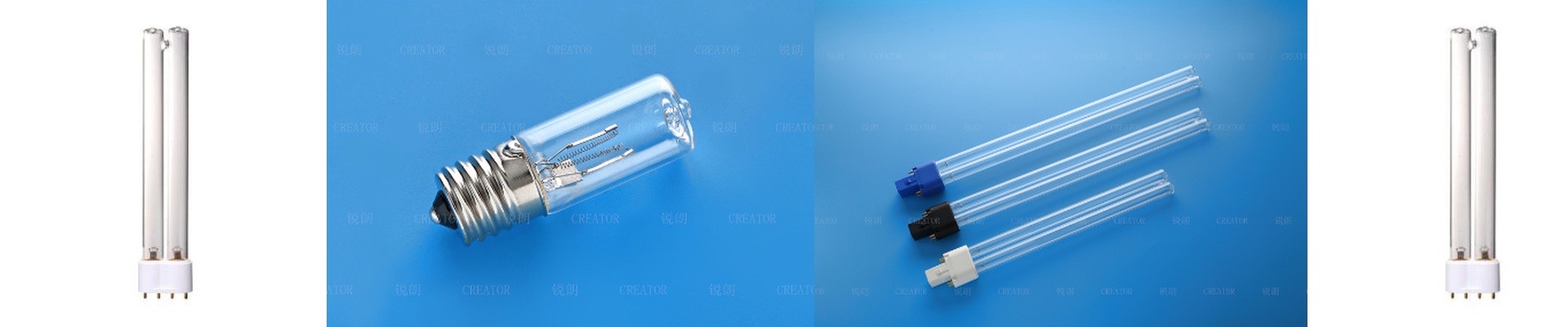
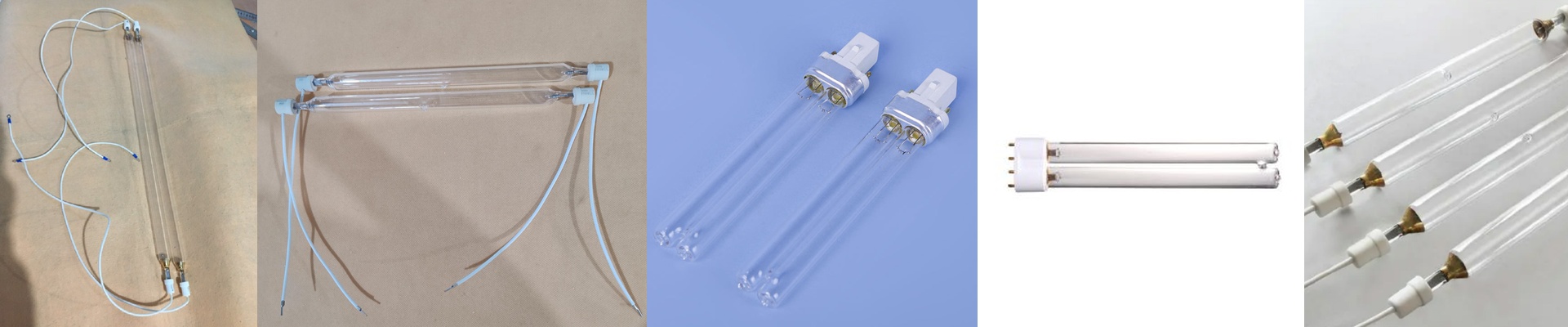
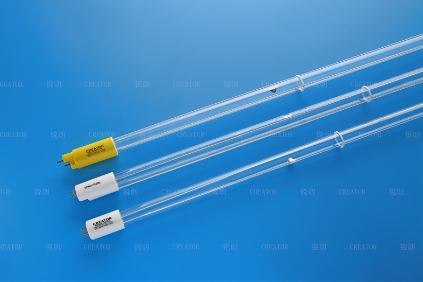
We’ve spent a lot of time on the road—visiting about 3,000 printing plants to be exact. One thing kept popping up. There is a massive difference between what the lab specs say a UV lamp should do and how it actually behaves on a noisy, hot shop floor. Most of the time, when a lamp fails, people blame the bulb. But usually? It’s a heat problem. The lamp is pumping out more thermal energy than the machine can actually cool down. The heat struggle Industrial printing is a balancing act. You need the UV hit to cure the ink, but you can’t just crank the wattage and hope for the best. Higher wattage means faster curing, sure. But it also means more heat density. If your cooling fans are old or tired, that extra power will just warp your PET film or burn right through your substrates. It’s a headache you don’t need. Getting the fit right We got tired of “generic” fits. They never actually fit. So, we focused on making true drop-in replacements. We made sure the electrode positioning and the end-caps match your ballast exactly. We also use high-purity quartz glass. Why? Because it lets more UV-C through and gets rid of those annoying “dead zones” at the ends of the tube. And honestly, it comes down to the footprint. If a lamp doesn’t seat perfectly in the socket, you get arcing. And arcing is the fastest way to kill a ballast. Keeping things moving When you’re running a high-speed line, the last thing you want is to spend your afternoon rewiring a machine. Our approach is simple: swap the tube, check the voltage, and get back to work. Just a heads-up though—if you turn up the UV intensity, you’ve got to adjust your line speed. If you pump up the power but keep the belt slow, you’ll over-cure the ink and it’ll turn brittle. We provide the raw power. You just tune the belt to match your specific ink. Simple as that.