The Secret Sauce Behind Your Favorite Fabrics
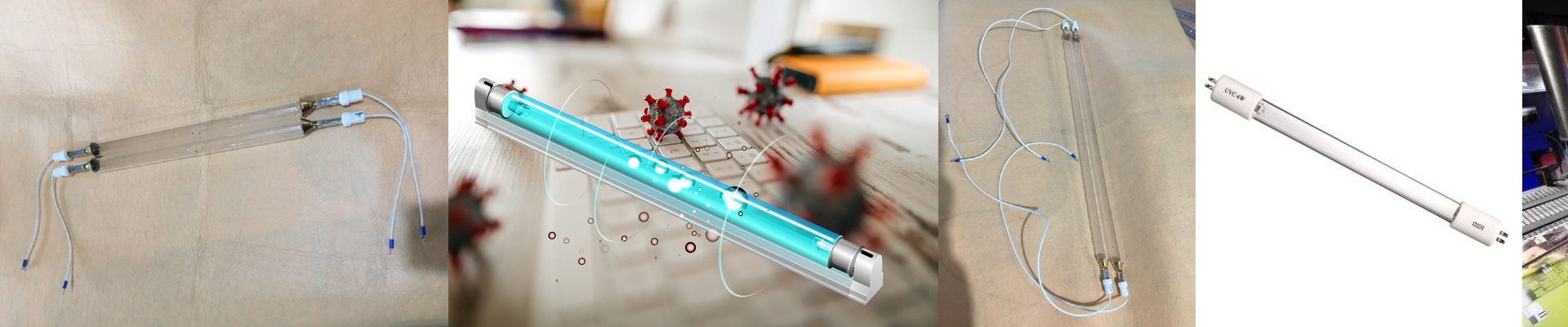
Ever wonder how a piece of fabric goes from a wet, ink-soaked mess to a finished garment you can wear immediately? It’s not magic—it’s UV light. Most people think of UV lamps as just “bulbs,” but in a textile mill, they’re the muscle. They lock in colors and finishes in a heartbeat. Instead of waiting around for things to air-dry (which takes forever), these lamps trigger a reaction that cures everything instantly.
Getting the Power Right
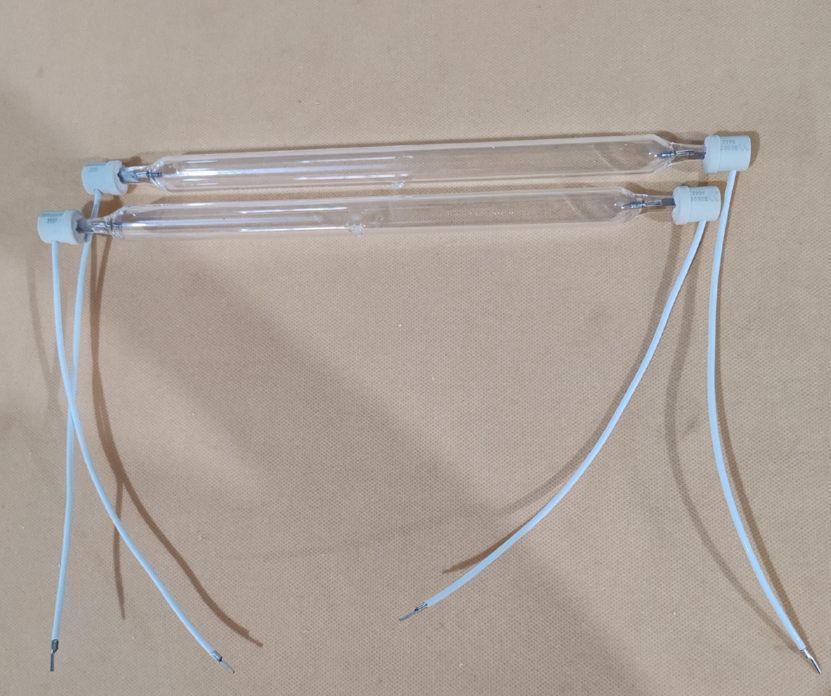
When you’re dealing with wide rolls of fabric moving at high speeds, you can’t afford for your lights to flicker or drift. That’s why we use high-wattage mercury or gallium-doped arcs. It sounds technical, but it basically just means the light is strong enough to actually “hit” the chemicals in the ink. Here’s the thing: if your lamps aren’t putting out enough power, you get “under-curing.” That’s a nightmare. The fabric stays tacky, the ink smudges, and you end up with a pile of wasted material. Not a great way to spend a Tuesday.
The Tough Stuff
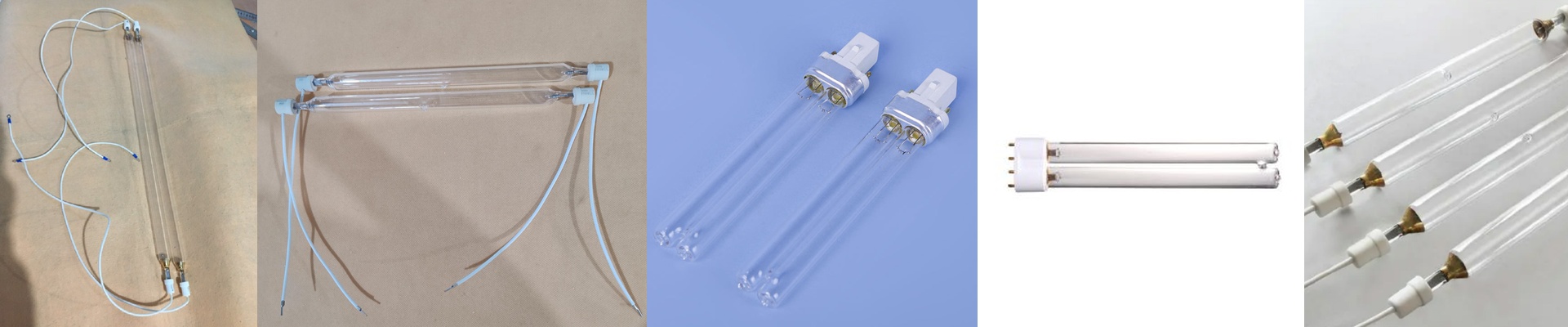
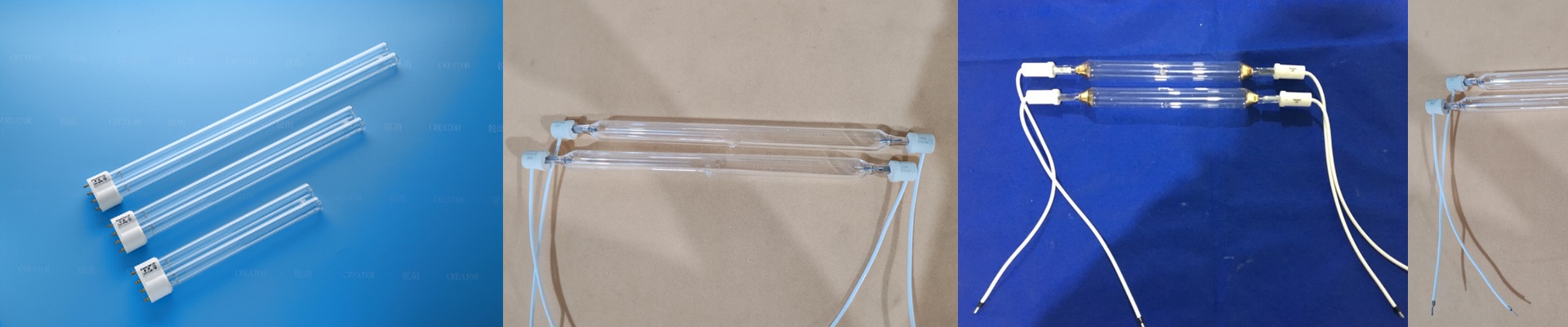
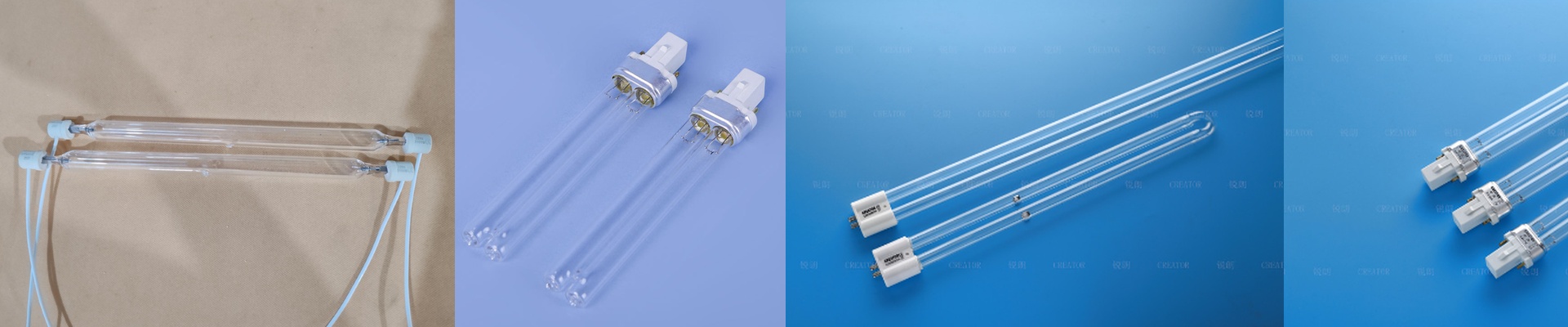
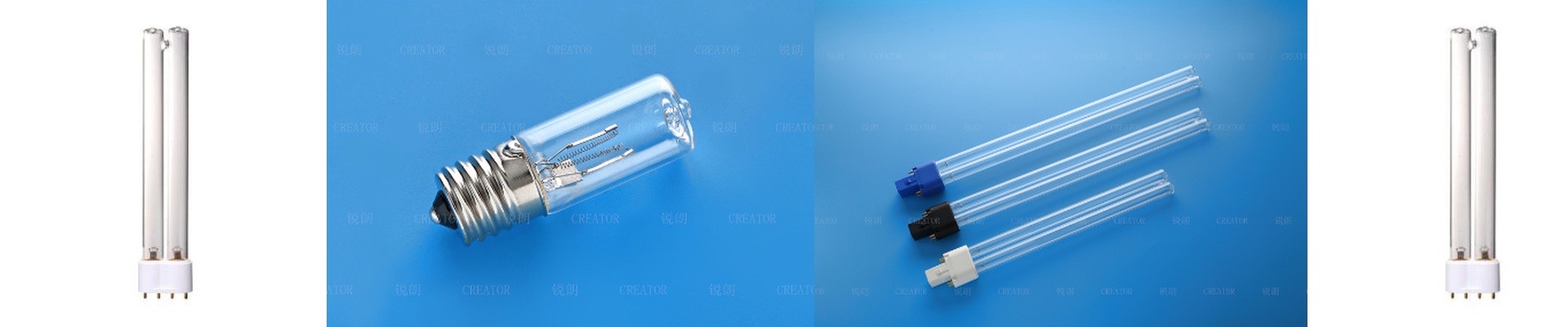
We use high-purity quartz glass because it lets the most UV light through. But let’s be honest—quartz is fragile. Factory floors are chaotic. Things bump into each other. Fabric rolls shift. To keep your line from grinding to a halt, we wrap these tubes in reinforced housings. It keeps the glass safe so you aren’t sweeping up shards in the middle of a shift. And because nobody likes spending four hours rewiring a ballast just to change a lightbulb, we use standard connectors. You just pop the old one out, drop the new one in, and get back to work in a few minutes.
In the Real World: Inks and Coatings
This is where the heavy lifting happens. Whether it’s a digital print or a water-repellent coating, the UV light turns liquid monomers into solid polymers almost instantly. But there’s a catch. These lamps gethot. Really hot. If your cooling fans aren’t up to the task, you’re going to have problems. You might scorch the fabric or burn out the lamp way too early. The trick is finding that sweet spot between how fast your conveyor belt is moving and how intense the light is. Get that balance right, and everything flows.