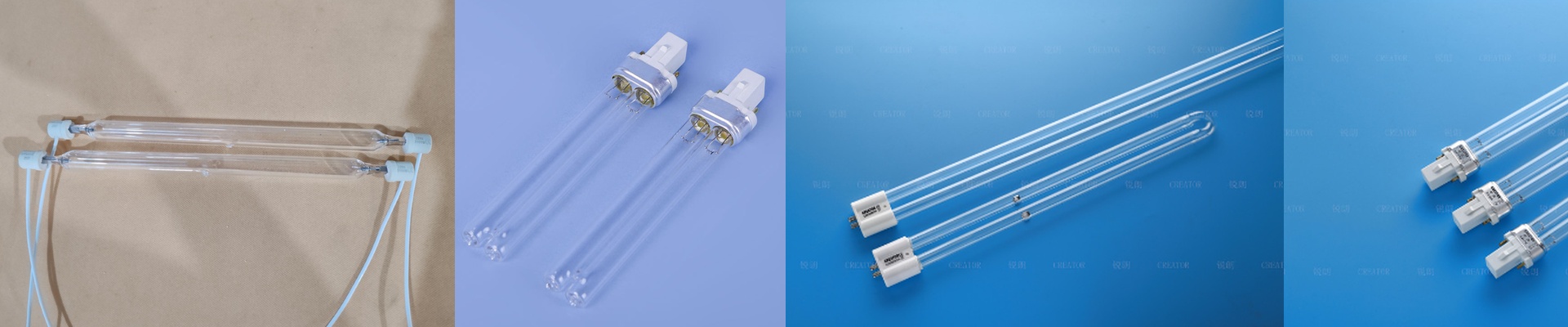
Getting the Most Out of Your UV Energy
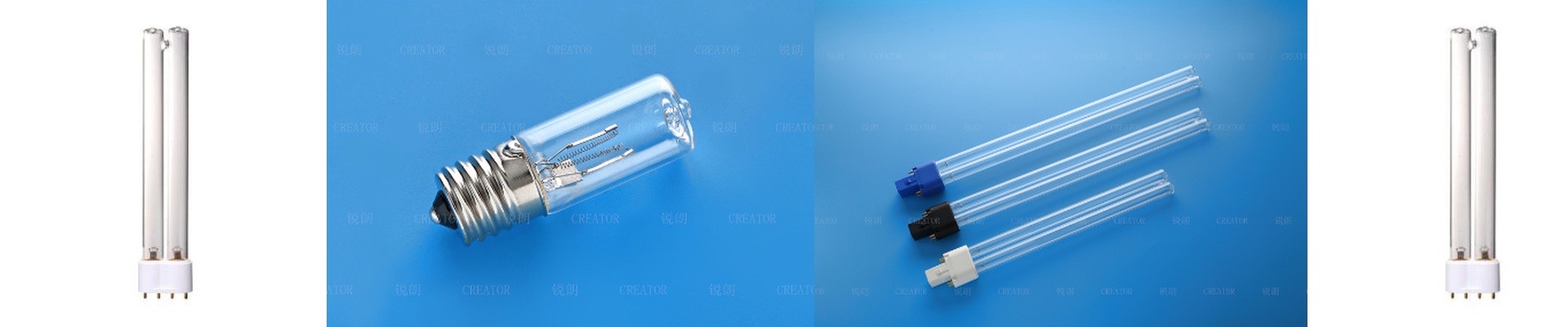
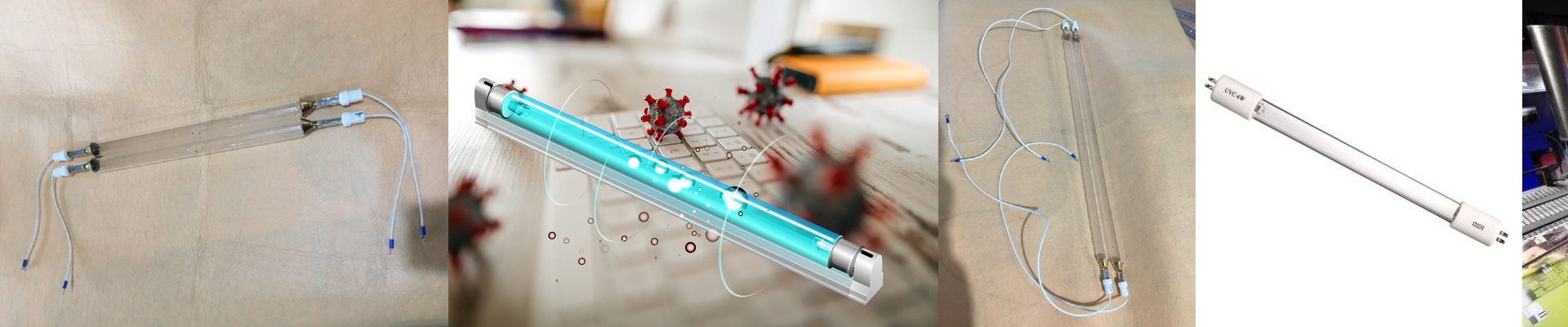
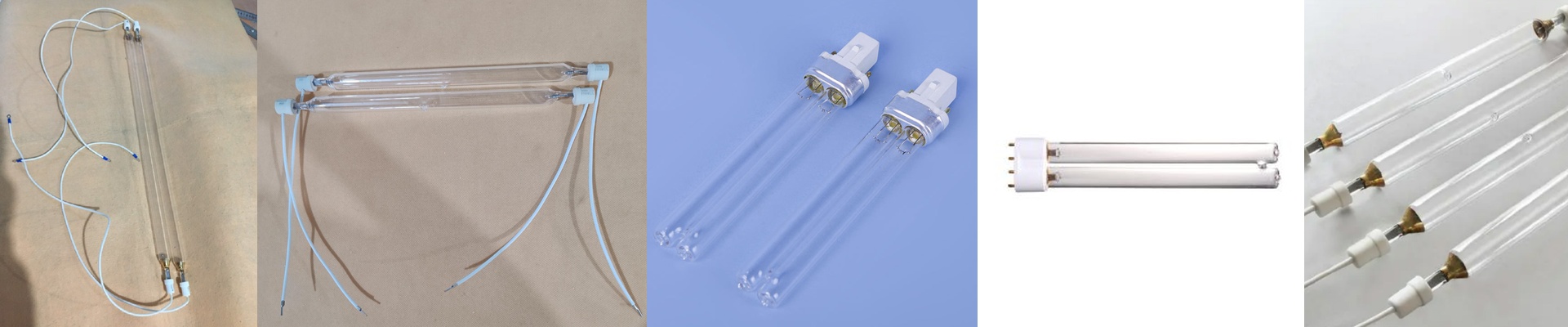
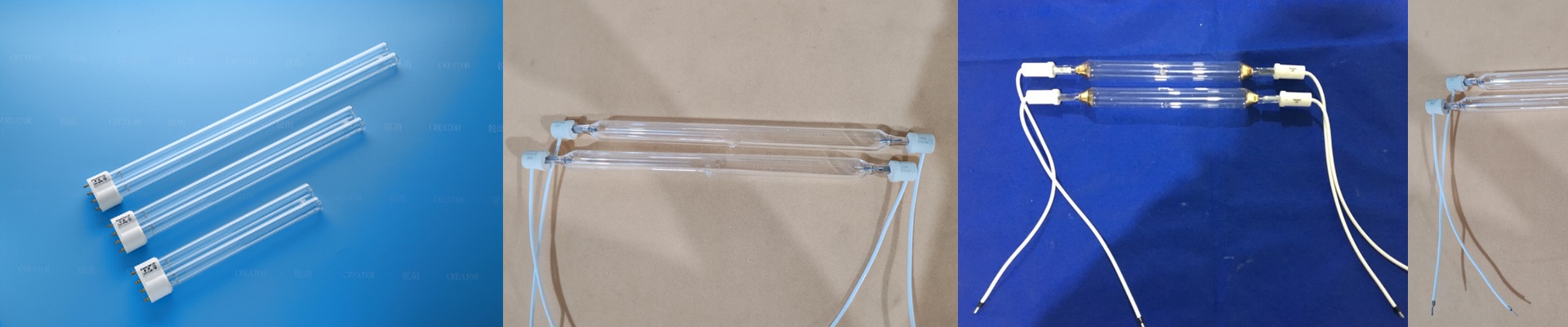
Let’s be honest: most people think of mercury UV lamps as just a way to dry ink or glue. But if you’re running a modern automated line, you know it’s more than that. We look at these lamps as precision tools. When you plug our systems into your factory, you aren’t just buying a bulb. You’re controlling a specific wavelength to trigger a very specific chemical reaction.
The Tug-of-War Between Power and Heat
Here is how the physics actually plays out on your floor. High power density is the name of the game. If you go with a high-wattage tube, you get more UV intensity. That means you can crank up your conveyor speed and get more product out the door. But there’s a catch. High wattage brings a lot of infrared heat. If your cooling blowers aren’t up to the task, you’re going to have problems. We’re talking warped substrates or burnt-out lamp ends. It’s a balancing act.
Why the Glass Matters
We use high-purity fused quartz for a simple reason: standard glass kills the shortwave radiation we need. It just blocks it. By tweaking the gas mixture and pressure inside the arc tube, we can tune the light to match your photoinitiators. We stay away from those generic coatings that eat up 10-15% of your output. Instead, we keep the mercury discharge pure so the energy hits exactly where it needs to.
Making it Work in a Smart Factory
In a high-tech setup, these lamps should be talking to you. We design our housings so you can swap them out quickly. No one wants the line down for hours because of a bulb change. The tricky part is knowing when to swap. When a lamp gets old, the intensity dips, and suddenly your cure rate fails. You might not even notice until you have a batch of bad parts. Our advice? Pair the lamps with real-time UV radiometers. Instead of guessing based on a timer or a calendar, you swap the lamp because the data tells you it’s actually dying. It’s a much smarter way to handle maintenance.