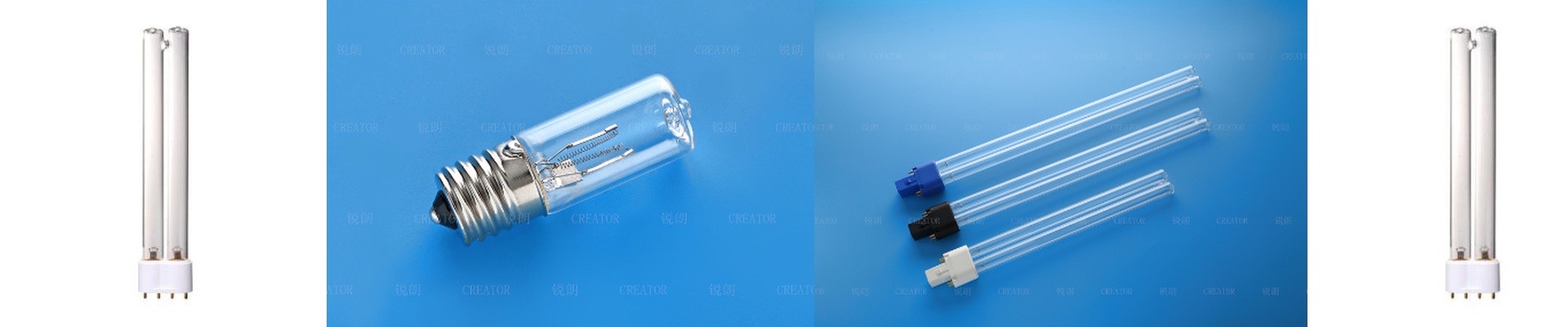
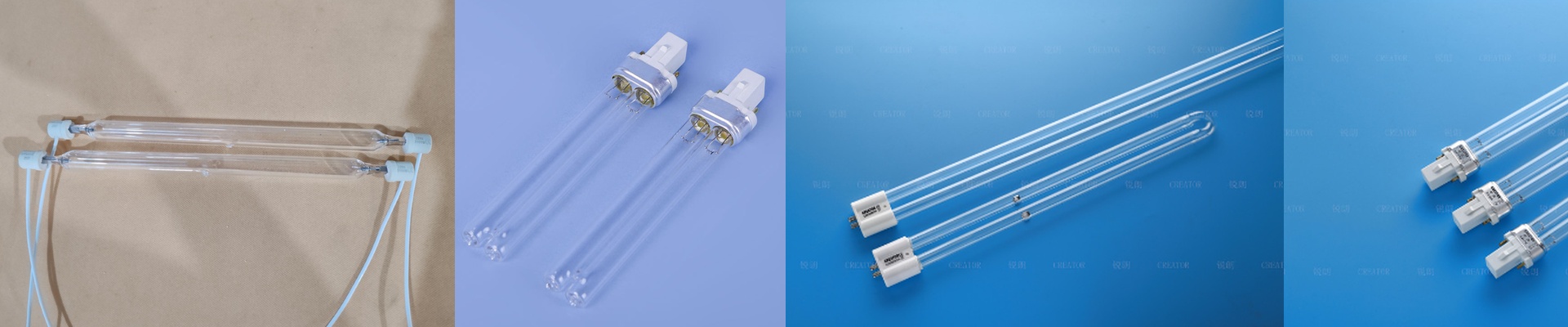
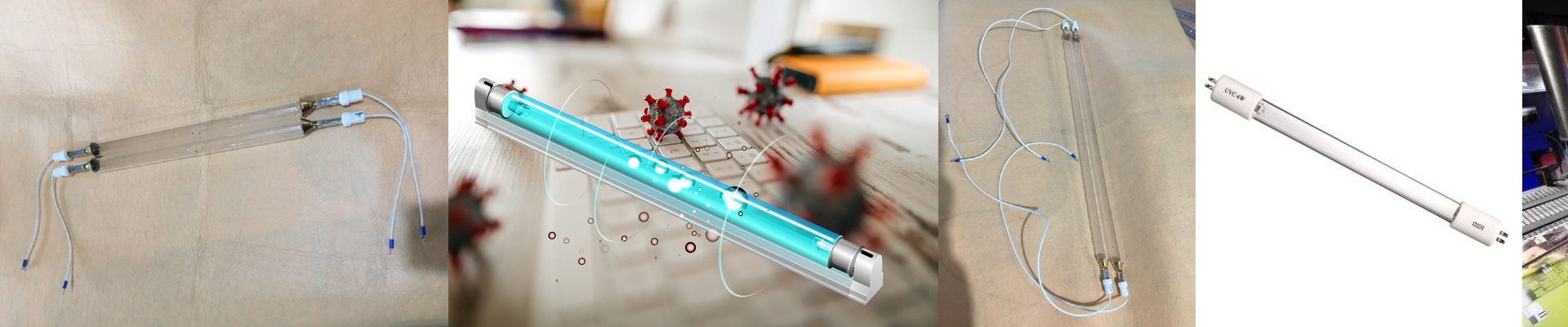
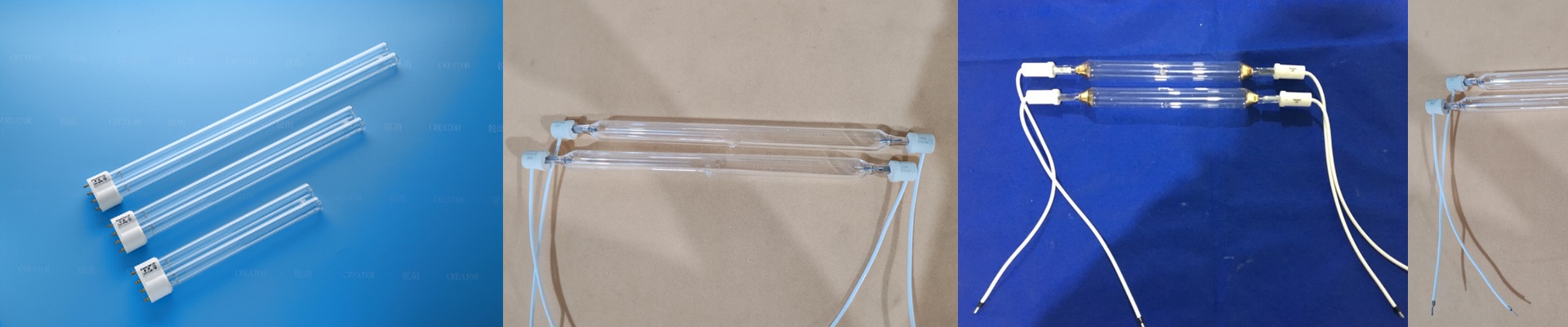
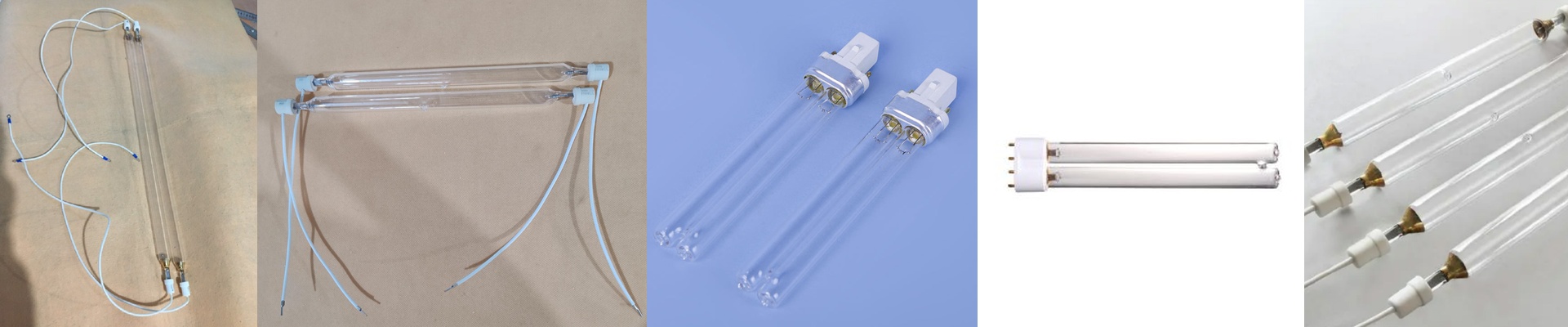
The Reality of 120W/cm Mercury UV Lamps
We build our standard mercury UV lamps to hit a power density of 120W/cm. If you’re running high-speed curing lines, this is where you want to be. It gives you that concentrated punch of UV needed to cross-link polymers in a matter of seconds. But it’s not just about cranking up the power. The real trick is keeping the light steady across the whole tube. Nobody wants “cold spots” ruining a finish right before it hits the end of the line.
Dealing with the Heat
Here is the thing: when you’re pushing 120W/cm, heat becomes your biggest enemy. These lamps have to get incredibly hot to keep the plasma arc going. If your cooling system isn’t actually pulling that heat away from the quartz, you’re asking for trouble. The lamp will either burn out way too early or the quartz will start to devitrify. To stop that from happening, we use high-purity fused quartz. It’s tough. It handles the thermal stress without cracking, even when things get intense.
Why we actually care about CE Certification
A lot of suppliers treat CE marking like a checkbox on a form. For us, it’s a technical baseline. Think about your factory floor. High-voltage UV systems can leak electromagnetic interference (EMI) if they aren’t built right. That “noise” can travel through your grid and crash your PLC controllers or make your sensors go haywire. That’s a nightmare scenario. A CE-certified lamp is tested to make sure it plays nice with your other gear. It means you can drop these into a high-end line in Europe or North America without worrying about a total system shutdown or failing a safety audit.
The Trade-off
Nothing is free. High power density comes with a catch: your tubes won’t last as long as the low-wattage ones. You get the speed, but you’ll be swapping out lamps more often. It’s a balancing act. You have to weigh your conveyor speed against how fast the lamps degrade to make sure your cure quality stays exactly where it needs to be.