Hybrid UV Curing in Auto Parts Powder Coating: Mercury vs. Metal Halide in IR-UV Systems
Picture an auto parts powder coating line. It’s moving, it’s hot, and you’ve got thin components that can’t take a beating. So we lean on a hybrid setup—infrared heating paired with UV curing. It’s about hitting the right cure profile fast, without turning delicate parts into pretzels. The real question? Which UV lamp makes the most sense for your chemistry and your line speed: mercury or metal halide?
Power, Voltage, and Geometry—What Actually Matters on the Floor
We spec these UV lamps around the reality of a mixed thermal zone. Infrared warms the part quickly, then the UV lamp steps in and finishes the cure. On the power side, 400V is common for industrial UV units. Why? It keeps the current manageable over long cable runs and cuts down on voltage drop across the fixture—especially when you’re running multiple lamps in parallel along the conveyor. Wattage isn’t about chasing the highest number. It’s about matching the cure window. A 2500W rating on a 300mm tube gives you the irradiance needed for fast-cure powder coatings. But here’s the catch: more power means you have to get the cooling right—around the lamp and the reflector assembly. If the cooling is undersized, the lamp runs hot. Output drifts. And lamp life takes a hit.
The Lamp, Inside and Out
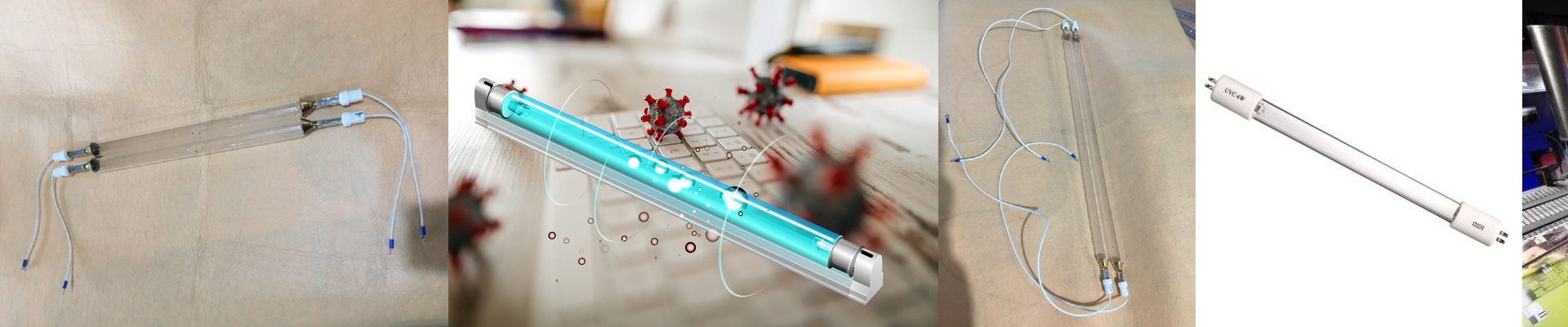
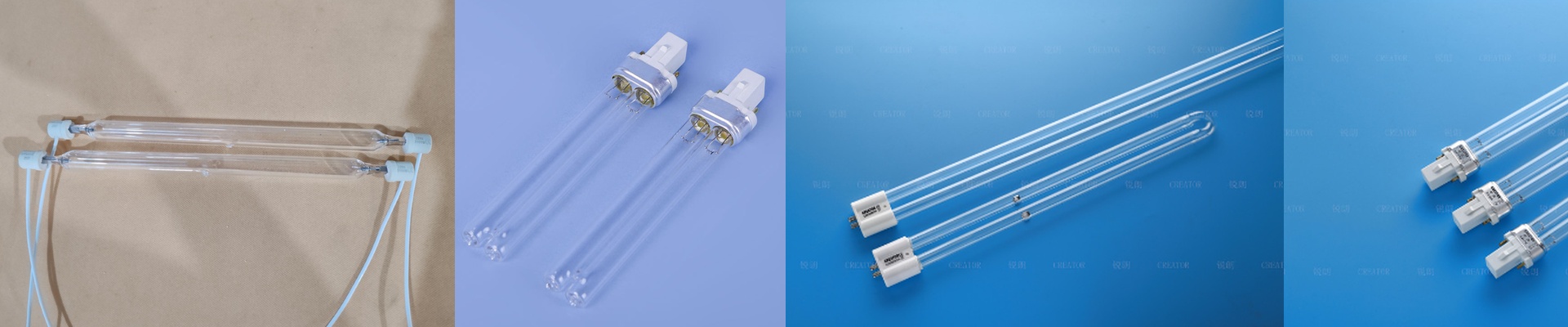
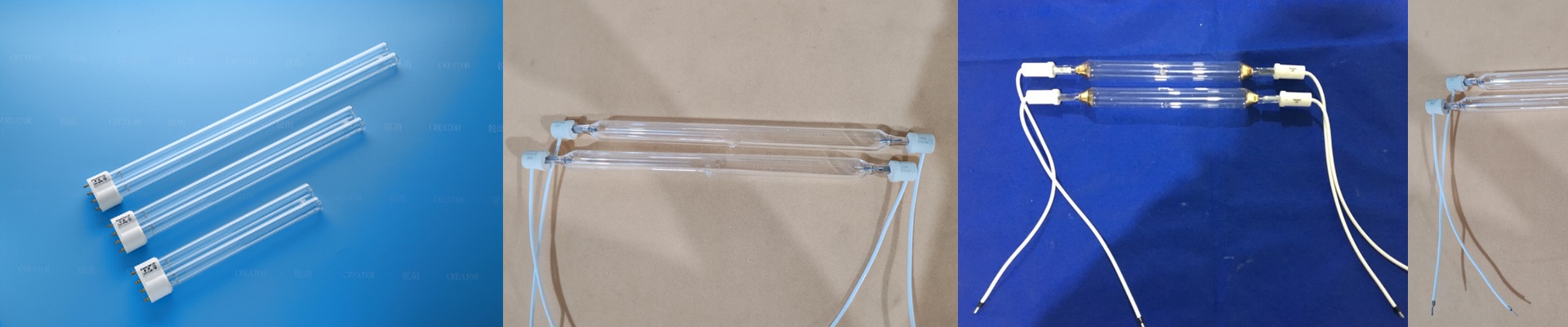
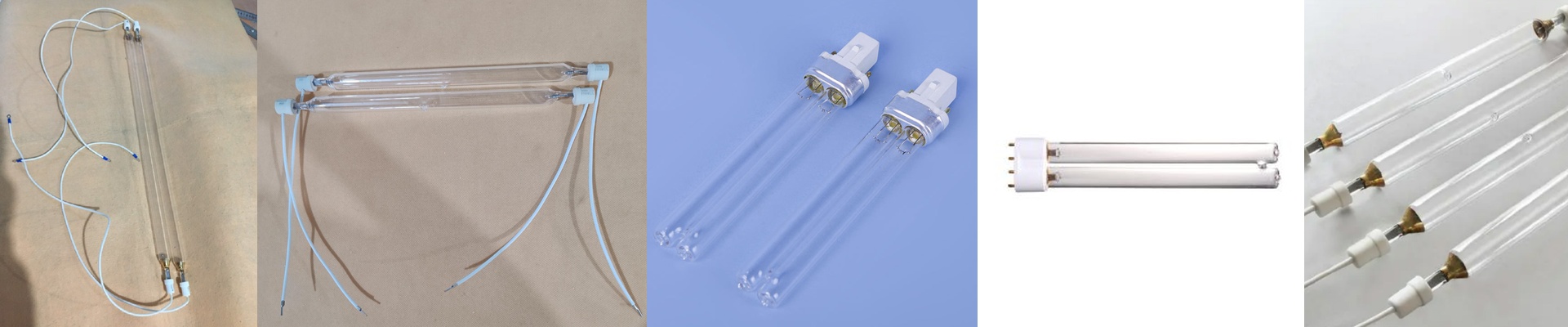
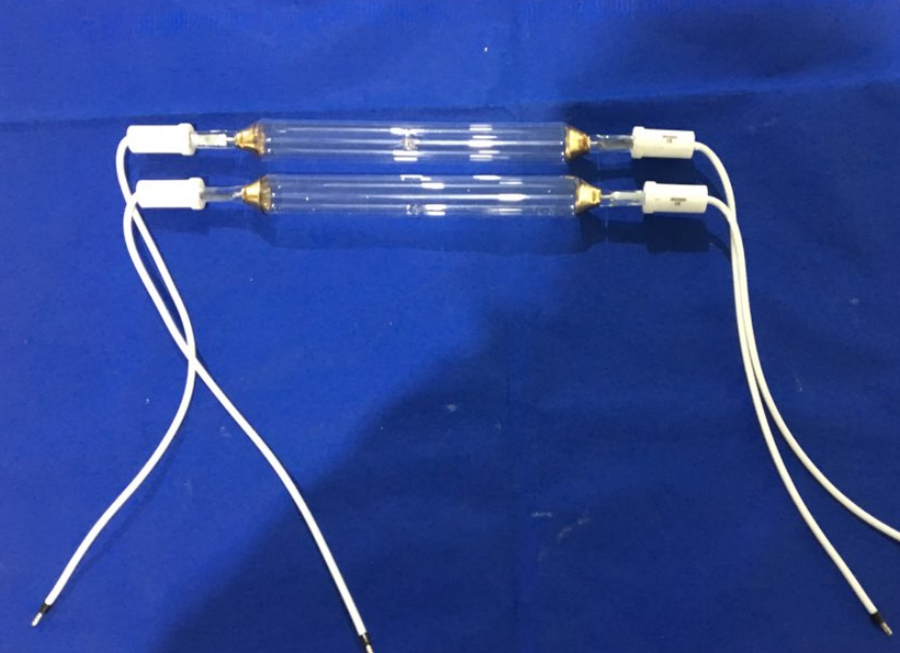
Mercury lamps punch hard in the UV-C band. That’s a sweet spot for many standard powder coating chemistries. Metal halide lamps widen the spectrum, adding UV-A and some visible light. That can help thicker coatings and pigmented finishes cure more evenly—less of a “top-cure only” situation. The quartz envelope handles high temperatures and keeps UV transmission solid. A reflective coating on the outside directs energy forward, so you waste less and get more consistent dose across the part. And the R7s connector? It’s practical. It handles the current, makes lamp swaps quick, and keeps the lamp aligned inside the reflector housing.
What This Means for Your Line: Speed, Control, and Uptime
In automotive finishing, the hybrid IR-UV approach gives you control where you need it most. IR drives the bulk temperature up fast. Then the UV lamp triggers the final crosslink. Mercury lamps are often the straightforward pick when you want repeatable, high-speed curing. Metal halide shines when coating thickness varies or when the formulation needs deeper penetration. We design the system so the lamp is a drop-in replacement in existing fixtures. That means you can speed up the line without cranking up the overall oven temperature—less part distortion, less energy draw. But there’s a trade-off. Higher irradiance boosts throughput, sure. It also demands tighter thermal management and strict lamp positioning, so the dose stays uniform across the whole part profile.