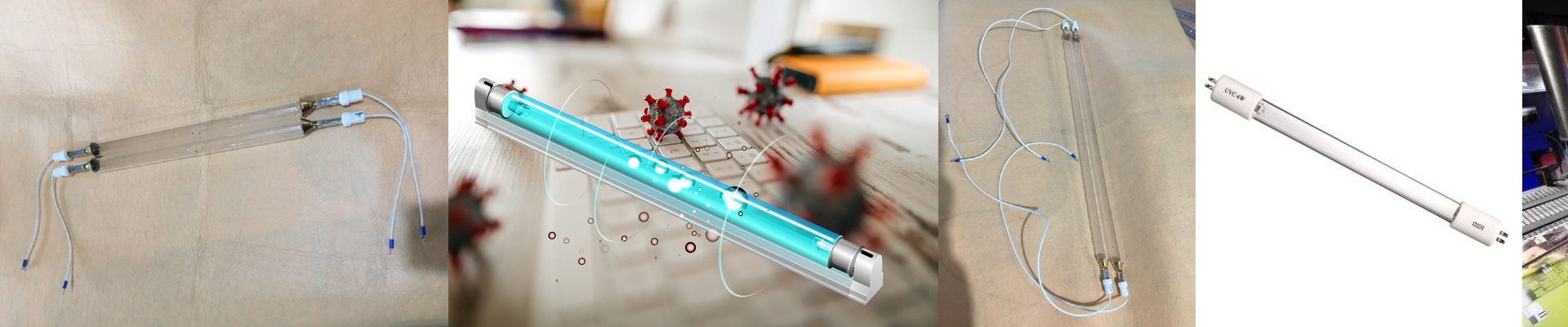
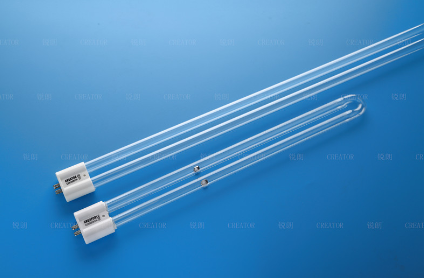
Getting the Most Bang for Your Buck with UV and IR Lamps
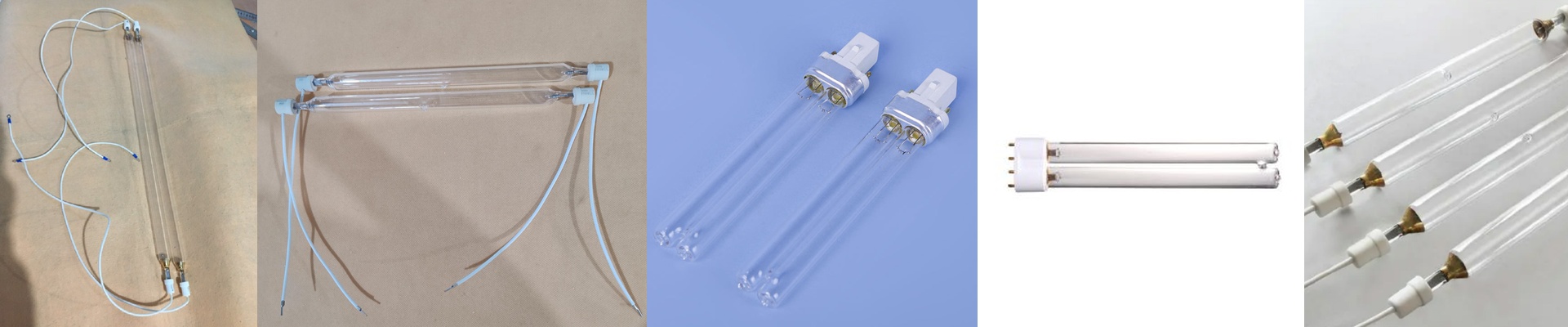
Let’s be honest: finding a lamp that doesn’t break the bank but also doesn’t blow out after a week is a pain. Most people feel like they have to choose between a cheap knock-off or a ridiculously overpriced brand name. We do things differently. We handle everything ourselves—from sourcing the raw quartz to sealing the electrodes. When you buy from us, you aren’t paying for some distributor’s fancy office or a middleman’s commission. You’re just paying for the glass, the gas, and the tungsten. Simple as that.
The Nitty-Gritty on Power
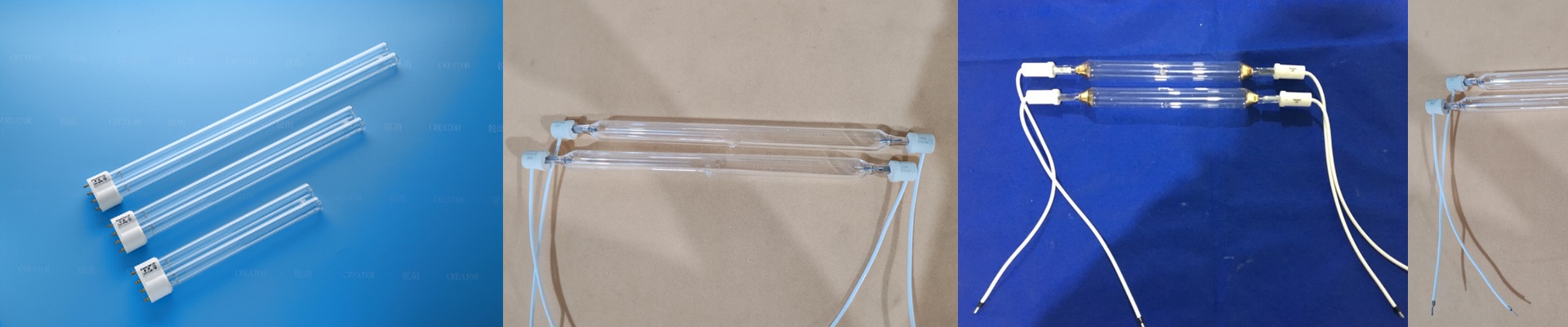
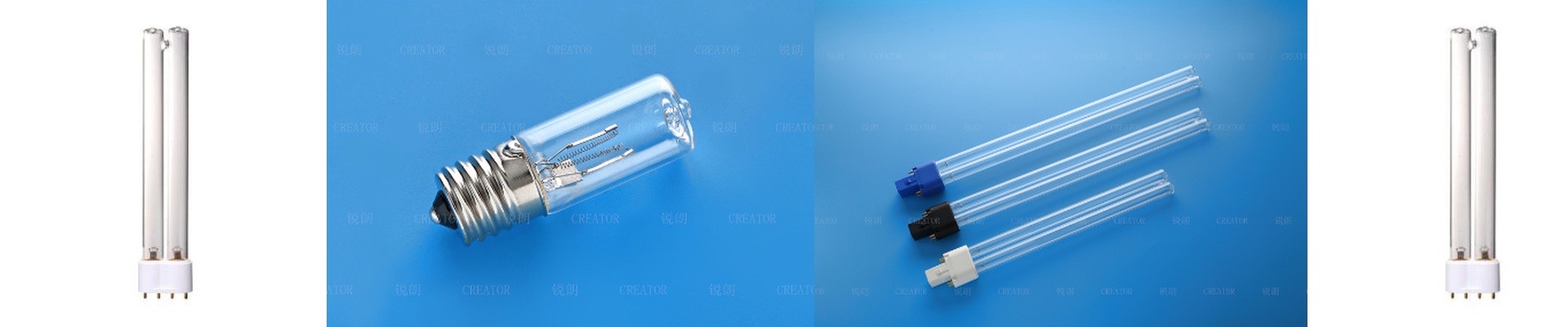
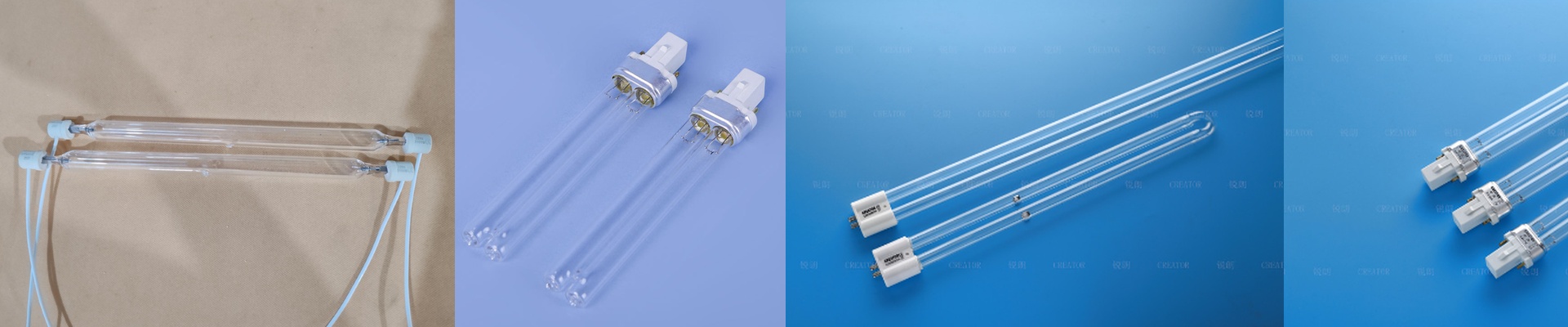
Our UV and IR tubes are built for the grind of a real industrial floor. We obsess over the wattage and voltage because we know the last thing you want is a fried ballast. Whether you’re curing something with shortwave UV or scrubbing a surface with medium-wave, it all comes down to the purity of the quartz and the gas mix we use. Now, a quick heads-up: high-wattage tubes put out a lot of heat.**A lot.**Just make sure your cooling fans are up to the task, or you’ll be replacing that tube way sooner than you’d like.
Materials That Actually Work
We use high-purity fused quartz so the light actually gets out instead of getting trapped in the glass. For the IR crowd, we can add coatings that shift the spectrum. This is great because it lets you hit your target material with heat without accidentally melting the substrate underneath it. And don’t worry about the setup. We stick to standard connectors like R7s or Sk15. They just slide right into your existing rigs. You won’t have to spend your weekend rewiring your entire machine just to get a new bulb working.
Why Factory-Direct Matters
Cutting out the middleman does more than just lower the price. Since we do the filament winding and vacuum sealing in-house, we have a lot more flexibility. Need a slight tweak to the length or voltage to fit a weird machine footprint? We can usually handle that without slapping a “custom order” premium on your invoice. You get a tube that can take a beating on a 24/7 production line, and your procurement costs actually stay manageable. It just makes sense.