The Truth About Custom UV Lamps
Here is the thing about UV lamps: they aren’t just parts you plug in and forget about. We spent 15 years obsessing over the tiny details—the chemistry of the electrodes, the purity of the quartz—just to get our output to match the big international brands. When you’re designing a custom system, it’s really a balancing act. You want maximum intensity, but you don’t want the lamp to burn out in a heartbeat.
Power, Heat, and the “Sweet Spot”
It all comes down to how much power you’re cramming into the tube. If you’re running a high-speed curing line, you need a specific amount of power per centimeter. If the substrate doesn’t get enough, it won’t cure. But if we push too many watts into a short tube? You’ll fry the electrodes. We spend our time calibrating the voltage and current to keep the arc stable. The goal is a steady, flat stream of UV light from one end of the lamp to the other. No dips, no surprises.
It’s All in the Materials
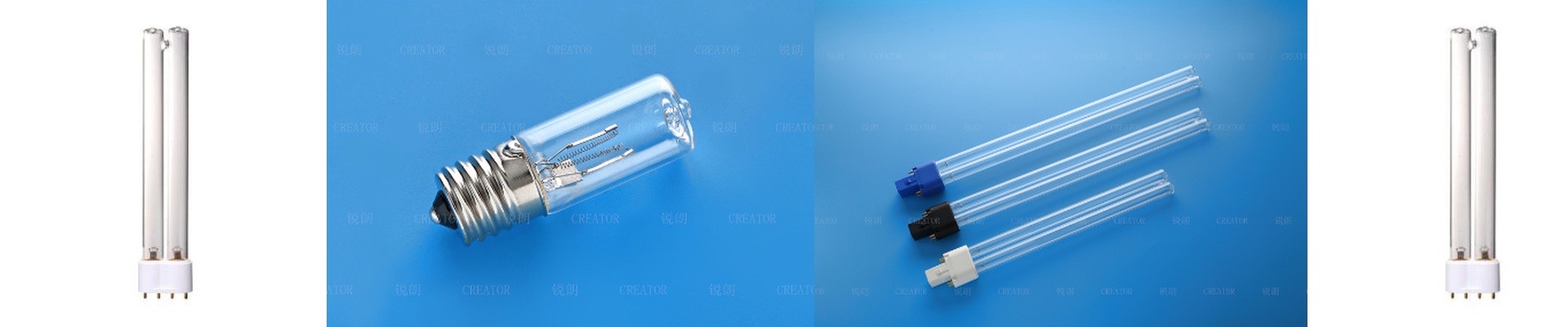
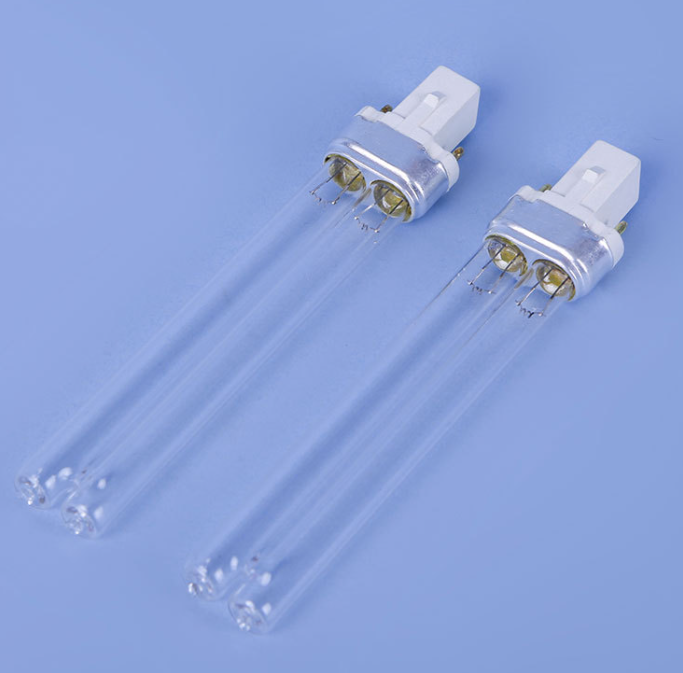
The quartz envelope is your first line of defense. We use high-transmittance fused quartz because we don’t want the glass absorbing the UV light—we want that light hitting your product. For some jobs, we add coatings to block out infrared heat. This keeps your materials from warping or melting under the pressure. Then there are the connectors. A loose pin is a nightmare—it leads to arcing and voltage drops that can kill your efficiency. That’s why we machine our end-caps to such tight tolerances. They should just slide right in, fitting perfectly into your existing setup.
Real-World Headaches
Custom lamps exist because “standard” usually isn’t good enough for specialized lines. Whether you’re bottling PET or coating electronics, the lamp has to keep up with your conveyor speed. Now, high-intensity lamps are great for fast cure times, but they run hot.Really hot. If your cooling system—whether it’s air or water—isn’t ready for that heat load, the quartz will simply crack. It’s a mess. That’s why we don’t just look at your electrical capacity. We design the lamp to fit the thermal reality of your shop floor.