Getting a Handle on 80W/cm Mercury UV Systems
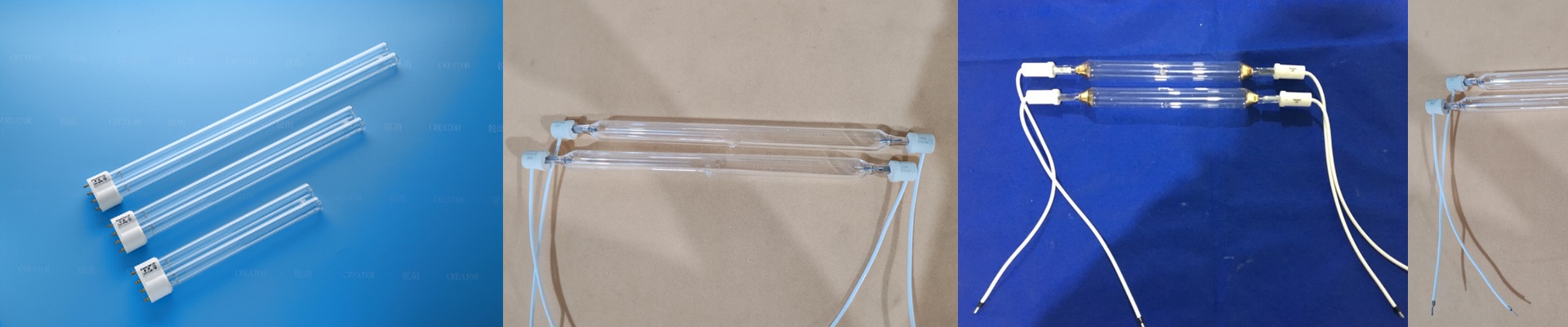
Most industrial curing shops rely on 80W/cm mercury UV lamps. They’re the heavy lifters—the kind of gear that hammers out the high-intensity UVC and UVB needed to dry inks and lock polymers in place, fast. But let’s be honest: for a lot of people, these lamps feel like black boxes. You flip the switch, hope for the best, and just pray the irradiance is where it needs to be. Usually, you don’t find out there’s a problem until a part fails QC and you’ve got a pile of scrap on your hands. The balancing act of power density When we talk about an 80W/cm spec, we’re really talking about a balancing act. You want enough punch to keep the line moving, but you can’t just crank the wattage forever. If you push too much power into the same space, you’ll cook the quartz envelope or fry the ballast. At 80W/cm, you get a concentrated blast of UV that slashes curing times. But you have to be careful. If your conveyor speed isn’t dialed in just right, you’ll end up scorching your substrates. It’s a fine line. Stop guessing, start monitoring We’re moving toward “smart” lighting, but here’s the secret: it’s not actually about the bulb. It’s about the data. We’ve been adding sensors that track power draw and spectral decay in real-time. Instead of staring at a calendar and guessing when a lamp is dead, you can just look at a dashboard. You’ll see exactly when the mercury vapor starts to dip. It means you swap the lamp because the data tells you it’s time, not because a manual told you to do it every few months. The catch Of course, nothing is free. Adding all this monitoring adds more things that can break. You’re putting data cables and sensors right in the middle of a high-heat, high-UV nightmare. If you use cheap shielding, the UV radiation will chew through your wire insulation in a matter of weeks. It’s frustrating. To stop the system from crashing, you need the heavy-duty stuff—PTFE-coated cabling and sensor housings with proper heat sinks. Your initial setup gets a bit more complicated and a bit more expensive, but you get way more uptime and a much clearer picture of your energy use. It’s a trade-off, but for most, it’s one worth making.