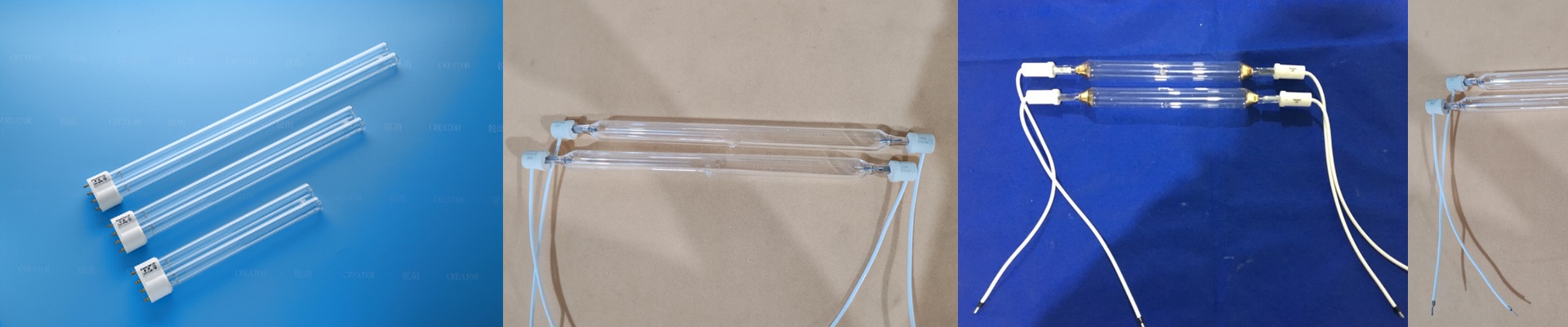
Getting the UV Spectrum Right (And Why It Actually Matters)
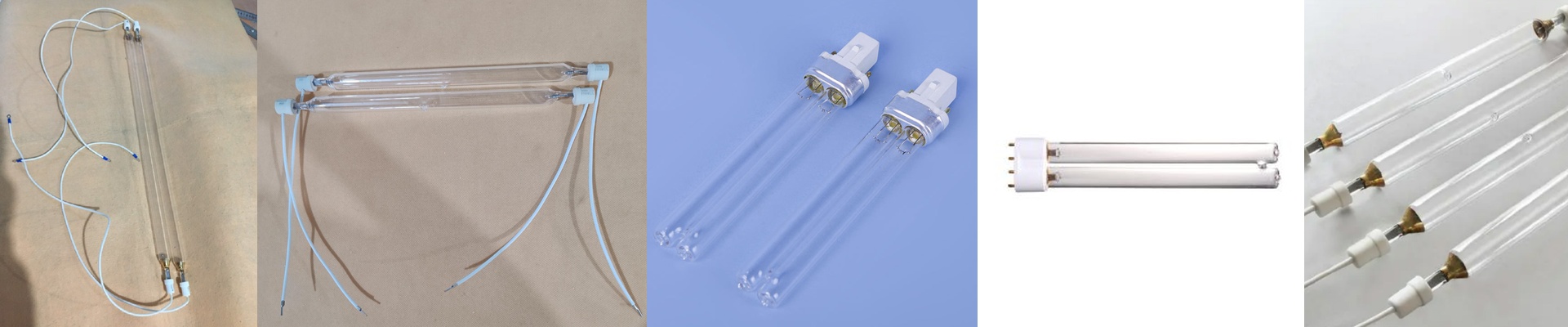
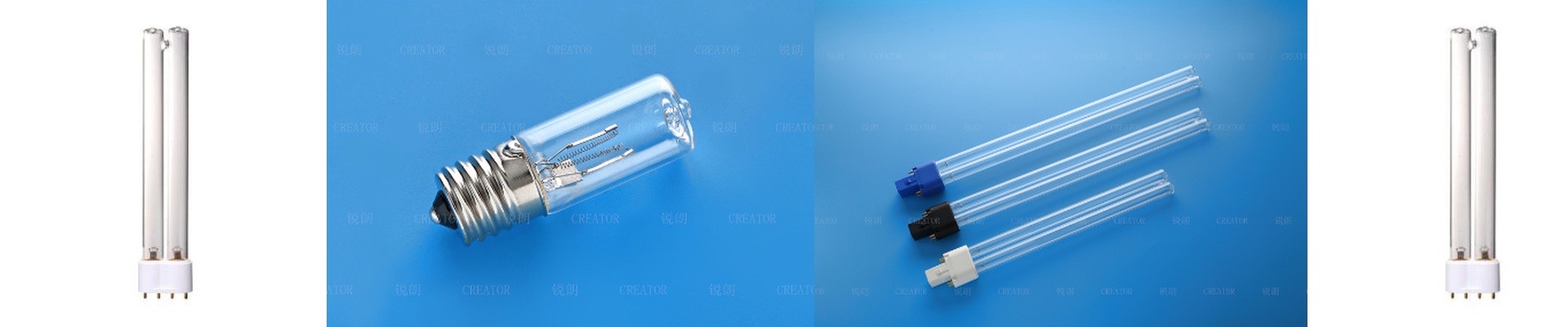
Most UV lamps just throw a broad wash of light at your product. For basic jobs, that’s fine. But if you’re doing high-end curing or industrial drying, “mostly okay” doesn’t cut it. We spent a lot of time in the lab figuring out how to tighten that energy concentration down to a 0.5% variance. This isn’t some fancy marketing claim. It’s about making sure the photochemical reaction happening on your material is exactly what you intended.
The trick to a steady arc
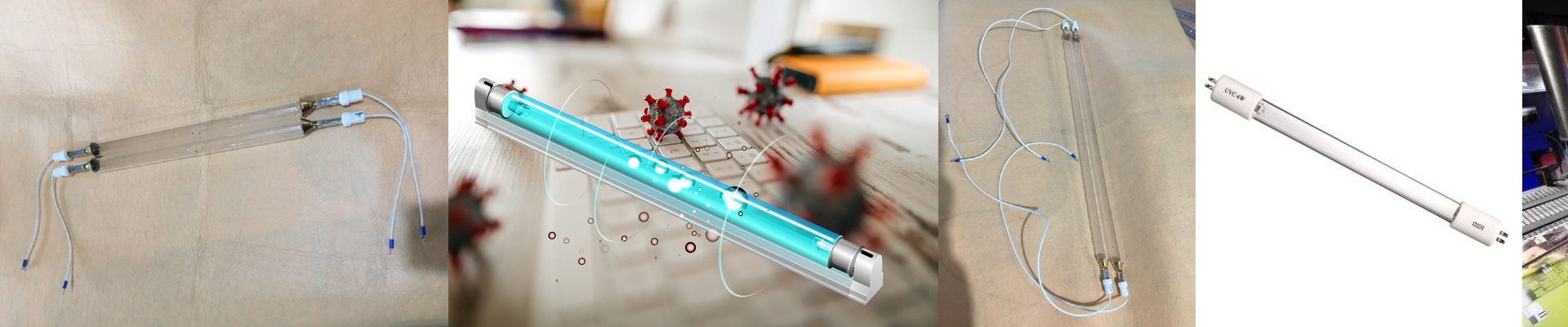
Inside a high-pressure mercury lamp, you’ve got a plasma arc. The problem is that if that arc drifts or the gas pressure jumps around, your energy distribution shifts. It’s unpredictable. To fix this, we got obsessive about the quartz envelope and the electrode geometry. We locked everything down to stabilize the arc. Now, that UV output hits the photoinitiator peak every single time. The result? Your cross-linking stays consistent across the entire part, whether it’s the middle or the edge.
The trade-off: It gets hot
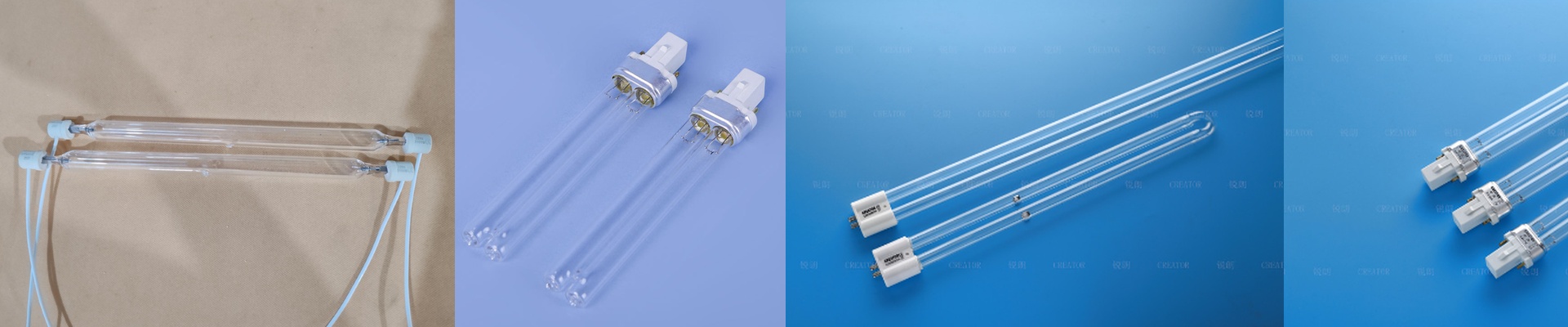
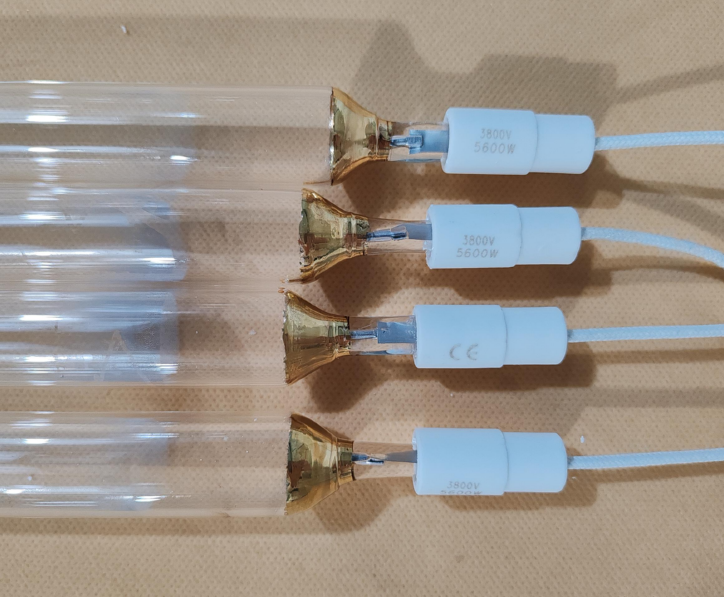
We use high-purity synthetic quartz because it stops “solarization.” In plain English: the lamp won’t turn brown or lose its punch over time. But here’s the catch. Pushing for this kind of precision means the lamp runs hotter.Really hot. You can’t just ignore the thermal load. If your cooling fans or water jackets aren’t up to the task, you’re going to fry your reflectors. Just make sure your cooling system can handle the heat density before you flip the switch.
Putting it to work on your floor
We made these as drop-in replacements. The footprint is the same as standard high-pressure setups, so you don’t have to tear apart your housings or rebuild your rigs. Just wire it into your existing ballast. But do me a favor: check your voltage stability first. If your power supply has a ripple in it, it’ll eat right through that 0.5% precision we worked so hard to build into the tube. At the end of the day, if you need the ten-thousandth part to cure exactly like the first one, the energy concentration is the only thing that really counts.