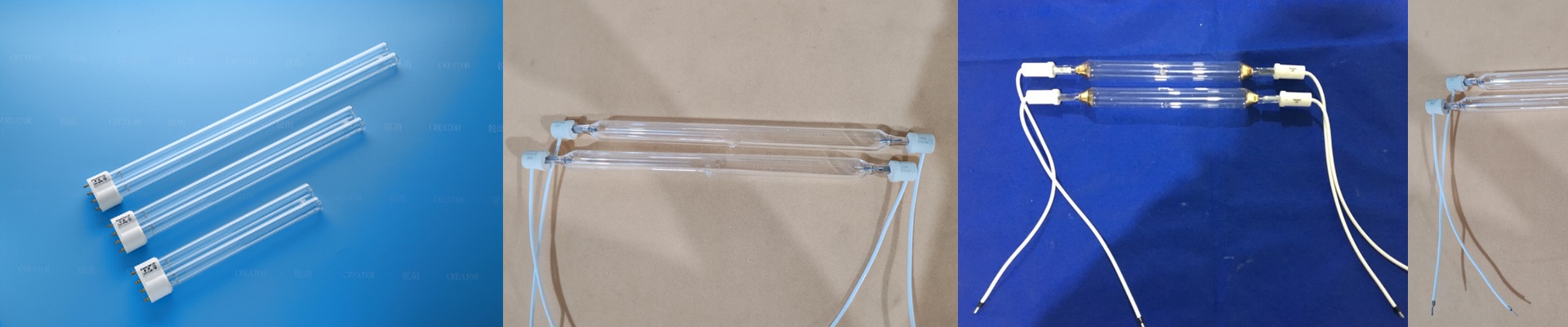
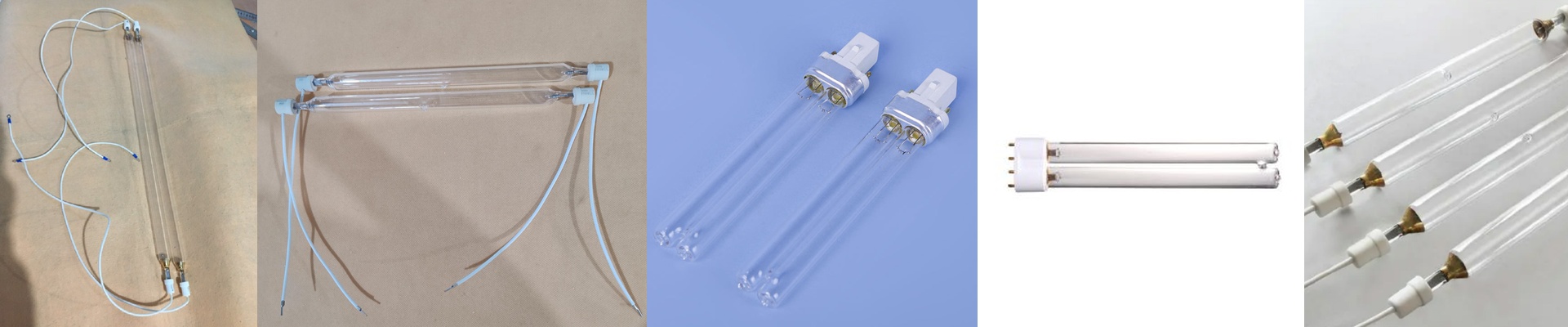
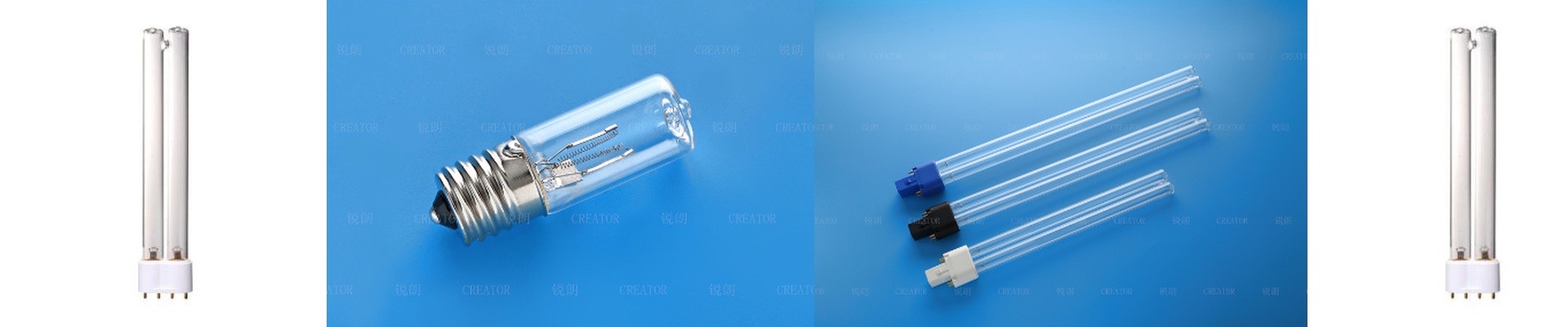
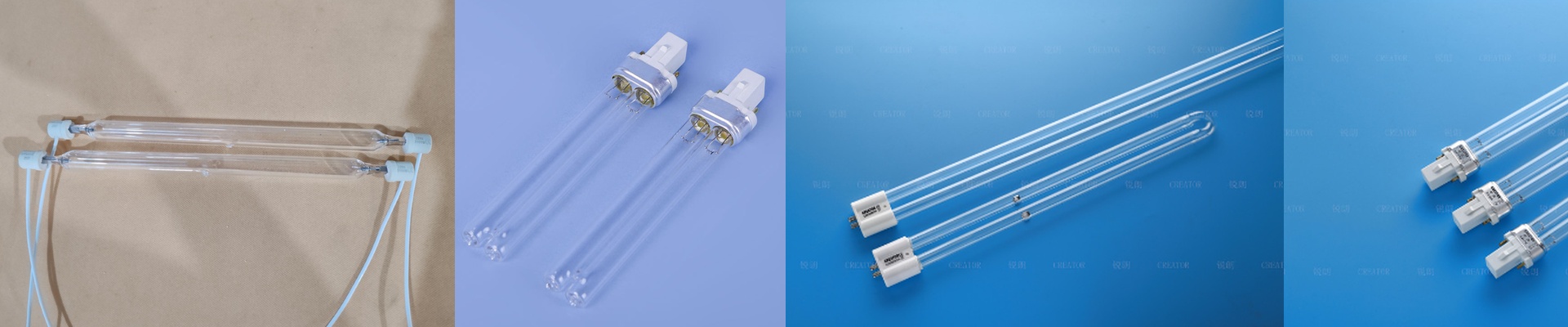
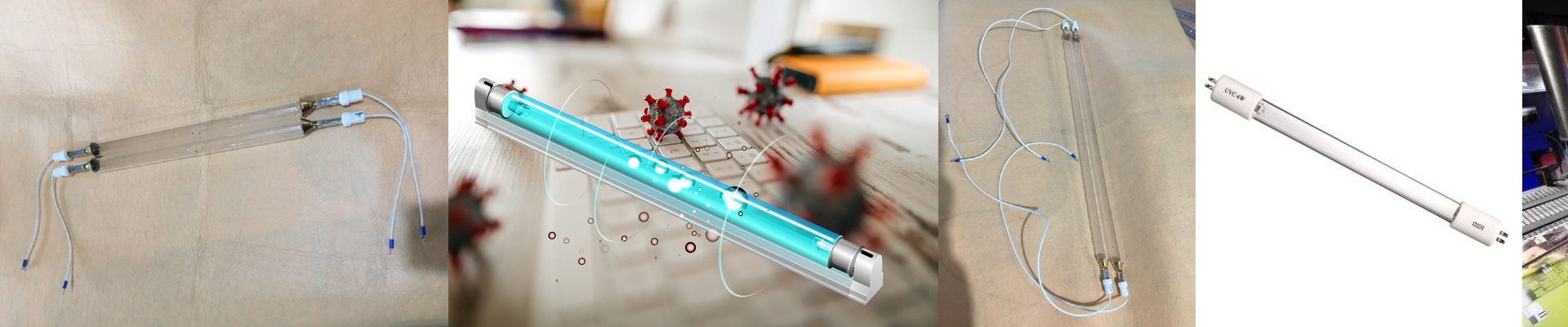
On a screen line, “print-and-cure” is only as real as your UV system’s ability to keep up. If the lamp can’t hit full spectral output in milliseconds, the ink stays wet. Registration drifts. Scrap climbs. A high-output germicidal UV lamp, built for fast ignition and a stable arc discharge, is what turns a stop-and-start run into continuous production. The core is simple to say and tough to execute. You need enough peak irradiance and the right spectral distribution to match the photoinitiator package. Our high-output mercury vapor lamps hold stable output across the germicidal line at 254nm while still delivering strong UVA intensity, so the surface and the full ink film cure together. In the field, the specs that matter are arc length, reflector geometry, and a dichroic coating that shapes the spectrum and keeps heat off the substrate. When the measured curing energy density is repeatable, you can lock in a process window and run it all shift. This matters on screen presses because line speed is set by curing, not by feeding. A fast-response lamp hits target irradiance quickly after each print stroke, so cross-linking happens on the mark and you can stack immediately. You end up with shorter makeready, fewer rejects from tack, and adhesion that stays consistent across colors. Energy use drops because the lamp spends less time idling and more time in steady state, and lamp life holds up when the ignition cycle is controlled and the reflector stays clean. One practical point: high-output lamps put real demands on the power supply, ignitor, and interlock wiring. Confirm ballast compatibility and lamp orientation, and budget for reflector maintenance. Handle the ozone-free quartz envelope carefully, and the system will deliver the output curve you need, shift after shift.