
Stopping the Flicker: Dealing with Electrical Noise in Big UV Lines
If you’ve got a handful of large printing presses running in one shop, you know exactly how messy the electrical environment gets. It’s chaotic. All those UV ballasts switching at high frequencies create a ton of electromagnetic interference (EMI). If your lamps aren’t built to handle that noise, you’ll start seeing it. The lights flicker. Lamps burn out way too early. Or worse, your curing depth starts acting erratic, and suddenly you’ve got a quality control nightmare on your hands.
How we keep things steady
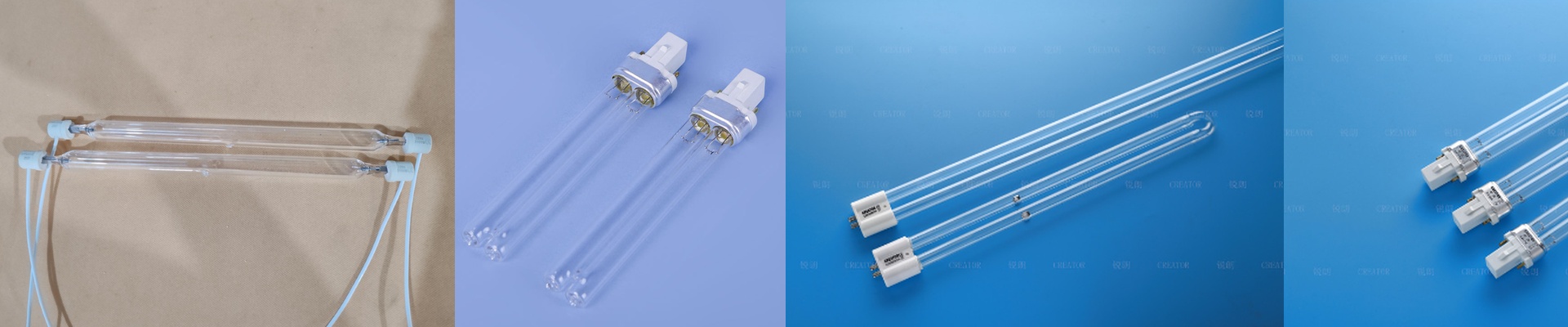
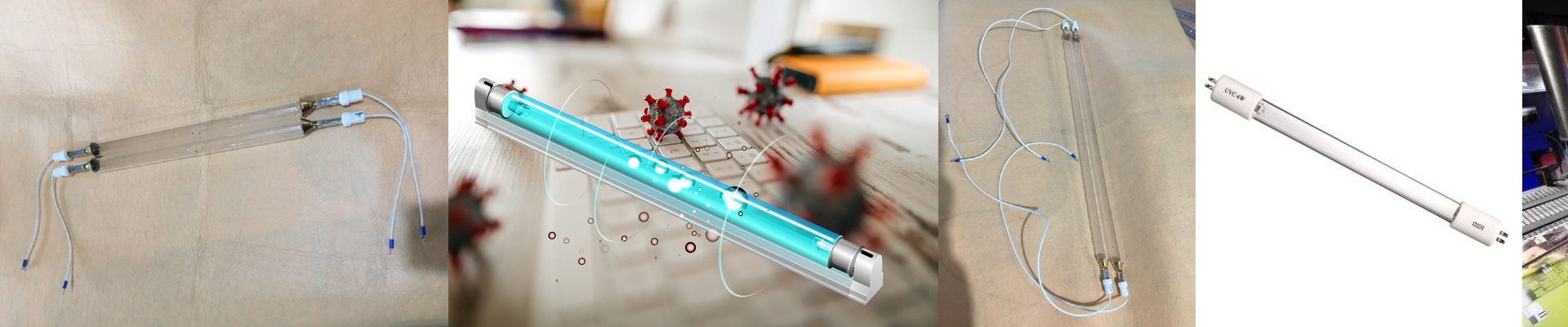
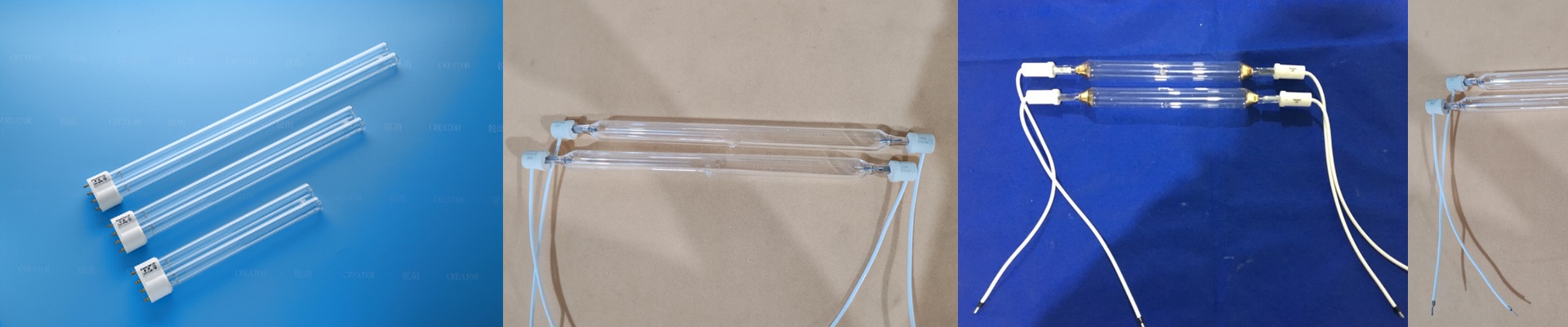
We build our custom UV lamps to thrive in these kinds of loud environments. Most of the trouble comes from the power supply’s switching frequency leaking into the line. To stop that, we use shielded cabling and integrated filtering capacitors. Think of it like a sponge—it soaks up the electrical noise before it ever reaches the electrode. Then there’s the balance between the ballast and the lamp. If that drifts, the lamp arcs. It’s a pain. We keep our component tolerances tight so the arc stays rock-solid, even when the heavy machinery around you is kicking on and off all day.
The real-world trade-offs
When you have five or six presses humming along at once, that cumulative noise can actually trip your sensors or cause “ghosting” in the cure. To fix this, we keep the UV power stage and the control logic in their own separate lanes. It keeps the curing intensity flat and predictable. Now, there is a catch. Adding this kind of heavy-duty shielding and filtering makes the power unit a bit bigger. The lamp head gets a little heavier, too. Just double-check that your current gantry or mounting brackets can handle the extra weight before you swap them out.
Getting it on your floor
The best part? These are designed as drop-in replacements. You just wire them into your existing power rails and let the internal filtering do the dirty work. You don’t have to tear open your walls or rewire the entire shop’s electrical grid just to stop your lamps from flickering. It just works.