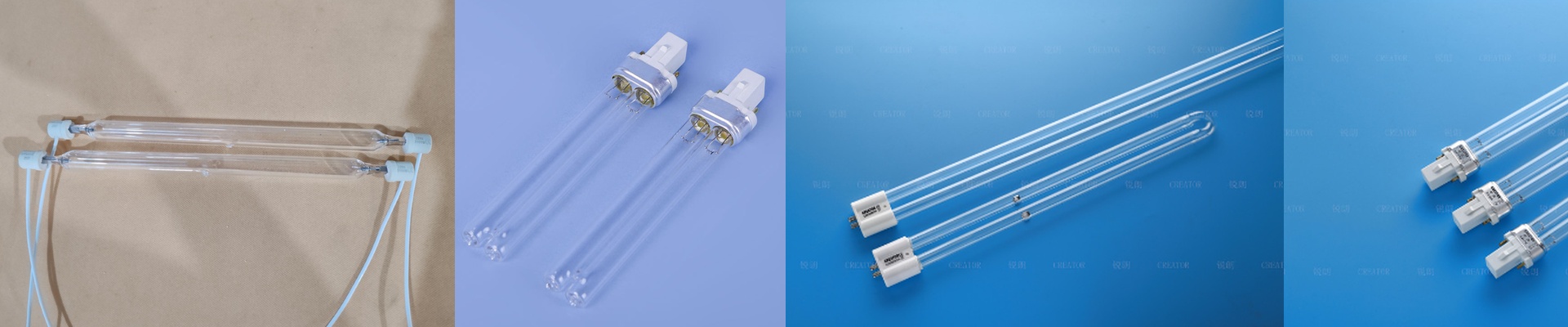
On a press that runs nonstop, a lamp failure rarely screams for attention. It shows up as a pile of rejects—ink that’s still tacky, registration that drifts on the re-run, and a line manager watching minutes slip away. When you’re shipping into automotive, electronics, or premium packaging, “good enough” curing doesn’t cut it. You either have repeatable performance, or you have scrap with a price tag. That’s why CE certification isn’t just paperwork. It’s a technical passport: proof the lamp was designed, tested, and audited against a defined baseline for safety and electromagnetic control. For a UV lamp, that passport is what gets you into the high-end markets where traceability, risk control, and audits are non-negotiable.
The technical levers: spectrum, energy, and stability
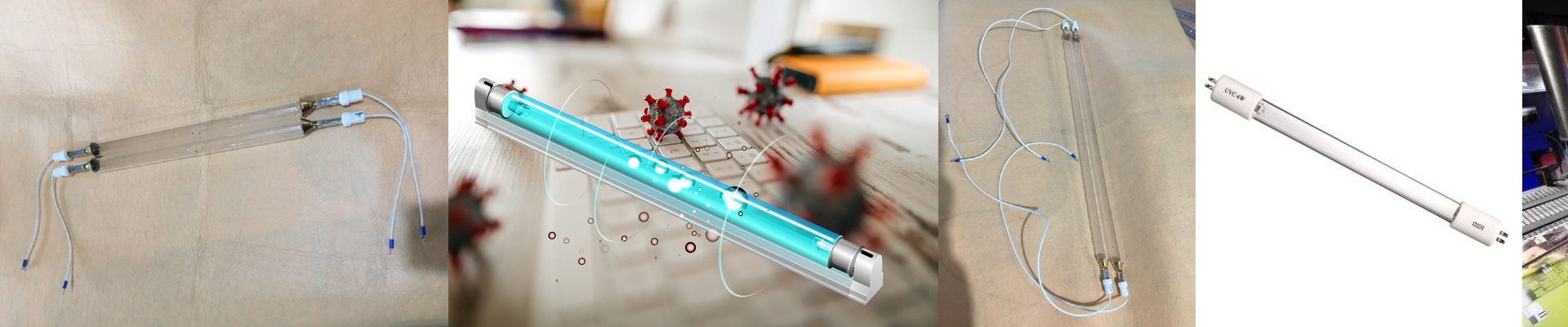
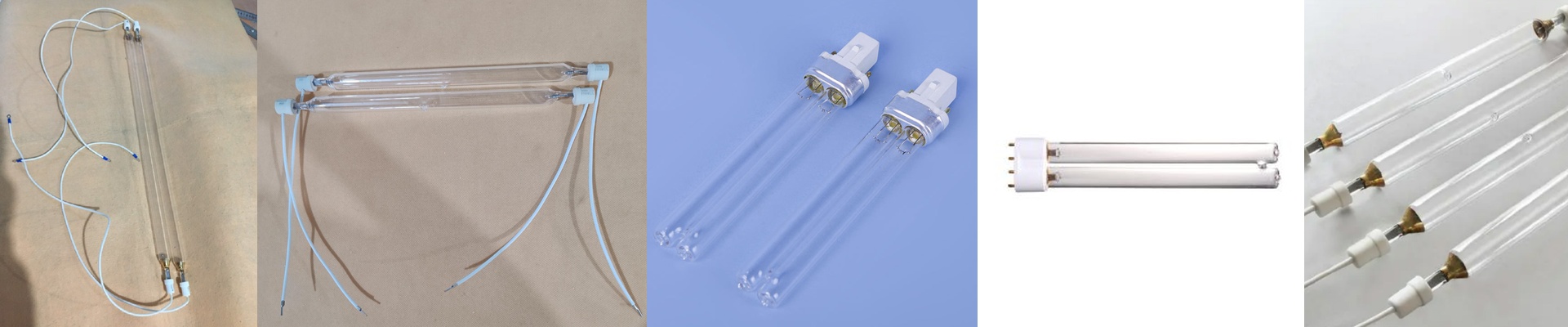
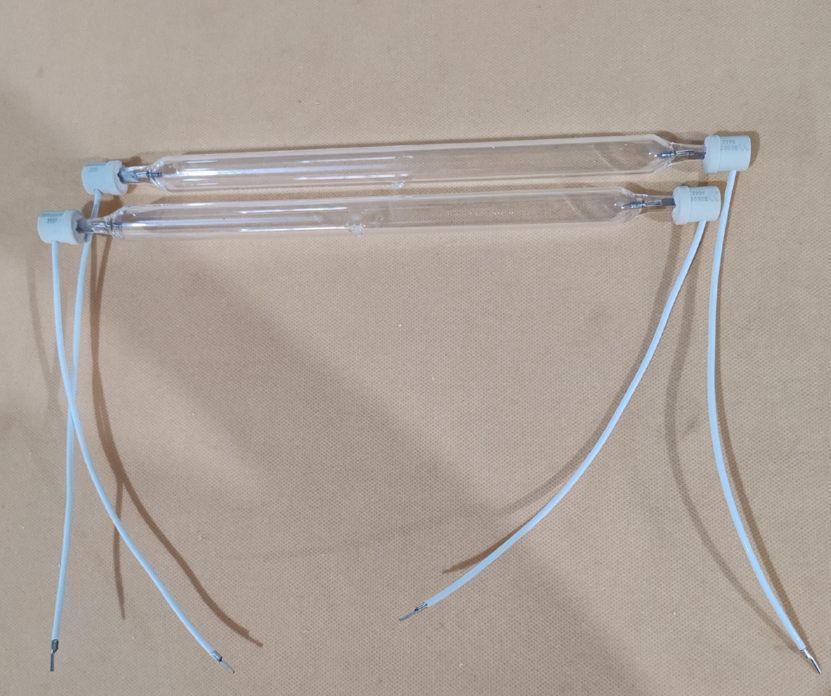
A UV lamp isn’t just a light. It’s a photochemical trigger. The ink’s photoinitiators respond to specific wavelengths, and the curing window comes down to spectral output, peak irradiance, and delivered energy density. We build the Pondmaster UV lamp bulb as a high-pressure mercury vapor lamp with a controlled arc length and a stable spectral profile. The dominant emission lines sit around 365 nm, with additional output across the broader UVA band. For many offset, flexo, and screen ink systems, that balance drives cross-linking through the surface and the bulk—not just a skin cure. The practical parameters you live with:
- Spectral output: A strong 365 nm line plus UVA continuum. This helps with pigmented systems that need deeper penetration, and with clear overprints where surface cure can’t come at the cost of adhesion.
- Peak irradiance: High enough to keep pace with press speed, so you don’t have to slow down to keep cure energy up.
- Energy density (mJ/cm²): The dose that actually reaches the substrate. Too low, and conversion is incomplete—residual monomers linger. Too high, and you risk heat load and yellowing.
- Lamp life curve: Output decay is inevitable; the design goal is predictable decay and consistent ignition stability over thousands of hours. The reflector assembly is part of the performance, not an afterthought. A well-matched reflector concentrates output onto the web or sheet and keeps stray radiation from heating bearings, sensors, and thin films. We specify reflector geometry and surface coating to hit the target width with uniformity—not just a bright spot in the middle.
CE opens the door; lamp selection keeps the process honest
CE certification is the gate for market access, but once you’re through that gate, it’s the lamp’s engineering that keeps the process stable. In high-end markets, you’re expected to show due diligence: documented safety, controlled emissions, and repeatable performance. A CE-marked UV lamp simplifies audits because it gives you traceable product identity, defined operating limits, and a tested system approach—lamp, igniter, and reflector as matched components. That cuts qualification time and keeps you from scrambling during line audits. But compliance alone won’t keep rejects off the floor. The lamp still has to match the printing process.
Offset, flexo, and screen: different stresses, different lamp choices
Different printing methods put different demands on the cure system. If you want stable results, lamp selection isn’t interchangeable. UV offset (sheetfed and web)
- Heat is usually the constraint: thin substrates, heat-sensitive coatings, and tight register.
- We match the lamp to a narrow curing width and high peak irradiance so you can cure at press speed without soaking the sheet.
- The target is rapid cross-linking with minimal substrate temperature rise, so you get immediate stackability and consistent ink transfer on follow-on passes. UV flexo (narrow web and wide web)
- The constraint is speed plus ink film thickness: you can run very fast, but the ink layer may be thin and sometimes low-pigment.
- A stable, high-output lamp with controlled spectral output helps cure thin films without overexposing the substrate.
- Reflector width and intensity uniformity matter because banding and mottle often trace back to uneven irradiance across the web. UV screen (thick deposits, specialty inks)
- The constraint is ink thickness: screen inks can be laid down much thicker, which demands deeper penetration and enough energy to cure through the full deposit.
- A lamp that emphasizes robust UVA output and sufficient total energy density helps you avoid “skin cure”—a hard surface over uncured material underneath.
- This matters for functional prints, industrial overlays, and specialty coatings where cure depth directly affects adhesion and durability. When the lamp matches the process, you see it in the numbers: fewer speed reductions to “force” cure, less off-spec gloss, and fewer adhesion failures after secondary operations.
Matching, installation, and the constraints you can’t ignore
A UV lamp is a system component, not a standalone consumable. It has to work as part of a matched set—printer curing station, igniter, and cooling.
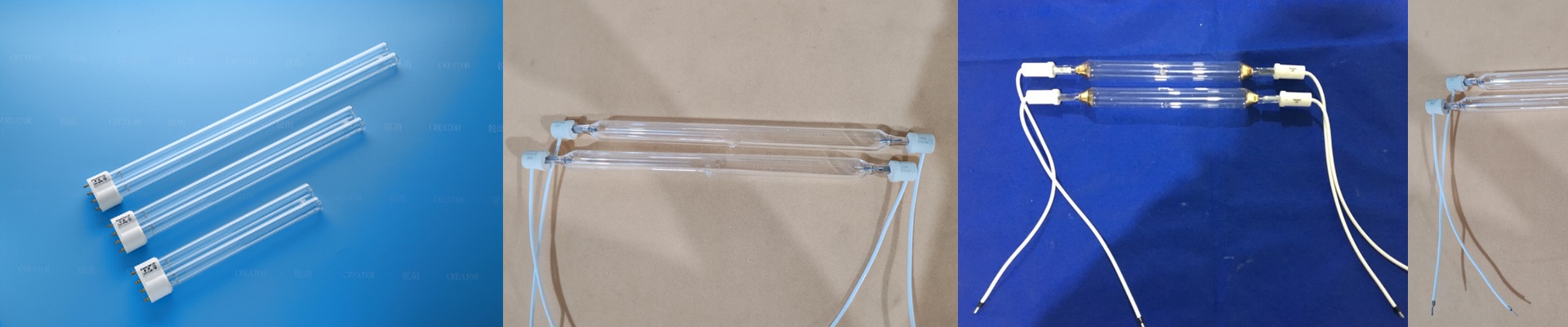
- Printer compatibility: Lamp length, arc length, and mounting have to match the curing module. If the machine uses a specific end-fit, reflector geometry, or airflow pattern, the lamp needs to replicate those interfaces. Mismatch leads to misalignment, hot spots, and premature failure.
- Spectral expectation: If your ink chemistry is tuned to 385 nm or 405 nm, a standard high-pressure mercury lamp centered on 365 nm can still work—but you may need different speeds or lamp positioning. Confirm against the ink supplier’s cure profile and your own dose measurements.
- Ozone management: High-pressure mercury lamps can generate ozone. Many installations need an ozone-free design or an external ozone purge. Check the lamp’s envelope and cooling arrangement so ozone is controlled where operators are working.
- Thermal reality: Even with reflectors and air cooling, UV lamps throw off significant heat. If you’re running thin films, pre-dried coatings, or heat-sensitive substrates, monitor substrate temperature and adjust lamp height, airflow, or speed. There’s no substitute for measuring thermal load at full press speed. One practical trade-off: higher peak irradiance can narrow the process window. More power cures faster, but it also raises the risk of substrate distortion or heat-related defects if cooling and dwell aren’t balanced. The answer isn’t “max power.” The answer is matching lamp output to substrate, ink, and line speed—then verifying with a radiometer at the substrate plane. If you’re aiming for global high-end markets, start with the right passport: a CE-compliant design that meets auditable requirements. Then pair it with a lamp engineered for stable spectral output, repeatable energy density, and predictable life. That combination cuts downtime, tightens quality, and keeps the press running the way it was designed to run.