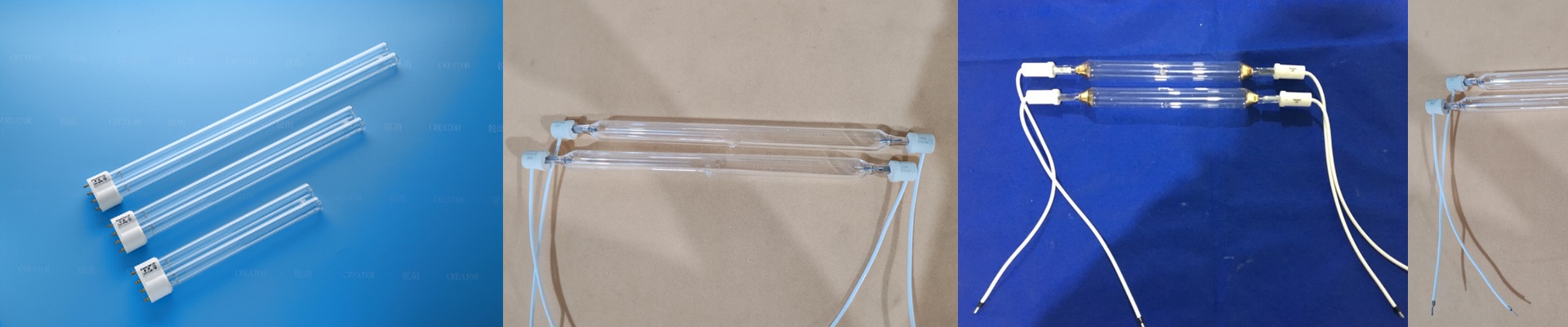

Stop Letting Electrical Noise Kill Your UV Lamps
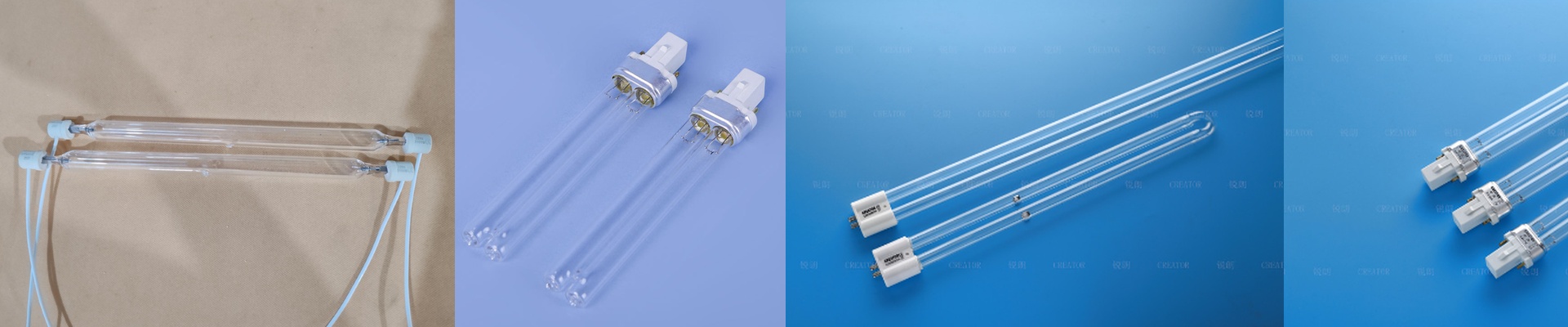
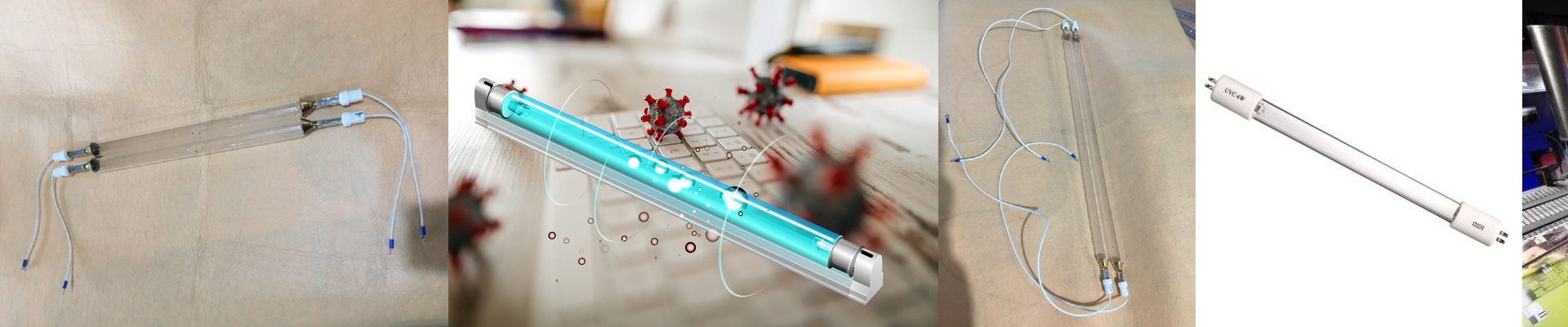
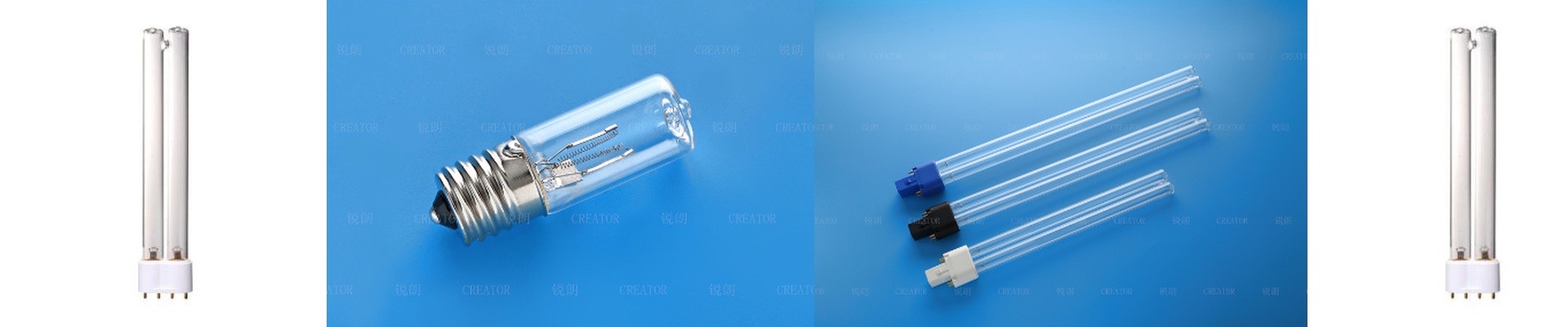
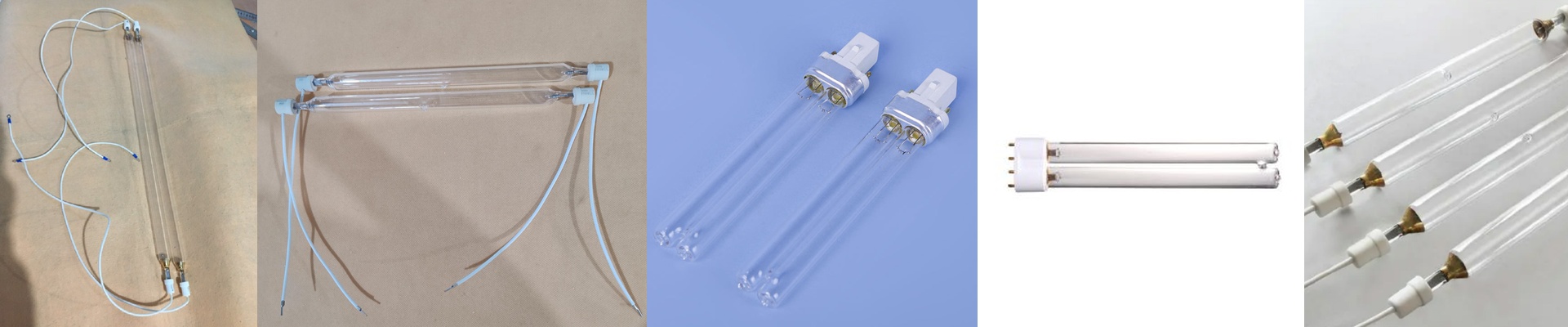
If you’ve ever spent time in a heavy-duty print shop with a row of massive presses, you know the vibe. It’s loud, it’s hot, and the electricity in the air is practically buzzing. When you’ve got high-power motors and frequency converters all firing at once, you get what we call “electrical noise” (or EMI). For most UV lamp ballasts, this is a nightmare. You’ll see the lights flicker, bulbs will burn out way too early, or—worst case—the whole system just quits on you right in the middle of a run. Here is how we fix that. Most UV lamps just can’t handle the power swings that happen when heavy machinery kicks in. They get twitchy. We solved this by tweaking the electrode chemistry and the gas mixture inside the bulb. It sounds technical, but basically, it keeps the arc stable. When a bulb can’t handle those voltage spikes, the arc starts to wander. That means your UV-C output becomes uneven, and you’re not getting the sterilization you need. We built our tubes to keep a steady plasma discharge, even when the power grid in your plant is acting up. Making it work in the real world When you’re dropping these into a line of printing presses, you aren’t just fighting electrical noise. You’re dealing with constant vibration and heat. We designed these as simple drop-in replacements. You don’t need to tear apart your walls or overhaul your shielding to make them work. The real win here is peace of mind. You won’t have to stop production and swap out a tube just because the press next door shifted gears and sent a surge through the line. It just stays on. One quick heads-up There is a catch. To get this kind of stability, you can’t cut corners with your power source. If you try to run these on cheap, unshielded ballasts, you’re throwing away the benefits. The glass and electrodes are engineered for a specific level of performance, so your power supply needs to match the bulb’s impedance. If the ballast is too small or low-quality, you lose that “shield” against interference. Get the right pairing, and you’re set.