The Power Behind the Print: A Real-World Look at These UV Lamps
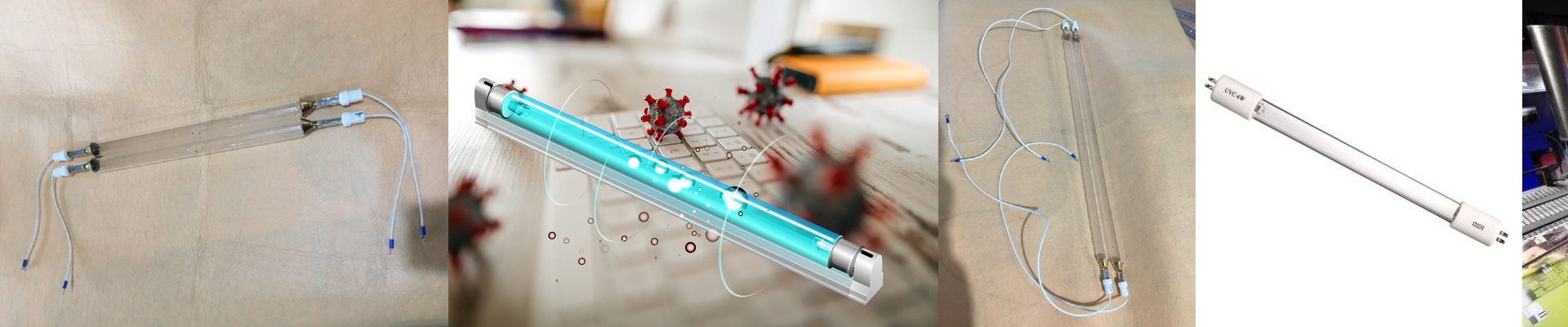
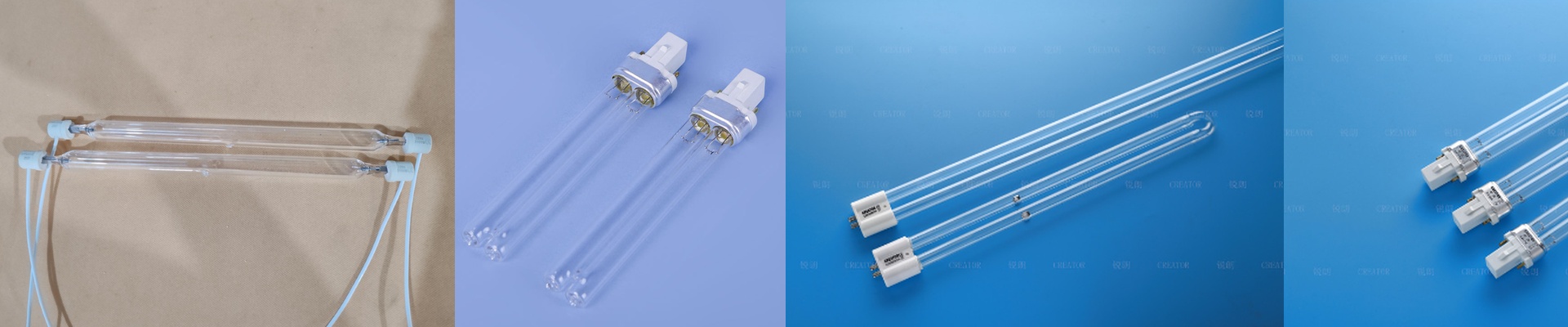
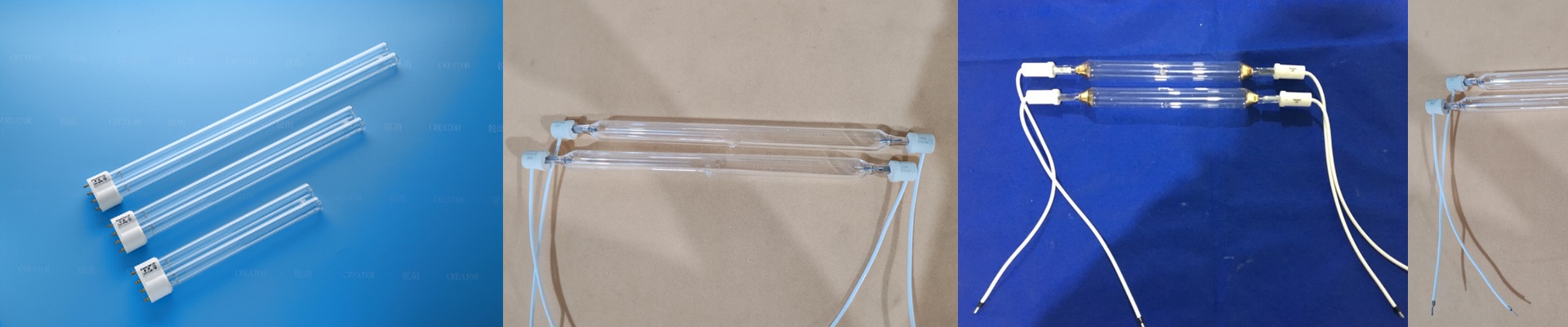
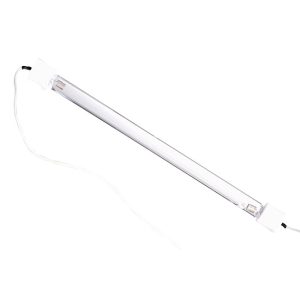
Let’s get into the nitty-gritty of what makes these mercury UV lamps tick. They’re not built for a quiet office; they’re engineered for the grit and grind of a textile printing line, where the pressure is on to cure ink and keep things moving. We designed them to be a powerhouse in a small package. You’re looking at a 400V supply that fires up the arc instantly and keeps it rock-steady. That’s paired with a 2500W rating, which cranks out the kind of heat density you need to set inks fast. The dimensions are deliberate too—300mm long and just 10mm in diameter. They slide right into standard UV curing modules, so you can swap them out without having to rework the whole reflector setup. It’s a straight-up, drop-in replacement that keeps your line humming.
What’s Inside: Built to Last
The secret to their long life is in the materials. The tube itself is a quartz envelope, filled with a halogen gas. That combo is key. It keeps the quartz from getting gunked up and extends the lamp’s stable life by preventing soot from building up on the walls. The UV output is tuned for shortwave, which is exactly what you need for that rapid, rock-solid photopolymerization of printing inks. And for the electrical connection, we went with the R7s connector. It’s a proven, compact workhorse that can handle the current. It makes a quick, reliable connection that won’t loosen or arc, even when the end of the lamp is running hot.
On the Floor: Where It All Comes Together
Out on the shop floor, this lamp is the heart of textile printing lines, curing pigments and coatings on fabrics. The sheer power of it means you can shorten the dwell time and crank up your line speed. It’s a noticeable difference. And because it’s so compact, it fits into those tight reflector assemblies without a fight. Here’s the one thing to keep in mind: that 2500W density is serious, so your cooling and ventilation need to be up to the task. But if you run it within those specs, you get consistent, reliable curing performance. Fewer surprises. Fewer unplanned changeouts. Just steady, dependable work.