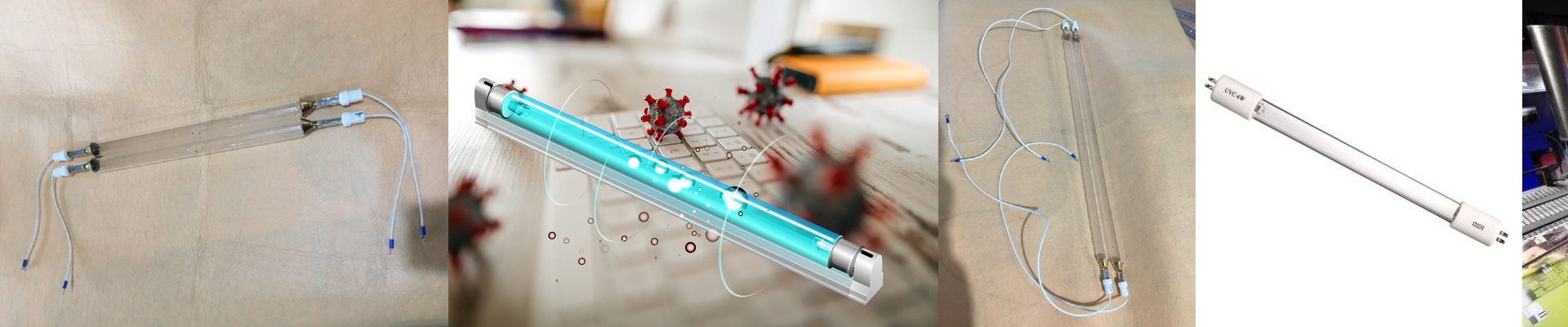
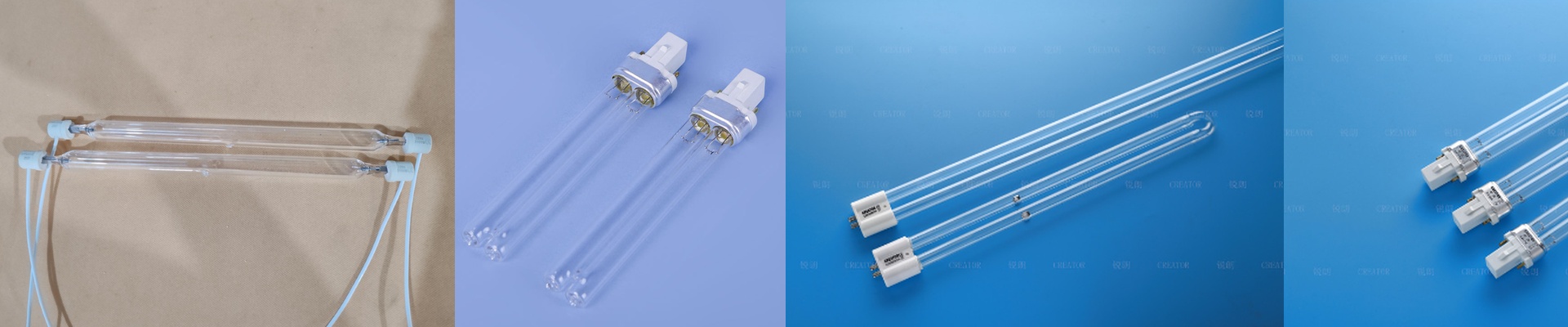
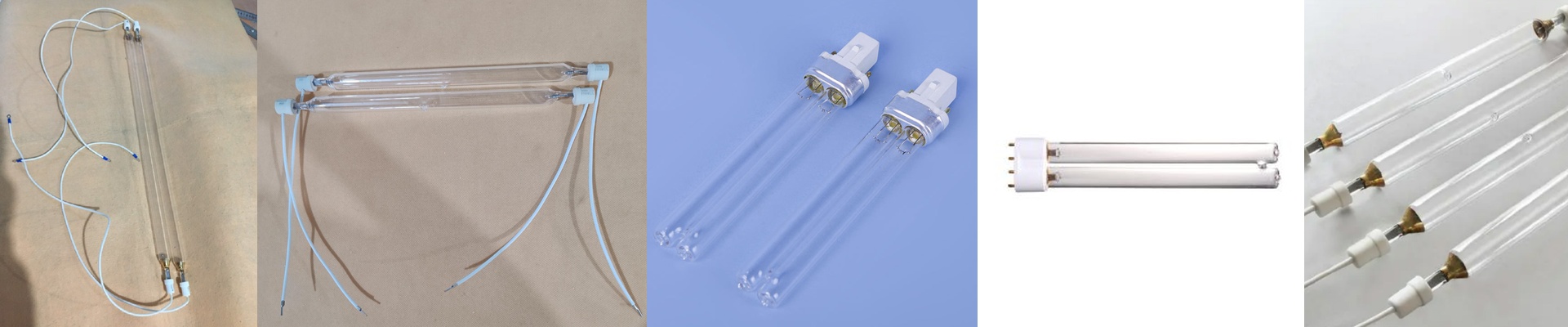
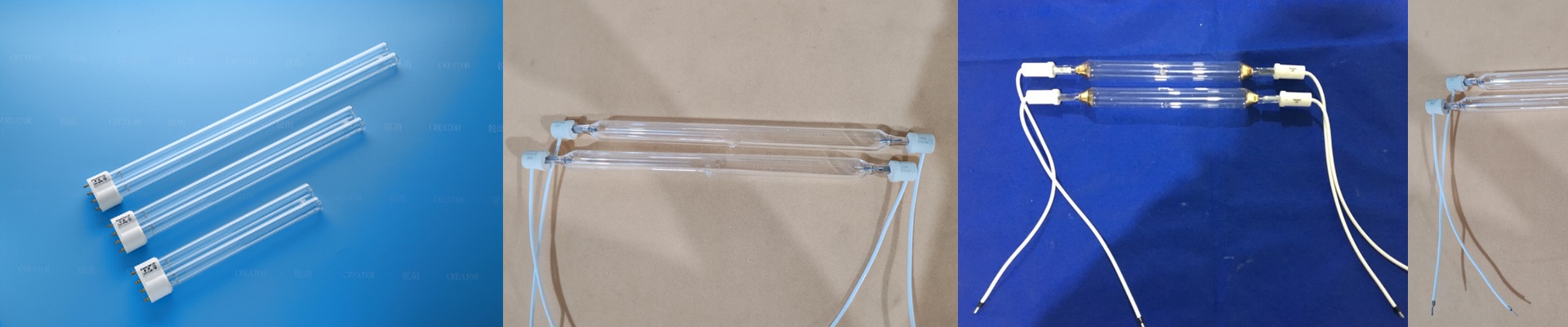
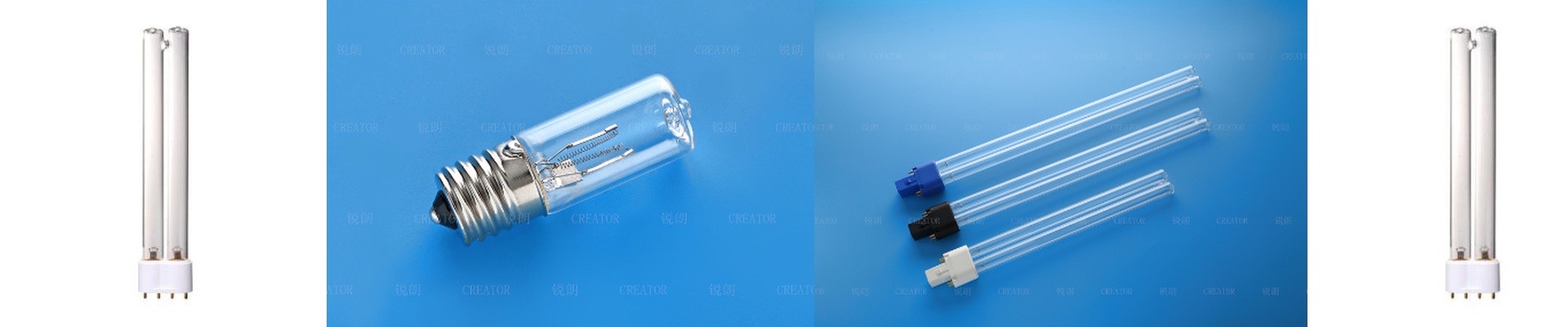
When an M&R or KTK press lamp goes down, the whole line stalls. You get queues, wet ink that won’t set, and rework climbing fast. We build UV LED curing lamps as true 1:1 replacements. Same footprint, same mounting, same electrical interface. Swap it in and run—no machine modification. What matters is what the radiometer shows. We hold peak irradiance and spectral output across the photoinitiator window, with tight control at 365nm, 385nm, or 405nm depending on the ink chemistry. Output stays stable over life, thanks to low-decay emitters and a reflector geometry that keeps uniformity across the cure window. You get consistent energy density, predictable cross-linking, and fewer marginal cures at line speed. Here’s why it sticks on the floor: uptime and cost control. The lamp drops in, aligns to the same focal plane, and delivers the same cure profile, so cycle times and reject rates don’t slip. Energy draw is lower than mercury-based systems, and with long life and low attenuation, replacement frequency drops. You keep adhesion, surface finish, and throughput stable—without re-validating the press. A few things to get right before you order:
- Verify the exact connector.
- Confirm water-cooling or air-cooling.
- Make sure the interlock requirements line up. Match the UV LED wavelength to your ink’s photoinitiator absorption. If the spectra are off, you’ll under-cure no matter the power. And confirm the cure window width and the required dose at your top line speed. Peak irradiance needs to be sufficient—headline wattage alone won’t cut it.