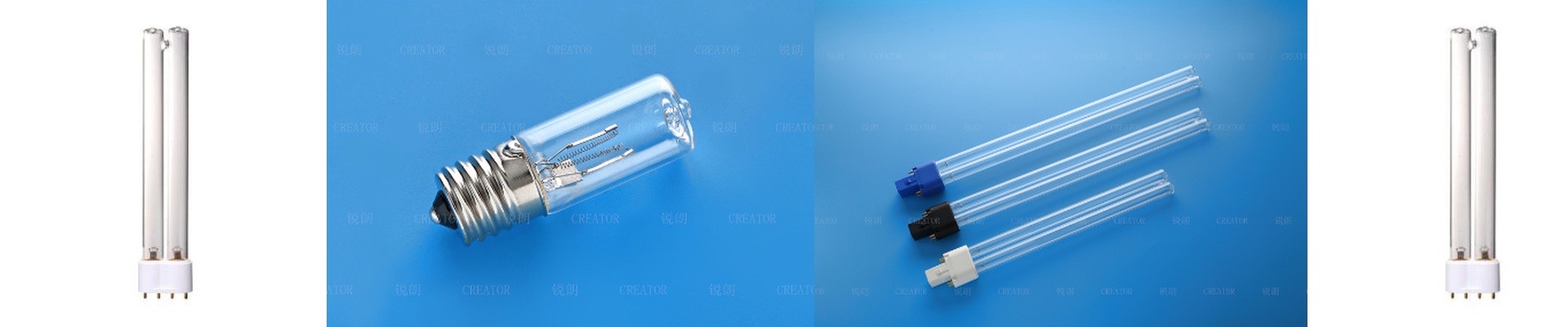
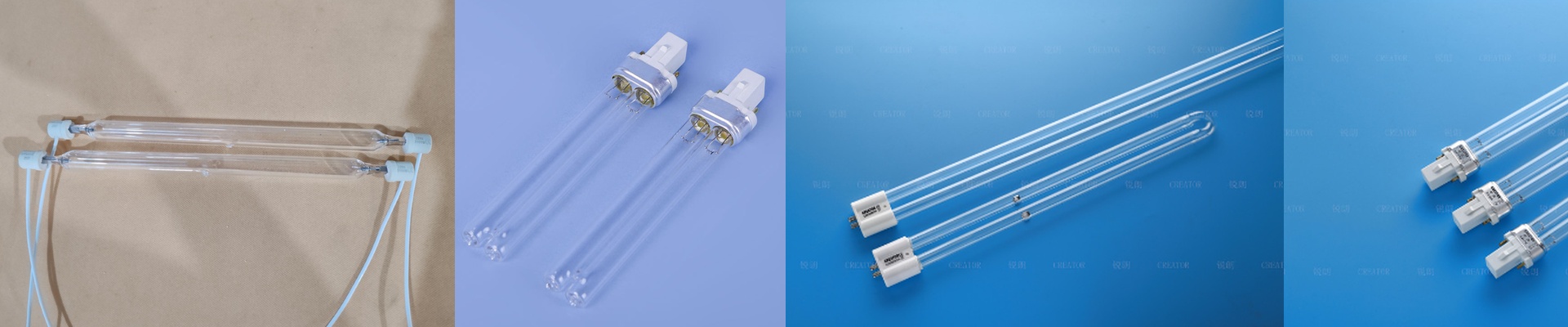
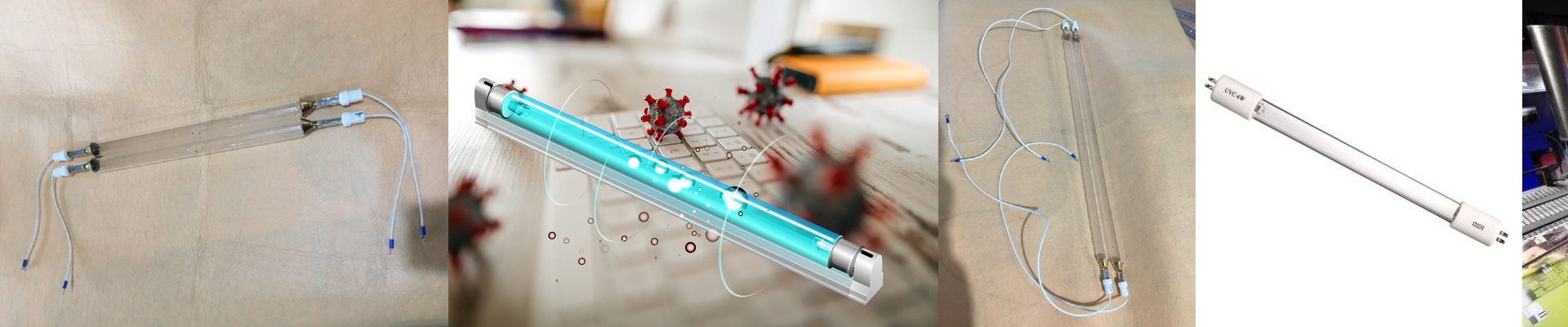
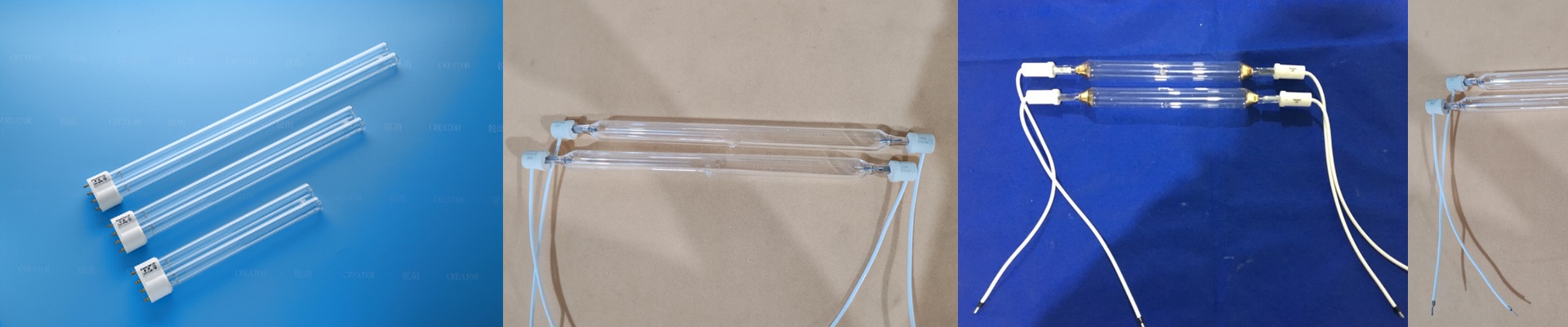
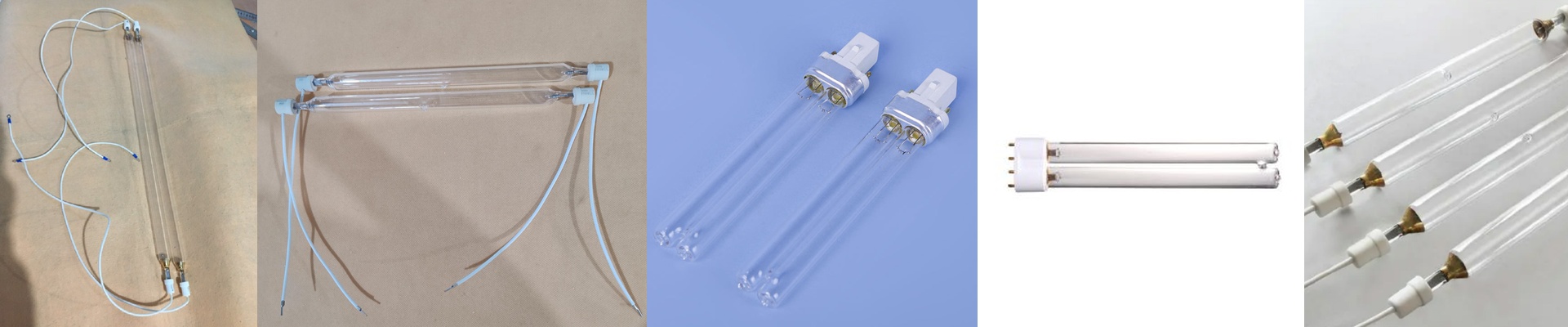
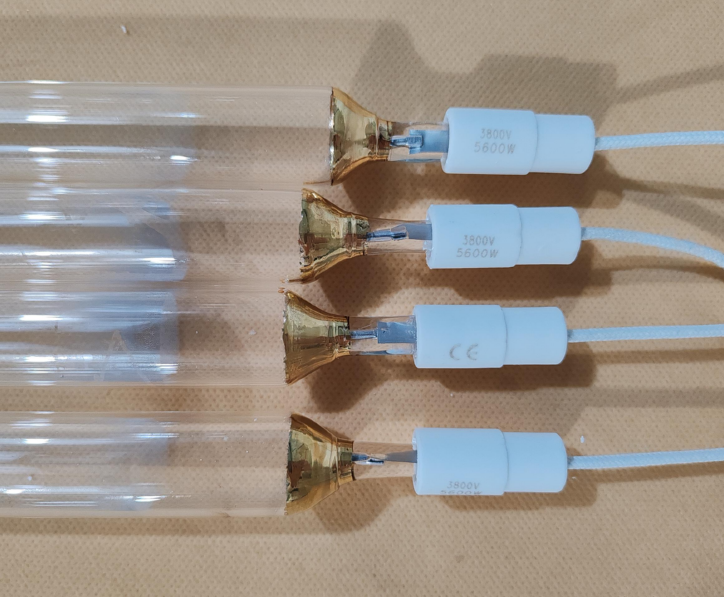
When a foreign OEM stretches lead time out to a month, your line can’t sit and wait. Speaker assembly schedules are locked, adhesives have a clock ticking, and every hour of downtime is lost output you can’t make up. We built our UV lamp supply around that reality: if you need a custom match, we get it built and shipped in seven days. If it’s a standard configuration, it goes out from our local inventory the same day.
What actually matters: power, spectrum, and throughput
On a speaker line, UV curing isn’t just “turn the lamp on.” It’s about delivering repeatable energy density to the adhesive so the bond sets fast, holds tight, and doesn’t yellow down the road. For speaker work, we size and specify lamps around three measurable outputs. **Spectral output and wavelength choice.**Most epoxy-acrylate and urethane-acrylate adhesives used in speaker bonding are driven by the 365 nm line from a high-pressure mercury vapor lamp. We match the lamp spectrum to the photoinitiator absorption window so cross-linking happens quickly and evenly across the bond line. If a formulation is optimized for longer wavelengths, we can spec 385 nm or 405 nm. But 365 nm is still the default when you need deep-cure reliability on typical speaker gasket and magnet adhesives. **Peak irradiance and curing energy density.**Peak irradiance (mW/cm²) sets how fast the surface and near-surface layers cure. Energy density (mJ/cm²) determines whether you get full cure through the entire adhesive thickness. We pair lamp and reflector so you hit the target mJ/cm² in the dwell time you actually have. If you increase line speed, we adjust power and optics to keep the same energy density at the substrate. No guesswork. **Lamp power and stability.**Power is watts per unit length, not a marketing number. We size the lamp to the cure zone width and the irradiance profile you need. Stability matters more than brute output: the lamp has to hold steady over long runs so cure quality doesn’t drift. We track output decay and set replacement schedules based on measured dose, not a calendar. **Reflector efficiency and optical control.**The reflector is doing real work. A properly engineered dichroic-coated reflector boosts usable UV by redirecting energy back onto the adhesive while suppressing excess IR that heats plastic parts. The payoff is higher effective irradiance at the bond line without overheating the speaker housing. **Lamp life and maintenance predictability.**High-pressure mercury lamps degrade with ignition cycles and total operating hours. We design for long, stable runs and we’re upfront about what to expect: expected hours to end-of-life, the output drop thresholds, and when to schedule replacement so you avoid quality excursions.
Why this works: from a month-long wait to seven-day readiness
Speaker lines run on cadence. Gasket bonding, magnet potting, cone attachment, wire termination—all timed. When a UV lamp fails or is mismatched, the bottleneck hits immediately. We cut through the procurement lag that foreign OEM chains create. **Fast configuration, not guesswork.**You give us the adhesive type, cure width, line speed, and substrate geometry. We pick lamp power, arc length, reflector geometry, and wavelength to hit the required energy density at the adhesive. If you’re running a standard fixture, we ship from stock. If you need a custom length, connector, or mounting bracket, we build it and ship within seven days. **Consistent cure, fewer reworks.**Speaker bond lines have tight tolerances. Under-cure gives you weak bonds and field failures. Over-cure risks heat damage and cosmetic issues. We tune the lamp so the irradiance profile matches the adhesive line, delivering repeatable mJ/cm² across the bond path. That consistency cuts scrap and rework. **Energy use that matches the process.**We don’t oversize lamps to compensate for weak optics. Power is matched to the cure window, so you’re not paying for unused watts and then fighting the heat. **Downtime planned, not panicked.**When replacements arrive on schedule, maintenance becomes a predictable window. No month-long wait. No expedited freight. Just uptime.
The details that matter on the floor: compatibility, install, and constraints
A UV lamp only performs inside a system that supports it. Here are the practical points that make the difference in real production. **Electrical compatibility.**The lamp has to match the ballast and igniter. We supply a matched lamp set, or spec the lamp to your existing ballast if it’s compatible. Mismatched ballasts cause unstable ignition, premature lamp wear, and output drift. **Mounting and cooling.**UV lamps need stable mounting and controlled cooling. Airflow has to move across the lamp and reflector without turbulence that creates hot spots. If your fixture restricts airflow, we adjust power and reflector design to keep temperatures in a safe range. **Ozone management.**High-pressure mercury lamps can generate ozone if the quartz envelope transmits shorter wavelengths. We offer ozone-free or low-ozone configurations with the right quartz and coating, and we provide ventilation guidance. **Substrate sensitivity.**Some speaker housings are plastic or composite. Even with good optics, radiant heat can be a concern if the lamp is too close or dwell time is too long. We recommend a trial run with thermocouple monitoring on the substrate to confirm temperature limits, then set lamp height and line speed accordingly. **The trade-off: cure speed versus heat load.**More power raises peak irradiance and can shorten dwell, but it also increases IR and system heat. If your adhesive can cure at 385 nm or 405 nm, you may gain thermal headroom—provided the photoinitiator response is sufficient. We provide measured spectral data and application notes so you decide with data, not assumptions. If your current supply chain leaves you waiting weeks for a UV lamp while your line sits idle, give us the cure requirements for your speaker assembly process. We’ll deliver a lamp matched to your adhesive, your fixture, and your schedule—within seven days.