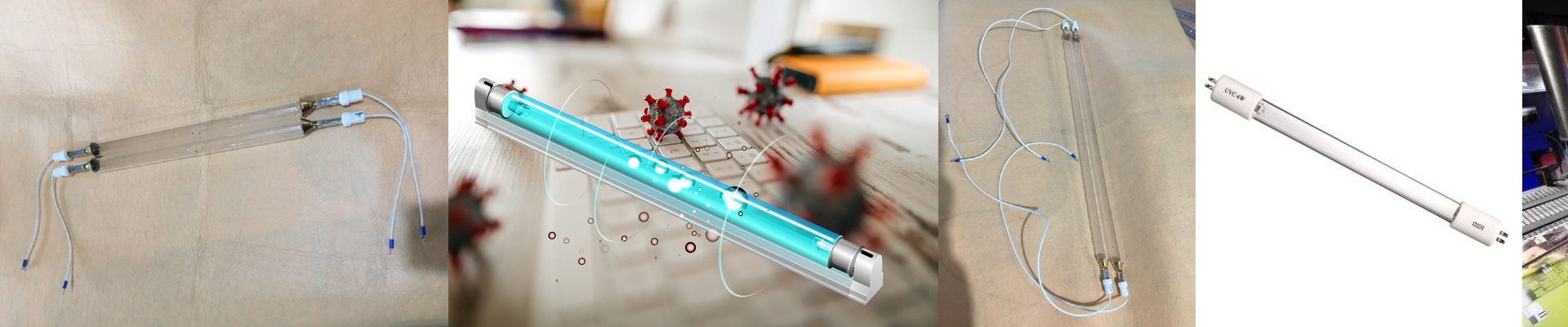
Powering High-Output UV Lamps for Wood Coating: The Role of Capacitors in Circuit Stability
Ever watch a wood flooring line move at full speed? It’s a blur of motion, and the finish has to be perfect—scratch-resistant, glass-smooth. The secret isn’t just the UV lamp. It’s the capacitor humming inside the circuit, keeping everything steady, repeatable, and reliable. Without the right capacitor, the lamp fights to start. You get flicker, hesitation, and a curing process that stumbles. That’s a one-way ticket to wasted time and inconsistent coating.
Technical Deep-Dive: Matching Capacitors to Lamp Specs
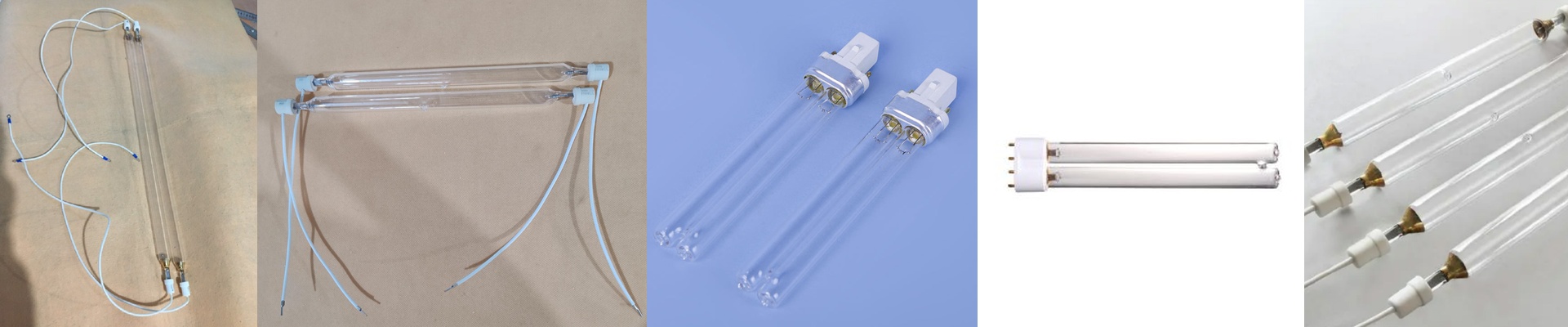
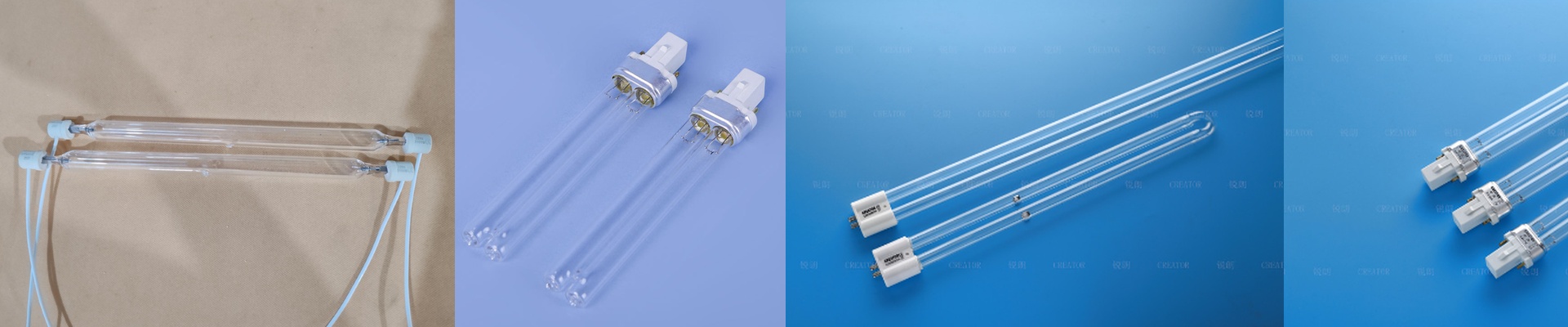
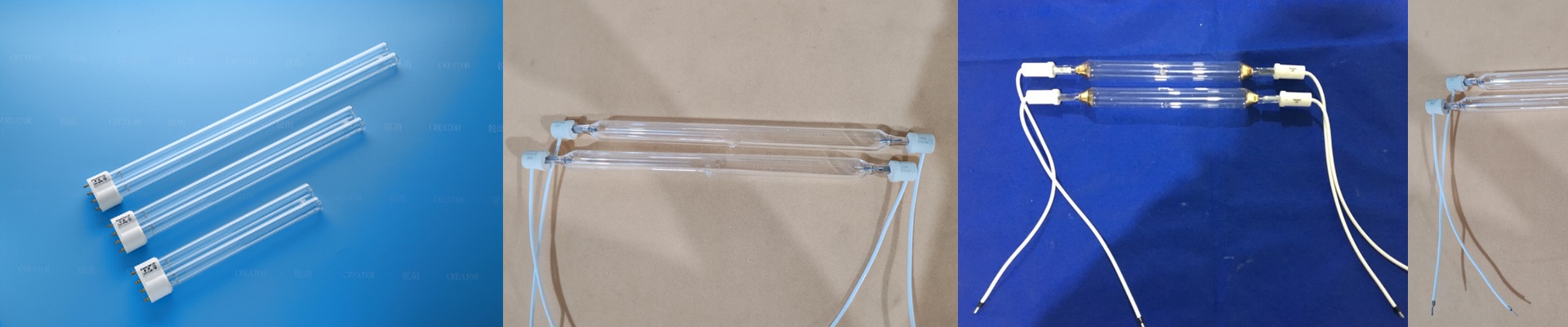
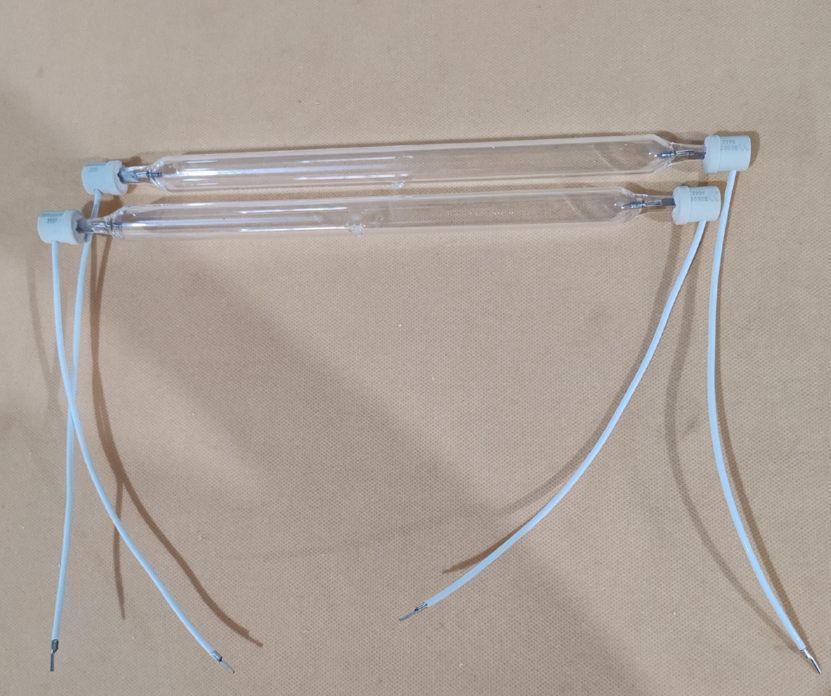
Here’s the thing about high-power UV lamps for wood coating: they need serious electrical muscle. These lamps run on high voltage—often 400V or more—just to light the gas inside the tube. So the capacitor’s voltage rating has to match or beat the lamp’s operating voltage. Otherwise, you risk breakdown. Wattage and tube length matter too. Take a 1500W lamp with a 300mm tube—it pulls a lot of current. The capacitor stores energy and releases it on demand, smoothing the arc. If you pick a capacitor with too low voltage or too little capacitance, the lamp will flicker or never hit full power. And your coating? It stays undercured.
Material & Design: Why the Capacitor Construction Matters
This isn’t a delicate part. The capacitor is built to take a beating—high voltage, high heat, and the jolt of repeated ignition pulses. That’s why it uses tough dielectric materials, like quartz or specialized ceramics. They resist breakdown and keep doing their job, even when the lamp cycles on and off all day. And it’s compact. Seriously compact. It slips into tight control panels, so you can wire it in without redesigning your whole setup.
Application & Benefits: Solving Wood Coating Line Challenges
On a wood coating line, the UV lamp cures wear-resistant, high-gloss coatings in seconds. The capacitor makes that happen. It gives the lamp that initial burst to start, then keeps the current stable so the lamp holds the right temperature. The result? Coating that cures evenly, with no tackiness or weak spots. Now, there’s a trade-off. High voltage and high capacity mean you need solid insulation and wiring that matches the specs, to prevent voltage leaks. But get the setup right, and the capacitor keeps the lamp running consistently. Downtime drops. The line keeps moving. And your finish looks the way it should—clean, tough, and flawless.