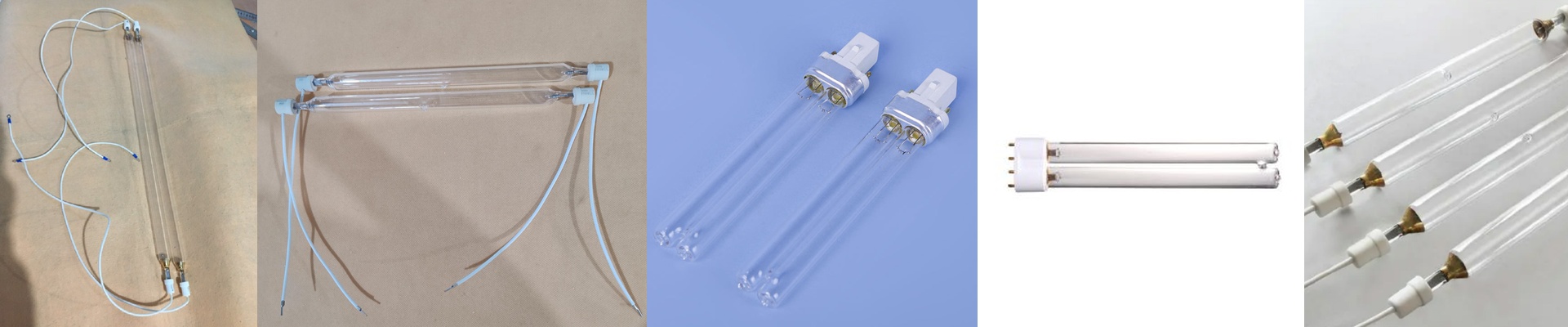
Getting Your UV Curing Right with Gallium Iodide (GaI)
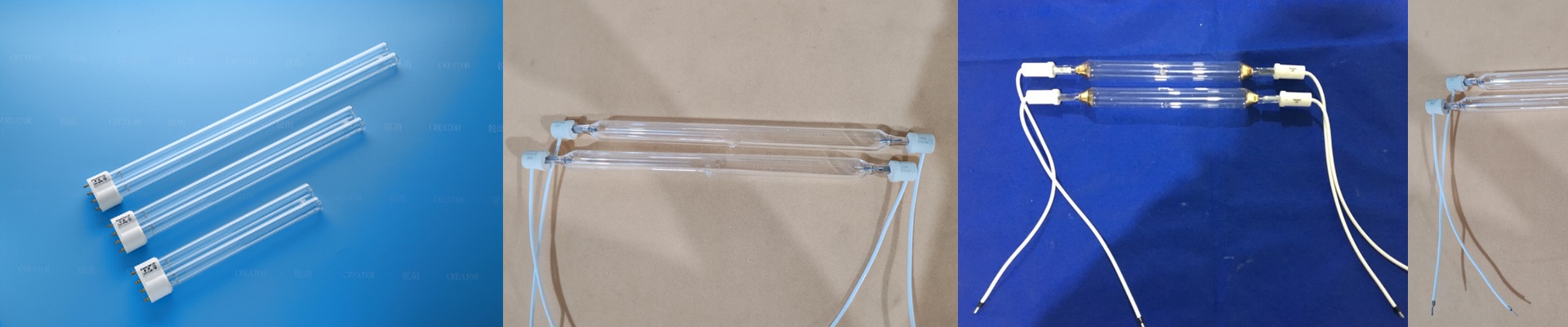
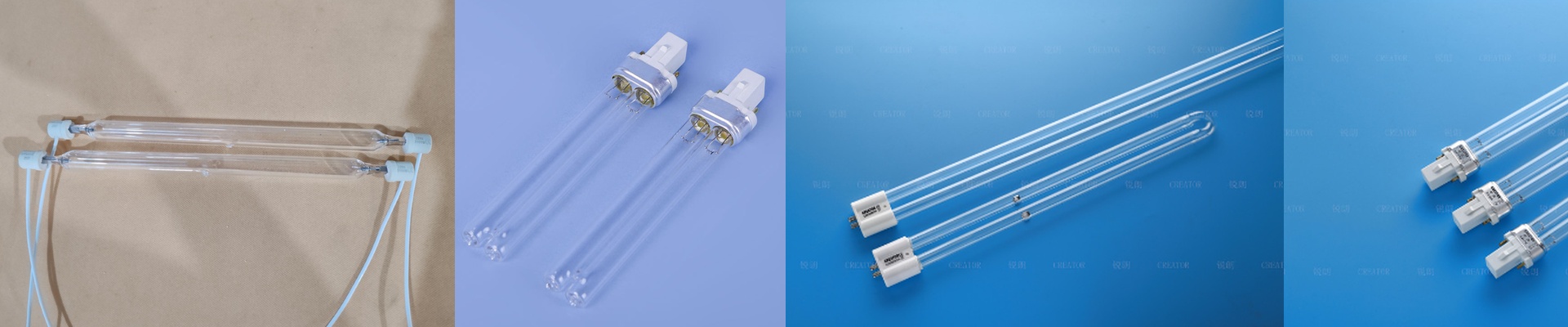
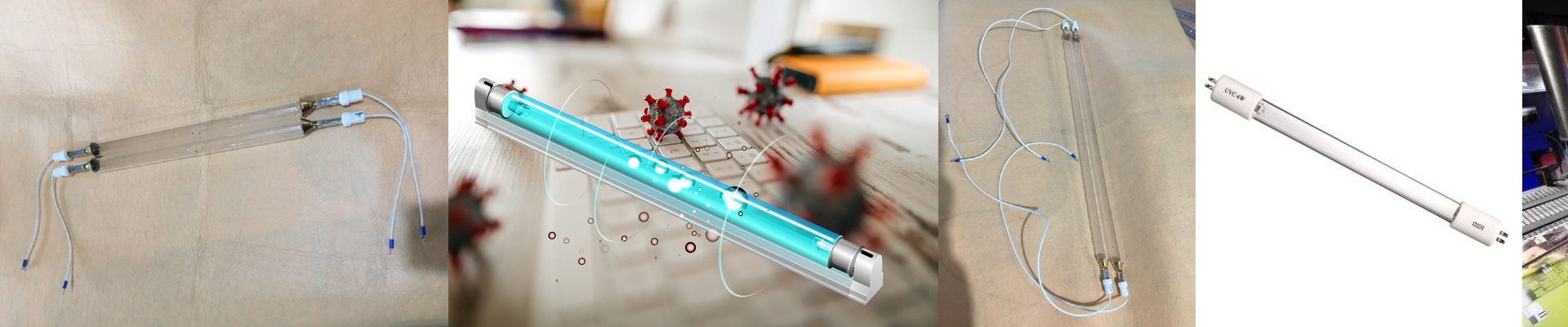
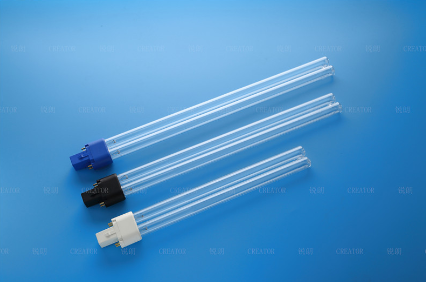
If you’ve ever dealt with PCB photolithography, you know the struggle of getting the light just right. Too much heat and you’ve ruined the substrate. Too little power and the photoresist just doesn’t set. That’s where our Gallium Iodide (GaI) modules come in. They hit a very specific sweet spot—usually between 254nm and 310nm. We’ve tuned them to trigger that polymerization process perfectly, without turning your boards into toasted crackers. The trick is in the spectrum. Most standard mercury lamps are “messy.” They bleed into wavelengths you don’t actually need. We’ve tightened that window by playing with the gallium concentration and iodide pressure. It means the light matches exactly what your photoresist is looking for. Now, you can crank up the wattage to push more boards through the line. It’s great for your hourly numbers. But a word of caution: if your conveyor speed isn’t dialed in, that high power density can warp your boards. Keep an eye on that. Built for the real world We didn’t want you replacing an entire system just because one lamp gave up. So, we made these modular. When a lamp burns out, you just swap the module and get back to work. We use high-purity quartz envelopes because we don’t want the glass soaking up the UV light. You want every bit of that energy hitting the PCB. One thing though:**don’t skip the cooling.**These lamps run hot. If you don’t have a solid chilled water loop or a forced-air system, your lamp life is going to tank. It’s just physics. Keeping the scrap pile small In a PCB plant, “almost right” is a failure. A tiny dip in UV intensity means under-cured resist, which leads to etching disasters. Our modules keep the light steady across the whole width of the board. Plus, we’ve wired them into automated controllers that think for themselves. As the gallium wears down over a few thousand hours, the system automatically bumps the power to keep the curing speed the same. It’s a simple way to keep your scrap rate low and your line moving without having to babysit the equipment every five minutes.