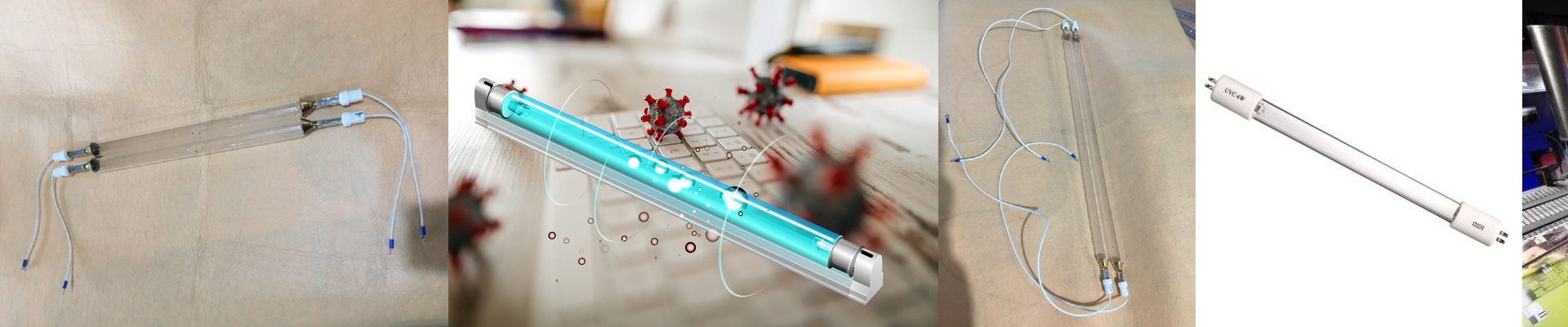
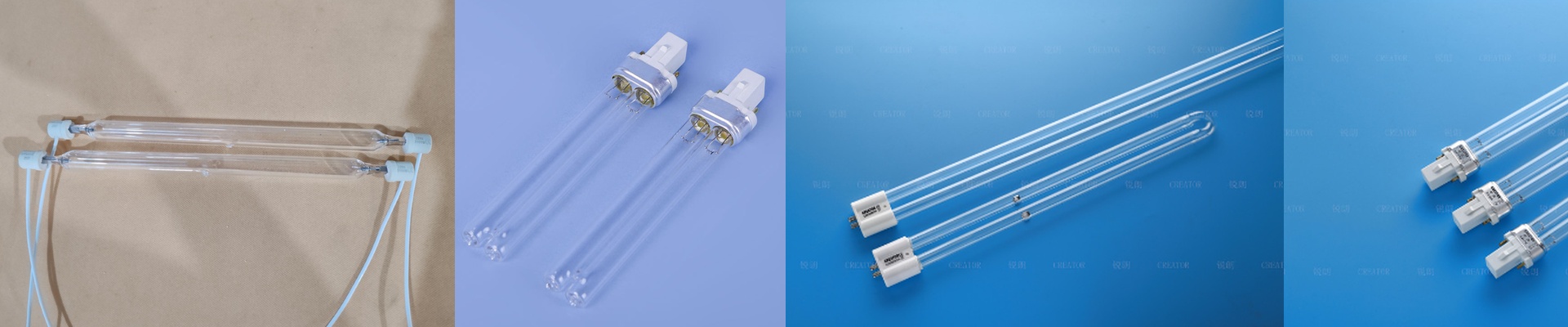
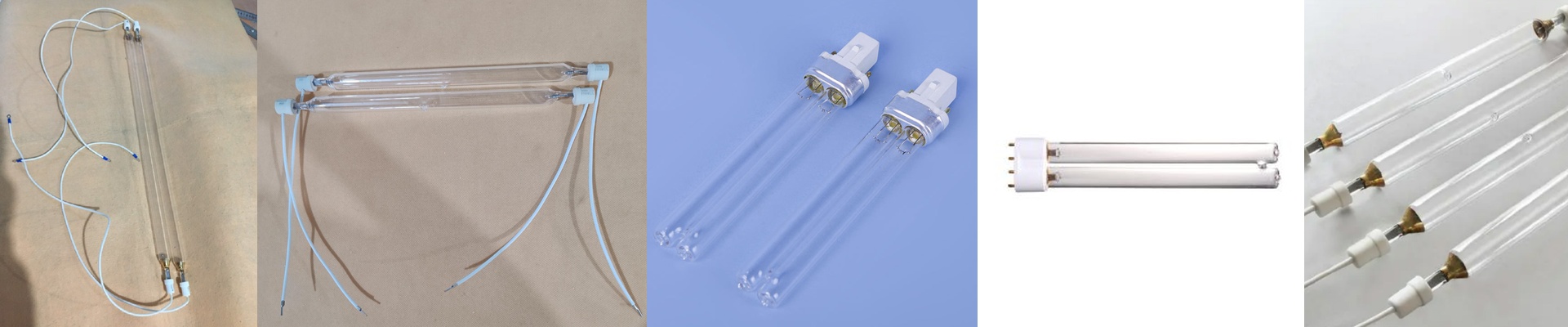
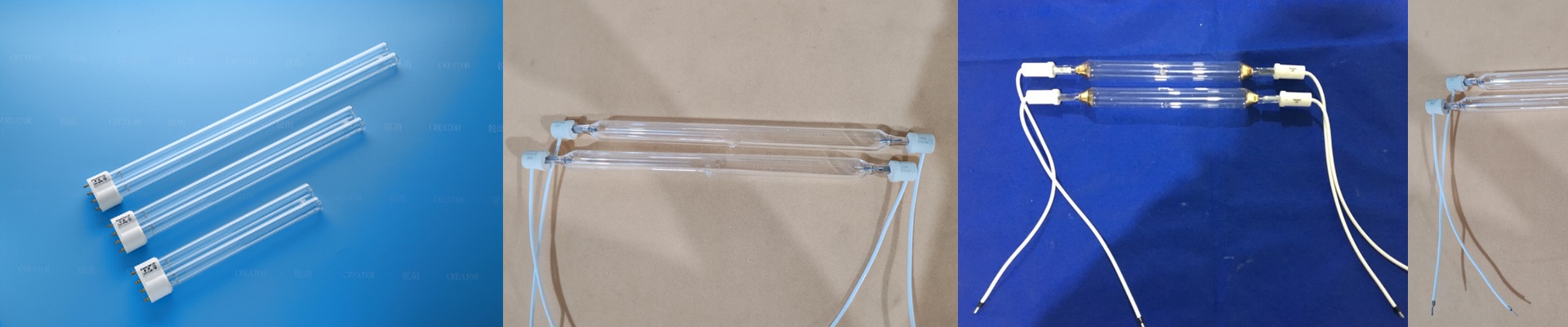

The second a tech puts fingers on a UV lamp’s quartz envelope, you’re already counting down to trouble. Fingerprints and oil don’t just look sloppy—they bake on, create hot spots, and can crack the quartz. Worse, they skew the spectral output. With gallium-doped lamps, that’s a real problem, because they’re tuned to deliver a tight spectral distribution around 365nm and 385nm to match the photoinitiators. Contamination doesn’t just hurt performance—it can kill it. What’s actually happening under the hood Gallium lamps are built for spectral precision, hitting the 365nm to 385nm band with a narrow spectral half-width. That focus drives absorption in the photoinitiators, so cross-linking happens fast. Peak irradiance runs 1,200–1,800 mW/cm², with power density set at 80–120 W/cm. The payoff is consistent cure speeds of 100–300 m/min on labels and packaging, and output drift stays under 3% over 2,000 hours. The quartz envelope is ozone-free and optimized for high UV transmission, and the reflector’s dichroic coating keeps heat off the substrate. Why it plays in UV offset, flexo, and screen On UV offset, flexo, and screen lines, spectral stability is what keeps color and adhesion repeatable. Gallium lamps deliver predictable energy density (100–500 mJ/cm²) without the broad spikes you get from mercury vapor, so cure stays even across thin films and heavy ink laydowns. You end up with faster changeovers, lower energy draw, and fewer rejects from under-cure. The install details that matter Here’s the non-negotiable part: never touch the quartz. Clean only with lint-free isopropanol wipes. Make sure connectors line up and the lamp is positioned so the focal distance to the substrate stays true—misalignment can drop peak irradiance by 15% or more. Double-check that your power supply matches the lamp’s voltage and ignition profile. Yes, gallium lamps cost more up front, but when installed right, they run longer with stable spectral output, and that stability pays for itself.