Ditching Mercury: A Simpler Way to Handle UV Curing in PCB Lines
Let’s be honest about PCB fabrication. The old way of doing UV curing is a headache. Dealing with mercury-based systems isn’t just outdated—it’s a liability. One leak and you’ve got a nightmare on your hands. That’s why we’ve moved toward Gallium Iodide (GaI) lamps. They get the job done without the toxic baggage.
How it actually works
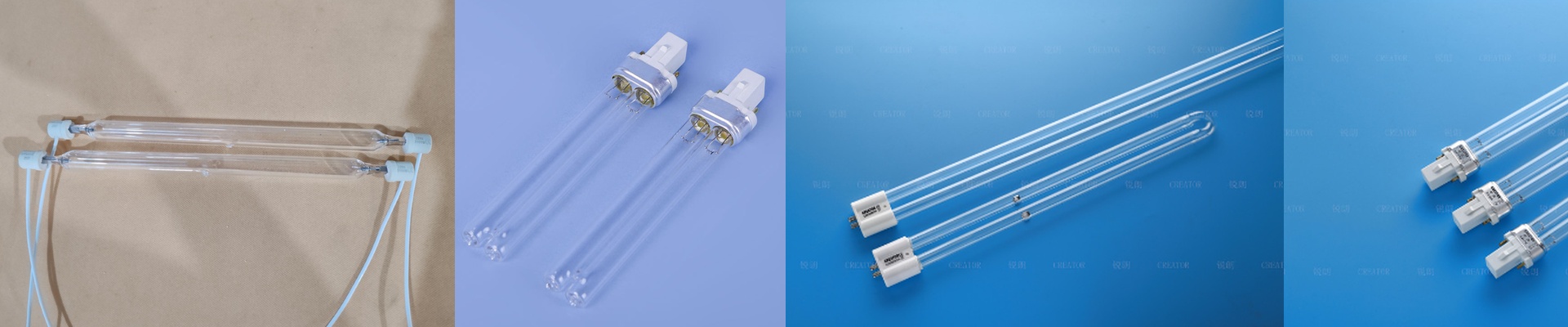
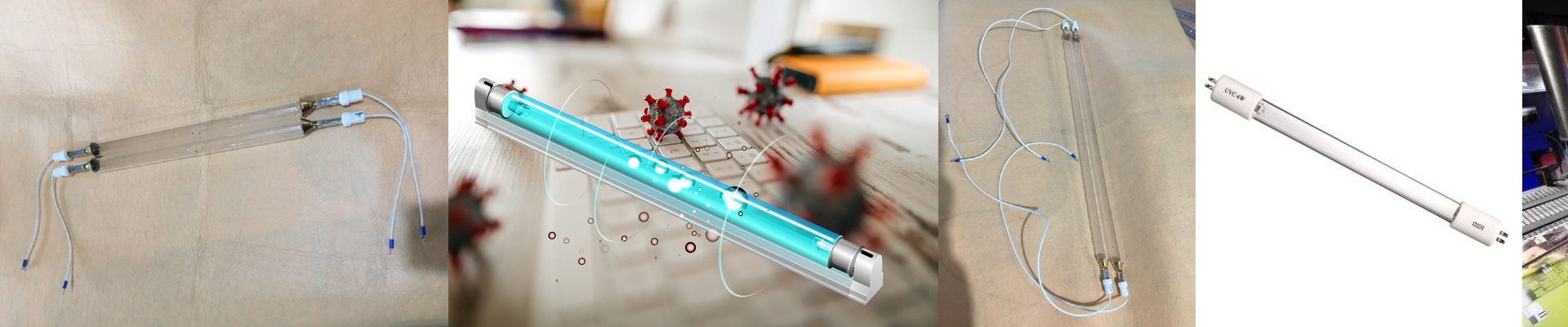
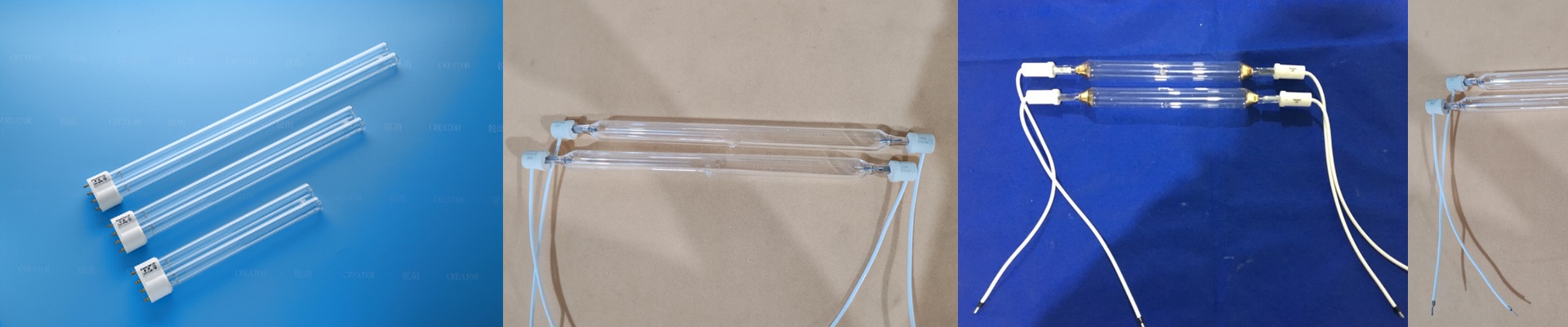
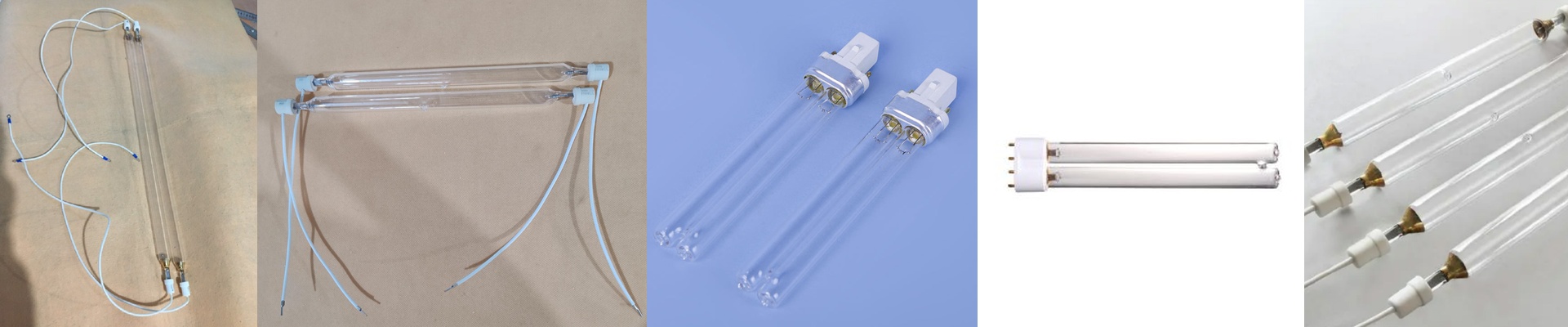
You don’t need a PhD in physics to get the gist here. While mercury lamps throw out a broad spectrum, GaI lamps are more like a sniper. They hit the exact wavelengths that modern, eco-friendly photoresists need, especially for those tight HDI boards. The best part? No mercury. No hazardous waste protocols. No worrying about toxic spills in the middle of the night. It just makes the whole shop a cleaner place to work.
The reality of lifespan and setup
People always ask if these lamps last longer. Here’s the thing: there’s no magic trick. It comes down to the basics. We focus on managing the heat on the quartz envelope and getting the gas fill just right. When you get the thermal stress under control, the lamps last longer. And when the lamps last longer, you aren’t shutting down your entire line every few weeks just to swap out a bulb. But a quick heads-up on the power. GaI lamps aren’t “plug and play” with every single mercury setup. They have their own specific appetite for voltage and current. If you’re swapping them into an old line, double-check your ballasts. If the power supply doesn’t match the Gallium chemistry, you’ll fry your electrodes way too soon. It’s a simple check that saves a lot of money.
Getting them into your shop
We designed these to be a direct fit. They slide right into your existing curing tunnels and conveyors. Whether you’re curing solder masks or dry films, they provide the punch you need to keep the line moving fast. One last tip:keep your fans clean. These lamps run hot to keep that UV output steady. If your airflow gets clogged with dust, the tube overheats. When that happens, the light shifts, your curing times drift, and suddenly your board quality starts dipping. Keep the air moving, and the boards will stay perfect.