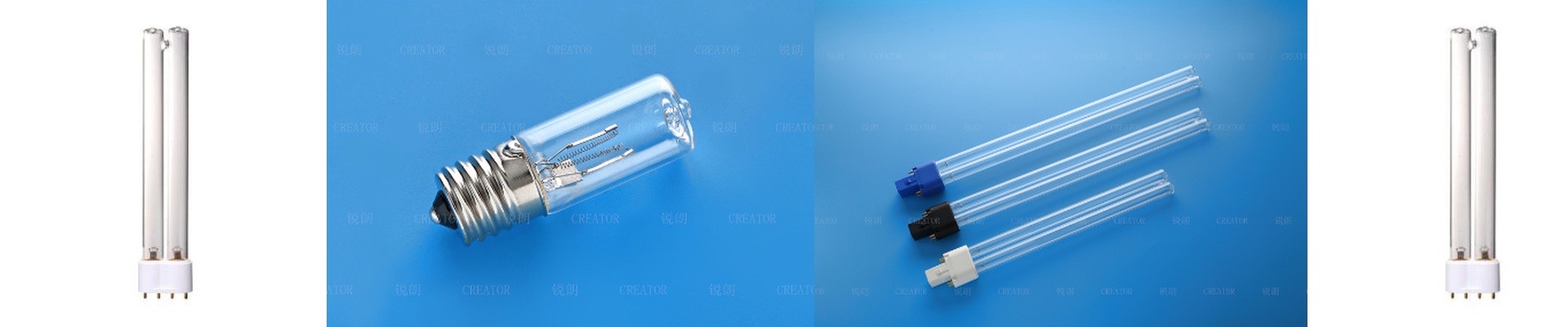
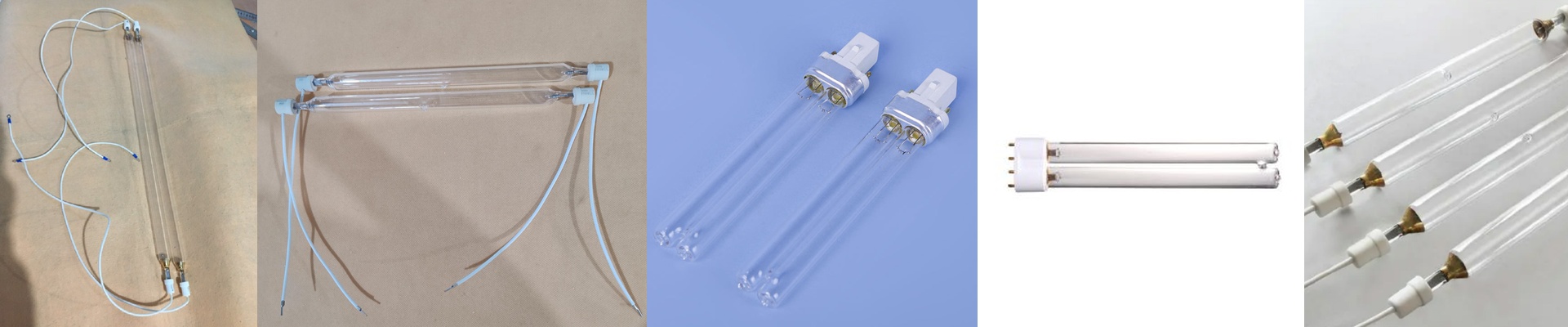
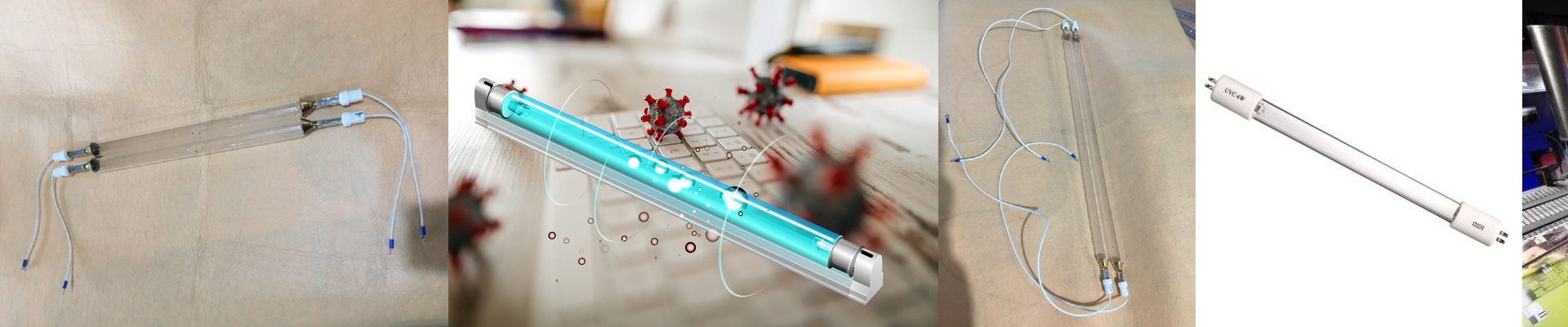
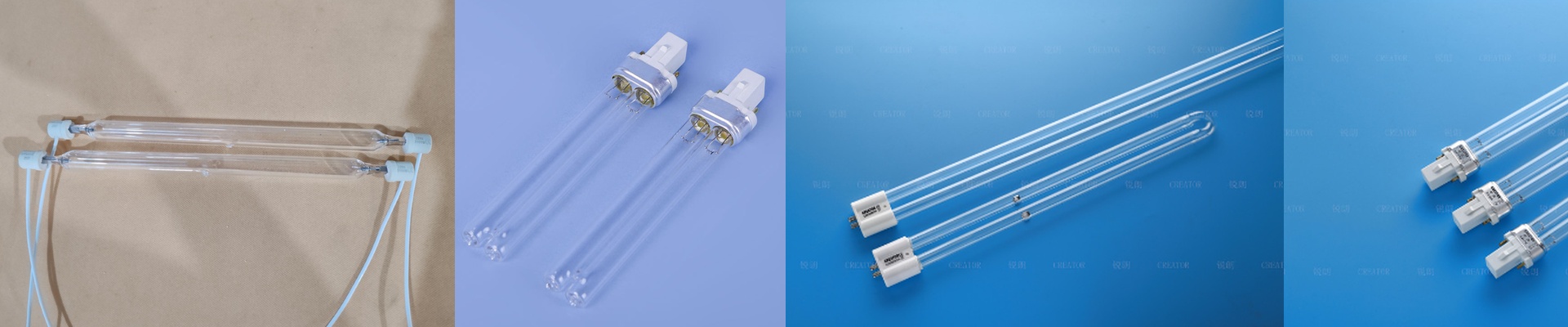
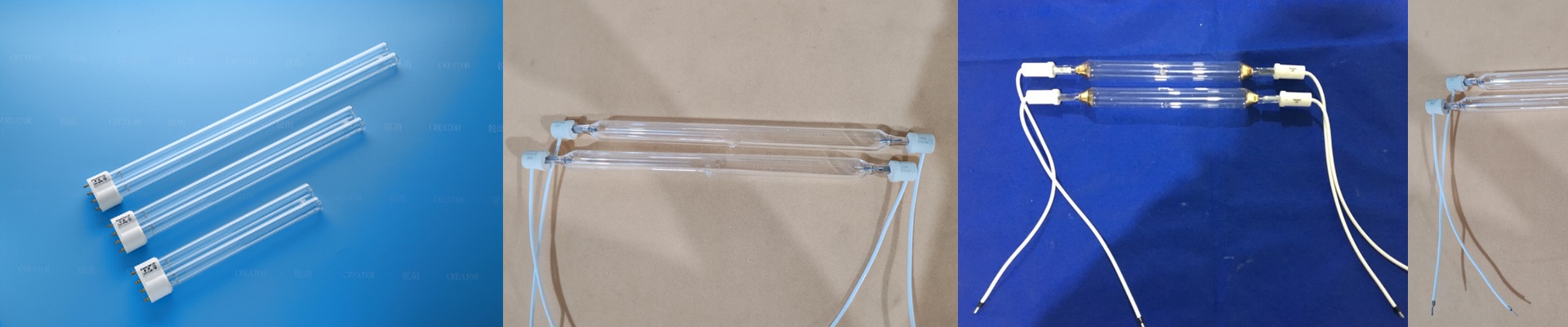
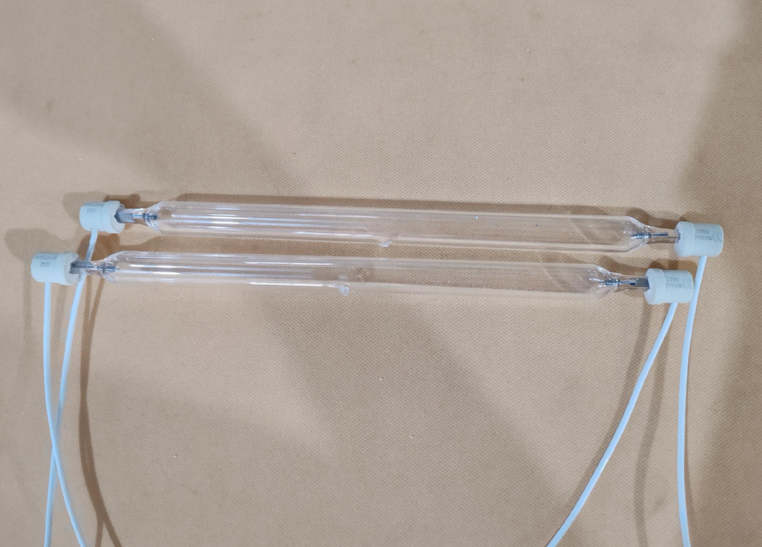
Out on the press floor, a UV lamp that won’t strike does more than just stop a job. It chews up substrate, breaks the curing chain, and forces you to re-balance the whole line. More often than not, the root cause is a mismatch you can’t see—right at the trigger-to-lamp interface, specifically the 4-pin connection. The trigger and the lamp have to talk clean. A proper 4-pin connector keeps the high-voltage ignition path tight, holds contact resistance down, and prevents the micro-arcing that mangles the ignition pulse. That matters because mercury vapor lamps are picky: the trigger has to deliver the right open-circuit voltage and current to strike the arc without hammering the electrodes. When the 4-pin interface is built to spec, the lamp comes up fast and holds steady spectral output, with consistent peak irradiance across the 365–395 nm bands. That stability is what keeps photoinitiator conversion and cross-linking under control—so cure depth and surface finish repeat, job after job. In production, you feel it where it counts. A matched 4-pin setup cuts misfires and warm-up drift, so energy density at the substrate stays consistent. We see fewer lamp swaps, lower energy per part, and less downtime spent swapping hardware. It also helps keep reflector alignment and thermal management honest, which protects output over thousands of hours. **Before you energize, double-check pin assignment and polarity against your lamp and trigger.**One pin reversed can kill ignition or cut lamp life short. Make sure the trigger’s voltage and current ratings match the lamp’s ignition requirements, and confirm connector orientation to the fixture so you don’t invite arcing during high-voltage startup.