Getting UV Curing Right in Your Textile Plant
Think of UV lamps as the hidden heavy lifters in your shop. From the moment a raw roll of fabric hits the line to the second it becomes a finished garment, these lights are doing the dirty work—locking in pigments and bonding chemicals so they actually stay put. We aren’t just selling you a light bulb. We’re giving you a precise burst of energy that turns liquid ink into a solid in a heartbeat.
What’s actually happening on the line?
Here is the thing: you aren’t just “drying” your ink. You’re starting a chemical reaction. Whether you’re using screen printing or digital inkjet, those UV lamps force the monomers in the ink to snap together into a solid chain. It happens fast. Really fast. The trick is matching the lamp to your conveyor speed. If you crank up the speed, you need more power (wattage per inch) to make sure the ink gets the dose it needs. If you skim up on the power, the ink smears. But if you go overboard? You risk scorching the fabric or ruining the fibers entirely. It’s a balancing act.
The gear and the trade-offs
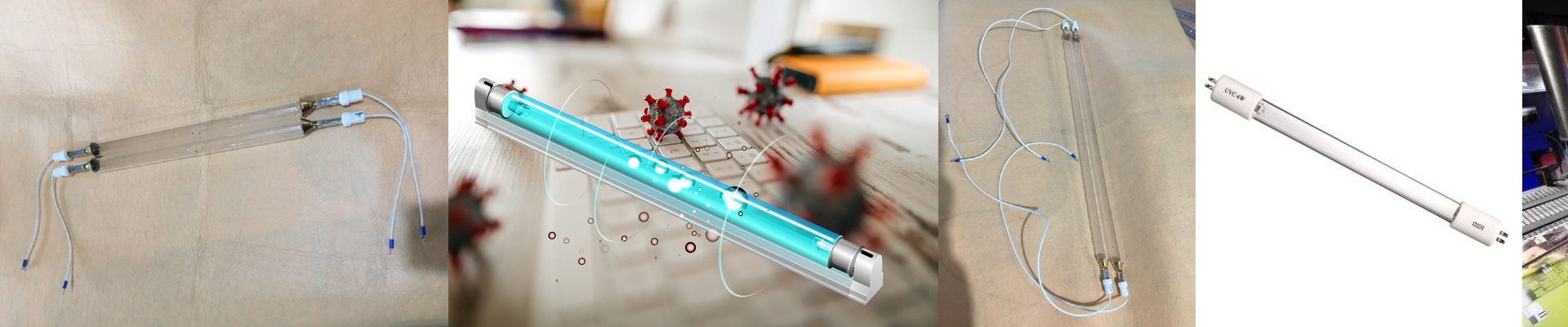
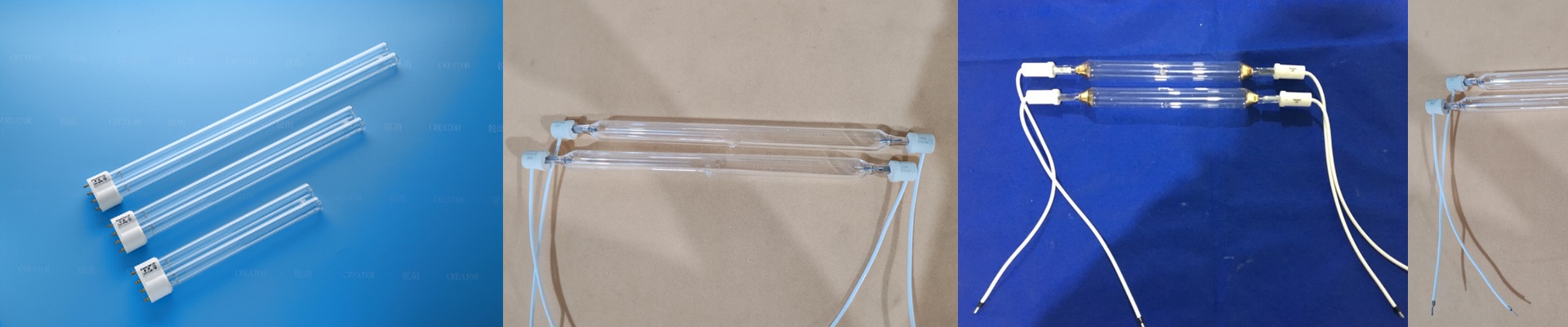
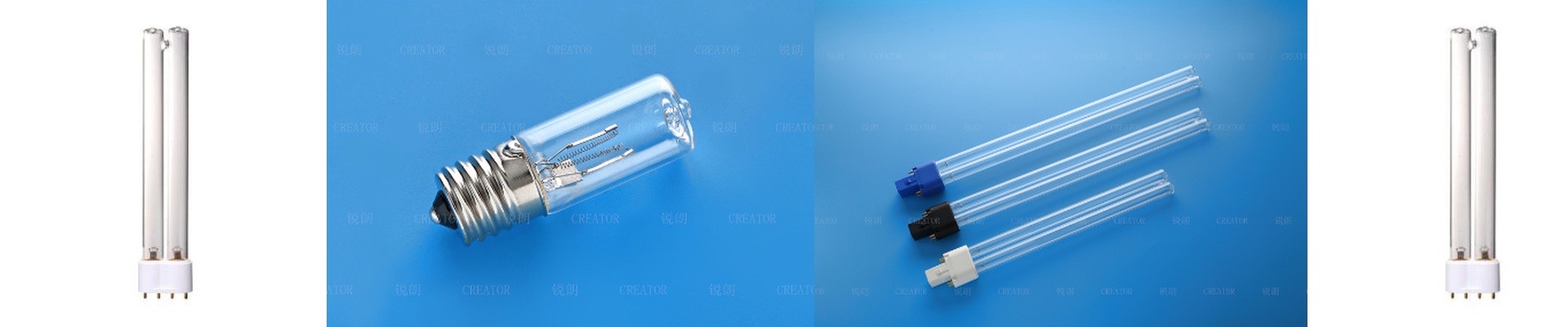
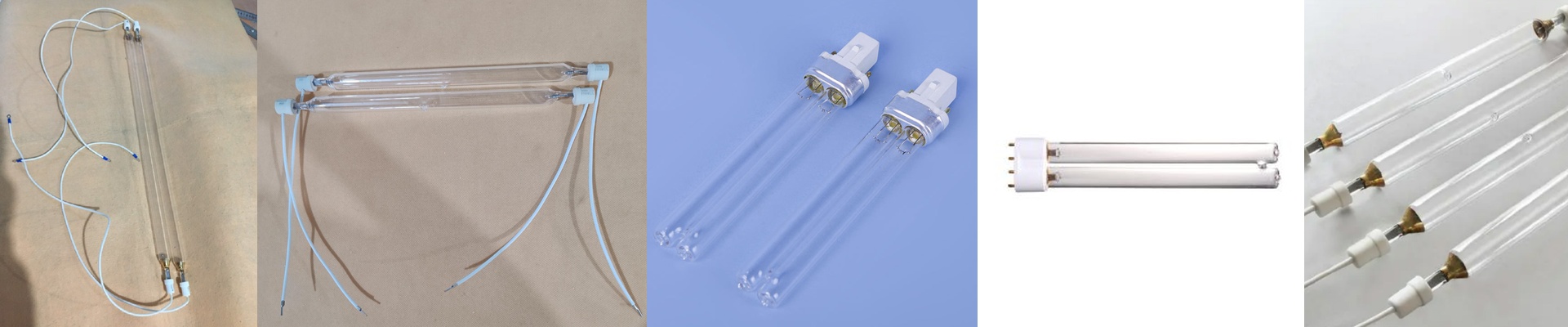
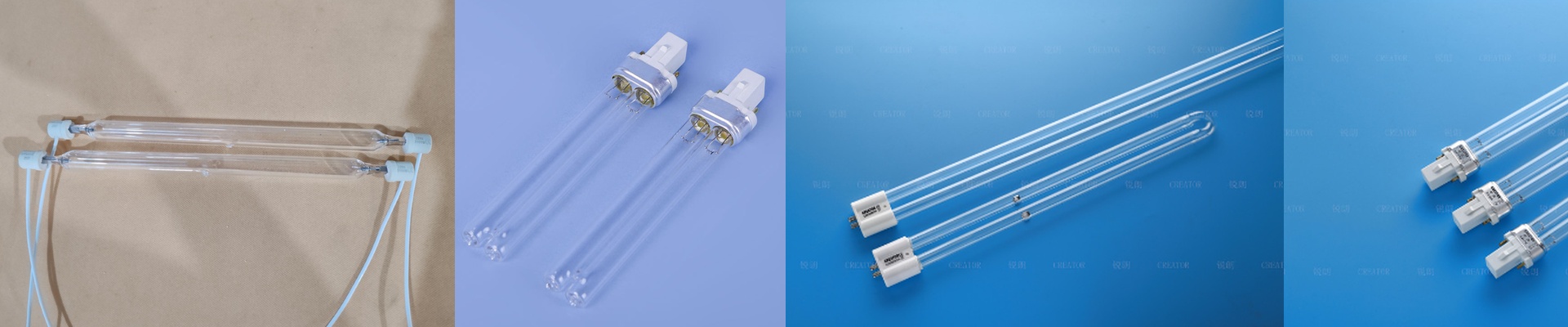
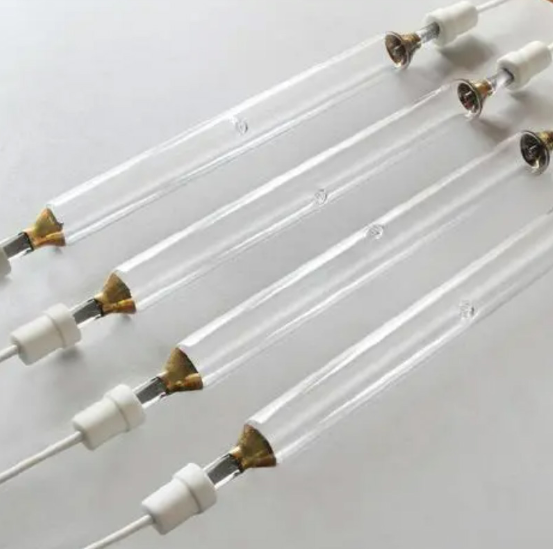
We use high-purity quartz for our industrial tubes because it lets the most UV light through without getting in the way. We can build these in different lengths and power levels to fit whatever machine you’ve already got on your floor. But there’s a catch: heat. High-output lamps are great for speed, but they throw off a ton of IR heat. If you aren’t careful, your fabric will warp. That’s why you need a solid cooling setup—either forced air or water-cooled jackets—to keep things chill while the ink cures.
Where this fits in your workflow
Usually, you’ll see these lamps in three spots: First, duringpre-treatmentto get the fabric surface ready. Then, right duringprintingto snap those details into place instantly. And finally, at thefinishingstage for things like water-repellent coatings. One last pro tip: double-check your ballasts. They have to match the lamp’s voltage exactly. If they don’t, your lamps will burn out way too early, and you’ll end up with “dead zones” on your fabric where the ink just won’t set.