Why we obsessed over 0.5% spectral energy
Most UV lamps on the market are “good enough.” They hit a general target, the light comes out, and the company moves on. We couldn’t do that. Our team spent months chasing a very specific number: a 0.5% variance in spectral energy concentration. It sounds like a tiny detail, but in the real world, it’s the difference between a perfect cure and a costly mistake.
The grit behind the precision
Getting to 0.5% isn’t a magic trick. It’s tedious, frustrating work. We had to tear apart how we look at electrode geometry and gas mixtures. See, if the arc wanders or the plasma density jumps around, your curing speed tanks. To stop that, we tightened the tolerances on the quartz tube walls. It keeps the arc dead center. No more “hot spots” that eat through your lamp and kill it way before its time. When you cram that energy into a tighter band, your resin’s photoinitiators react exactly how they’re supposed to. You can finally stop guessing your line speed.
The build
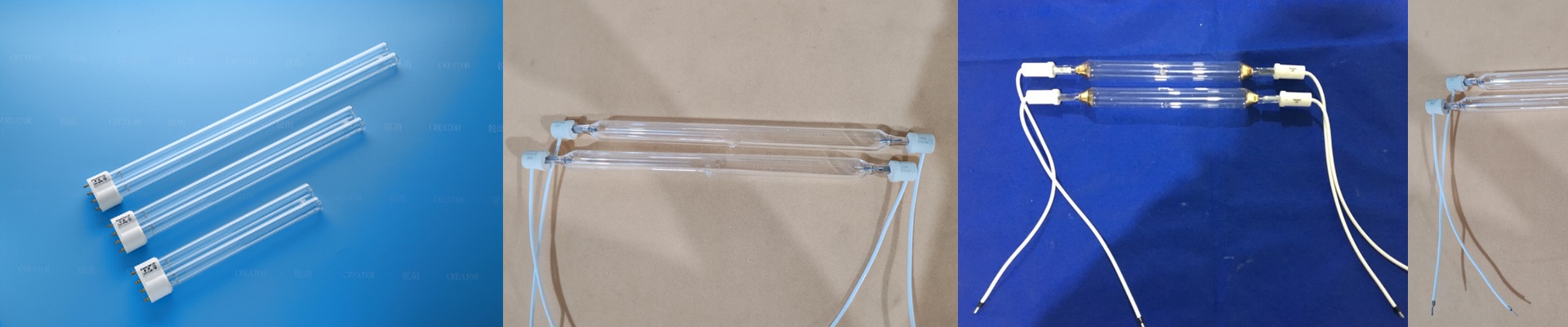
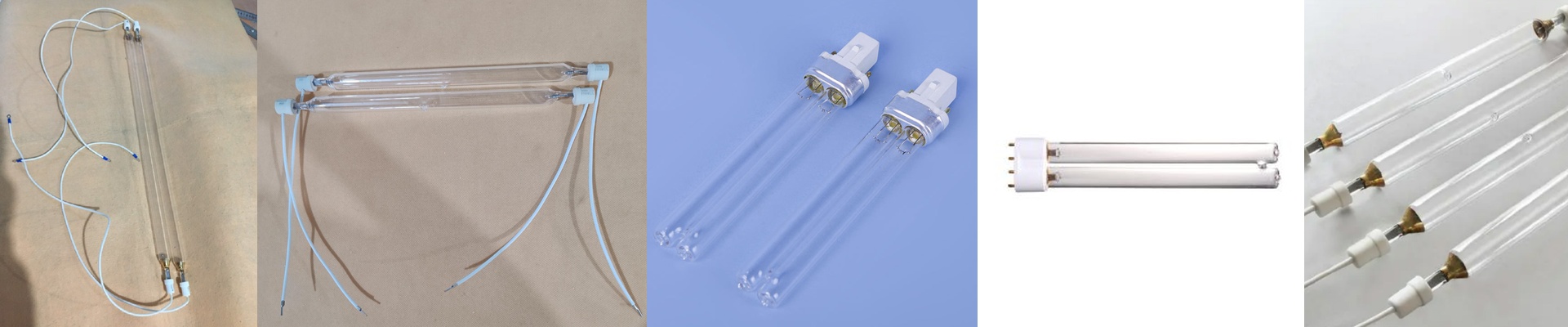
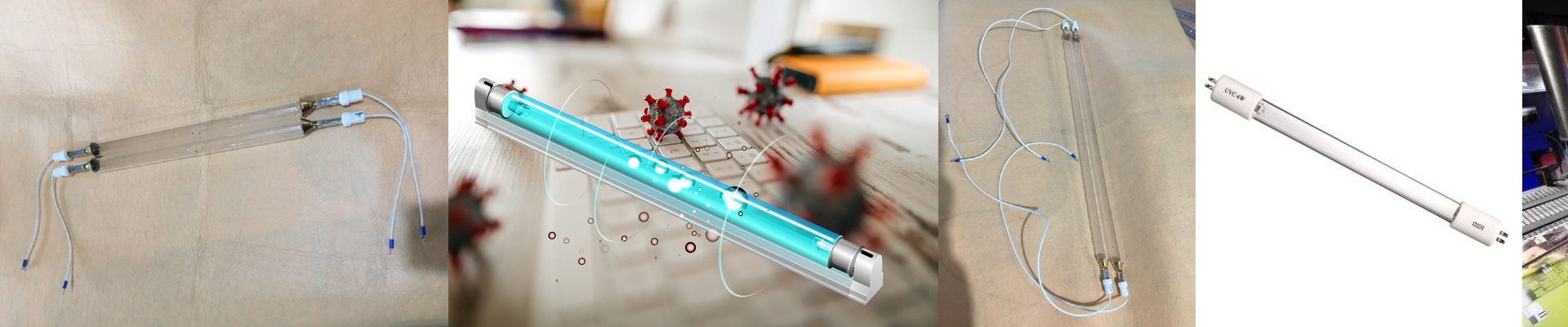
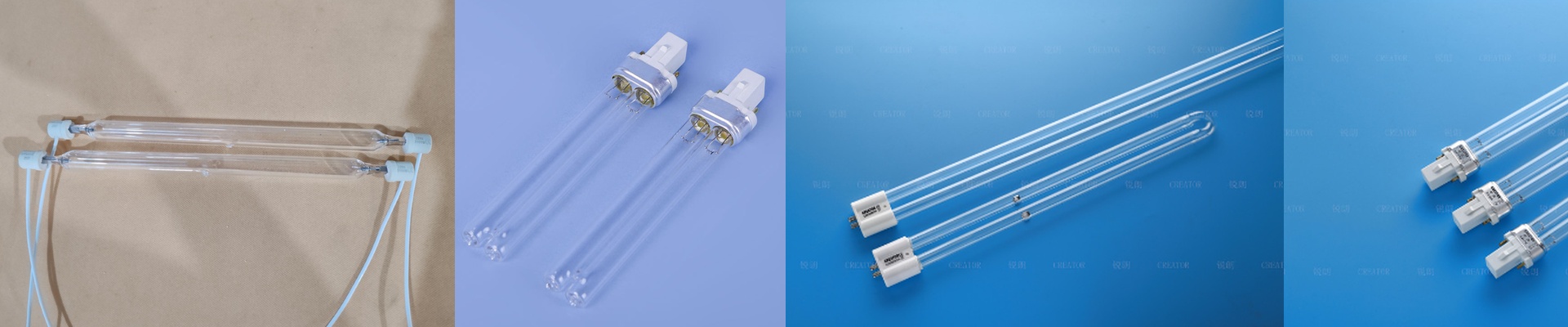
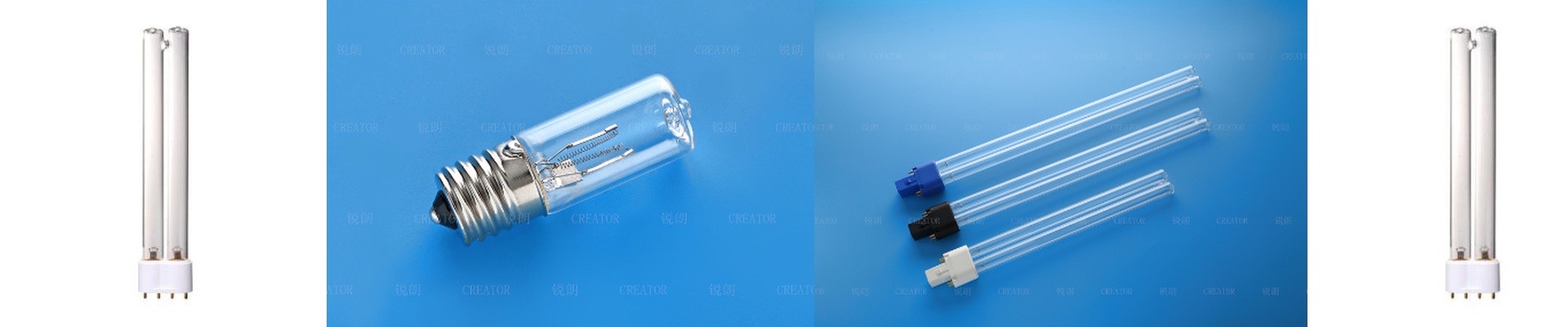
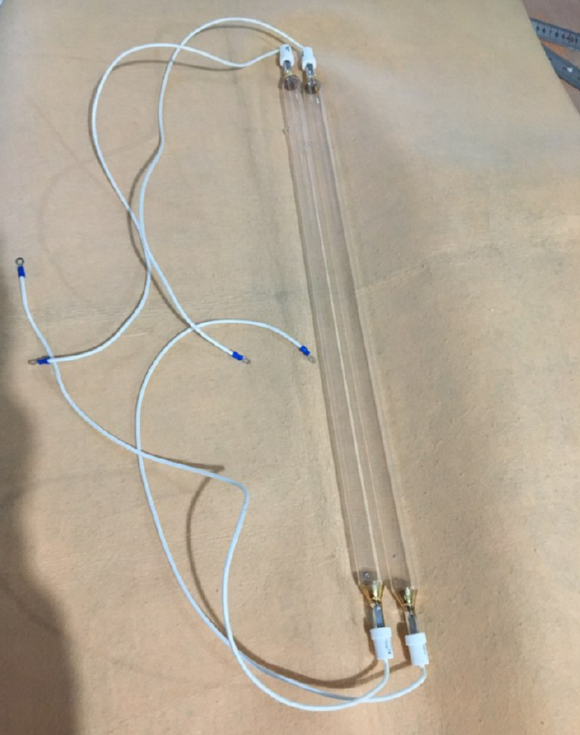
We use high-purity synthetic quartz because standard glass just blocks too much UV-C. But here’s the tricky part: tighter control means we have to be incredibly precise with the mercury vapor. We ended up building our own filling process just to make sure every single tube in a batch acts the same. We also beefed up the electrodes. These things take a beating in 24/7 production cycles. We picked materials that resist sputtering, which keeps the tube clear and the light pure for much longer.
The trade-off
I’ll be honest with you: this level of precision makes the lamps a bit pickier. They’re sensitive to voltage swings. If your power supply drifts, that 0.5% precision goes right out the window. You’ll need a stabilized ballast to actually see the benefits. For the engineers, it’s a simple drop-in replacement, but you need a clean electrical footprint. You’re trading a little bit of setup effort for total consistency. No more uncured patches on the edges of your PET or coating lines. Just a clean, reliable finish every time.