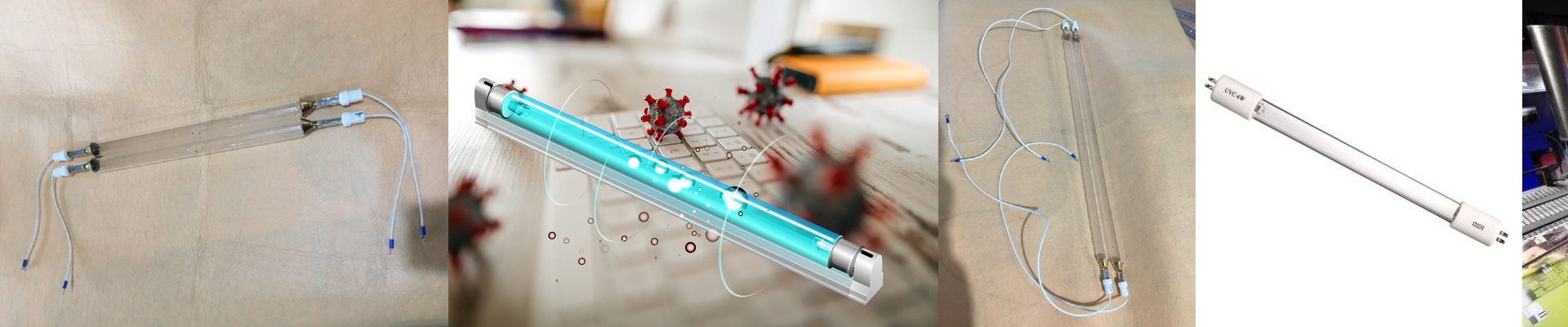
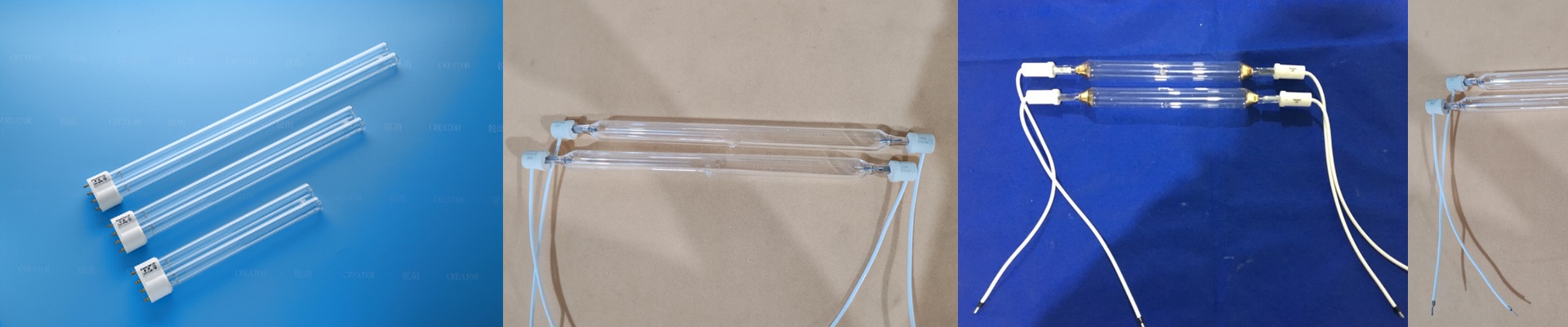
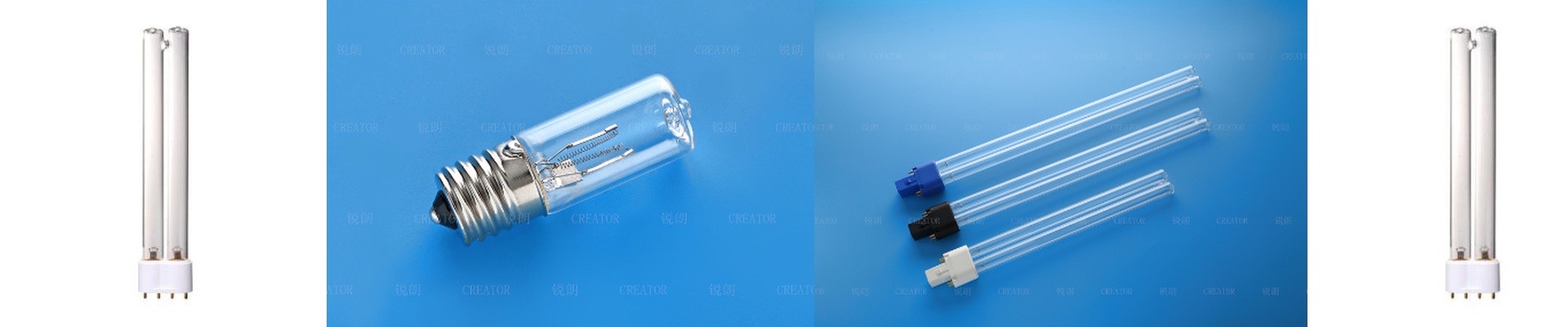
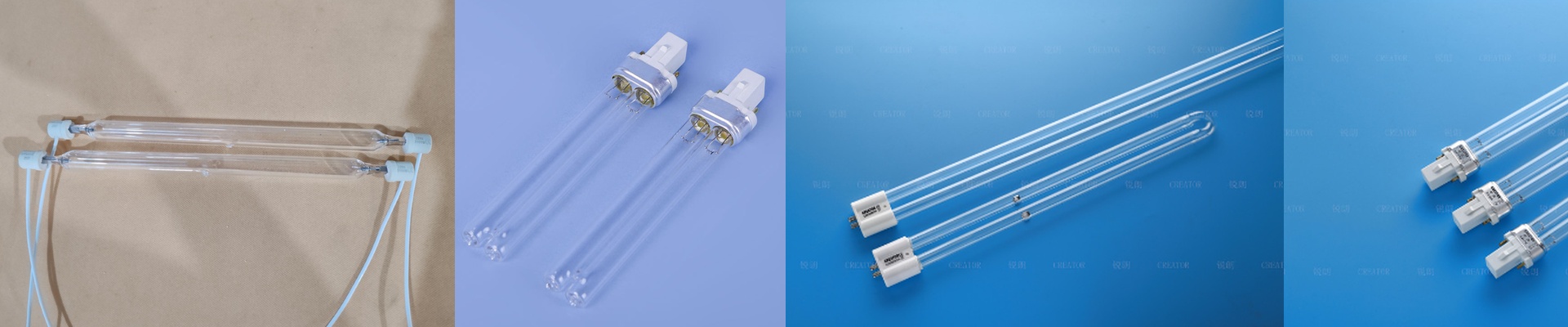
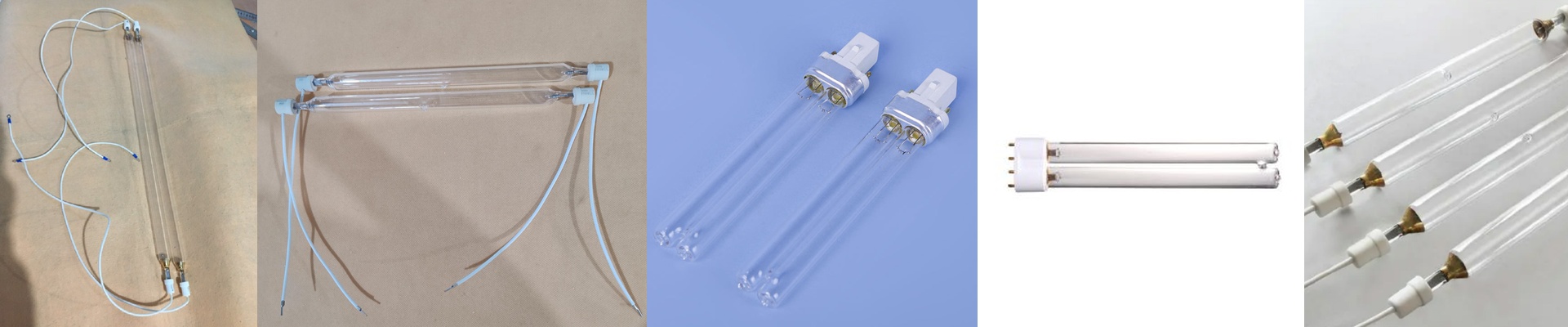
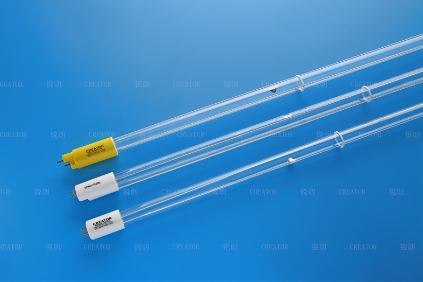
Getting Your Gallium Iodide UV Lamps Just Right
If you’re working with high-precision curing or photolithography, you know that shortwave UV radiation is where the magic happens. We build these gallium iodide tubes over in China, but the real control stays with you. You tell us the wavelength and intensity you need, and we build them to fit your brand’s specific technical standards. Simple as that.
The Nitty-Gritty on Power
Here is the thing: the way these lamps perform comes down to the gas fill and how much power you’re pushing through them. We can tweak the voltage and wattage to hit exactly the irradiance levels you’re looking for. Now, going for high-wattage tubes is great if you want faster curing cycles. But there’s a catch. More power means more heat hitting your reflectors. You’ll want to make sure your power supplies are a perfect match for the lamp’s operating voltage. If they aren’t, you’re just asking for the electrodes to burn out way too early.
Glass, Heat, and Fit
We use high-purity synthetic quartz because it lets the UV light through without any fuss. But gallium iodide is a bit finicky about temperature. It needs to stay in a “sweet spot” to keep the vapor pressure right. If it runs too cold, your light output tanks. Too hot? You’re cutting the lamp’s life short. And don’t worry about the hardware. We offer plenty of termination options, so these usually slide right into your existing fixtures. You won’t have to tear apart and redesign your entire housing just to switch to our tubes.
Scaling Your Brand (And the Trade-offs)
Our OEM setup is designed to let you own the look and feel of the system. We handle the messy chemistry and the glass blowing; you handle the marketing and the customers. Just keep one thing in mind: there’s always a trade-off. If you crank up the UV intensity, the lamps won’t last as long. It’s a balancing act between how fast your client’s production line needs to move and how often they’re okay with swapping out a lamp. To help you figure that out, we’ll give you the raw data on lumen depreciation. That way, you can give your end users a maintenance schedule that actually works in the real world.