Stop Guessing With Your UV Bulbs
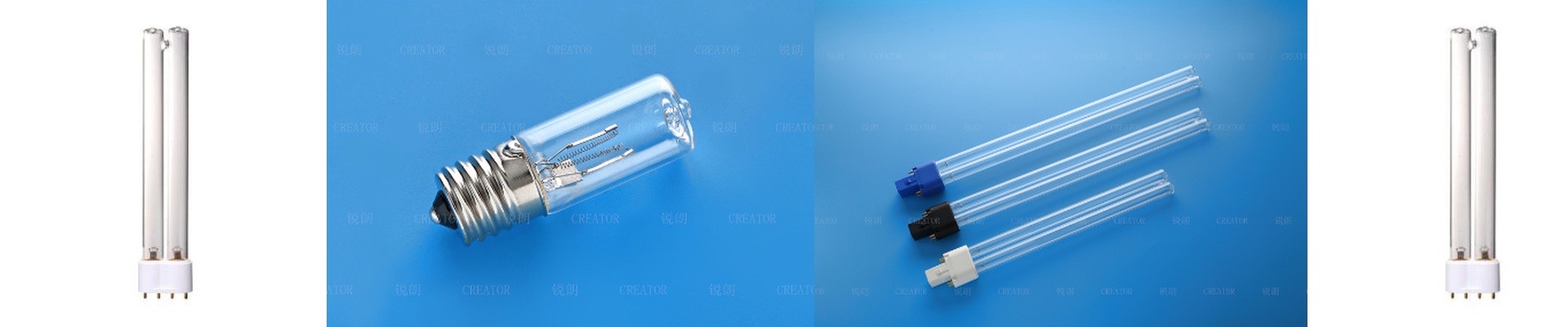
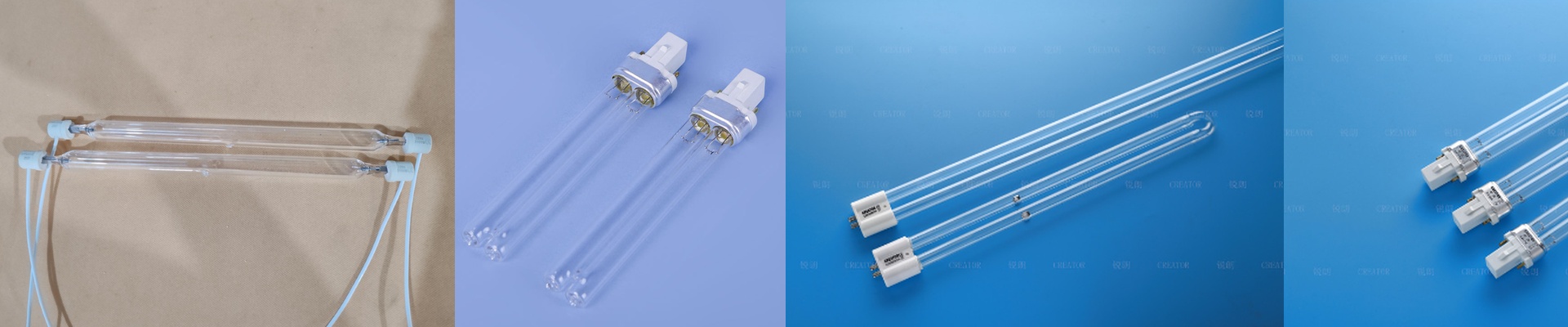
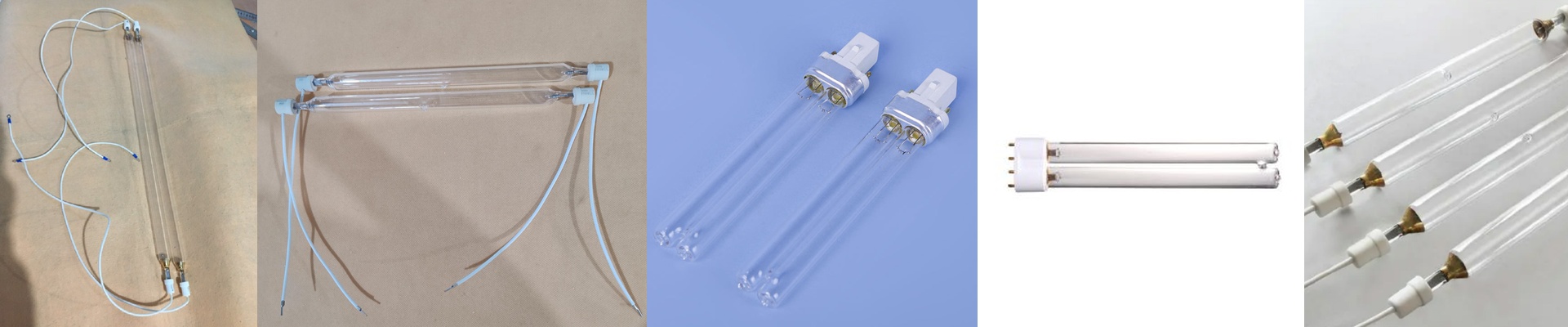
For a long time, buying UV bulbs in bulk was a simple game of wattage and lamp life. You bought them, plugged them in, and hoped for the best. But that “set it and forget it” approach is starting to feel a bit outdated. We’re seeing a big move toward remote energy monitoring. Instead of just hoping the lights are working, we’re putting sensors right into the ballast and housing to track exactly how much power is being pulled and when the output starts to dip.
The Problem With “Invisible” Fade
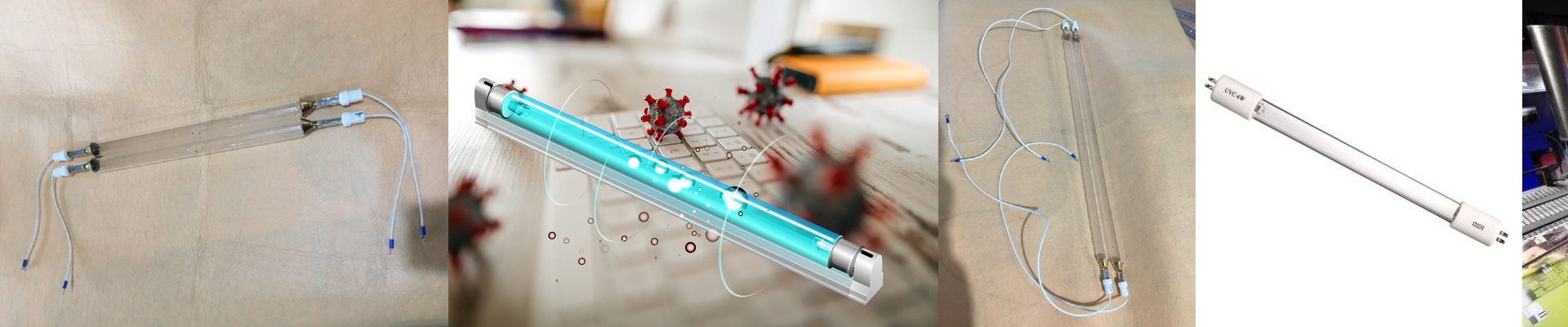
Here is the tricky part about UV-C lamps: they wear out, but you can’t actually see it happening. The bulb still looks bright to your eyes, but the germicidal punch—the part that actually kills the bugs—is fading away. That’s where the monitoring comes in. By keeping an eye on the voltage and current, we can spot a “power signature” shift. It’s like a warning light on your car dashboard. The system tells you the bulb needs replacing before your sterilization cycle fails and creates a real problem. We plug this data into a central dashboard via IoT controllers. Now, you can see the health of every single lamp in your facility from one screen. No more walking around with a clipboard tracking hours by hand.
The Trade-offs
Now, this isn’t as simple as swapping a lightbulb. Adding smarts to the hardware means the wiring gets a bit more complex. You can’t just use a basic socket; you’ll need a smart ballast to handle the data. Yes, it costs more upfront. But think about the alternative: running a “dark” lamp. That’s a bulb that looks like it’s on, but isn’t actually hitting that 254nm wavelength needed to get the job done. That’s a risk most of us can’t afford to take.
Making Life Easier for Engineers
If you’re managing hundreds of bulbs, this changes your entire day. You can stop replacing lamps on a rigid calendar. Usually, that means tossing bulbs that still have 10% or 15% of their life left just to be safe. That’s a waste of money. With this setup, you only swap them when the energy performance actually drops. We’ve made these systems easy to drop into existing fixtures, as long as your power supply can handle the extra bit of overhead for the telemetry module. It just makes sense.