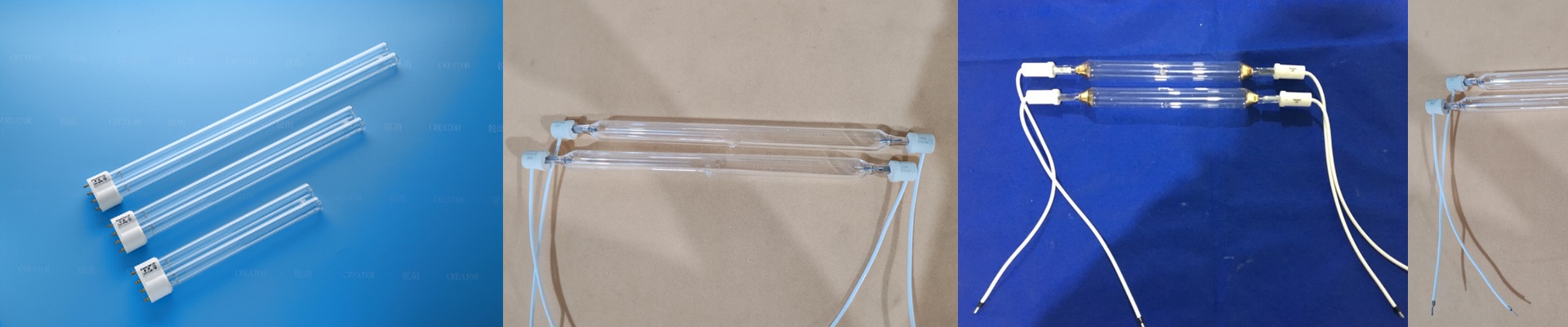
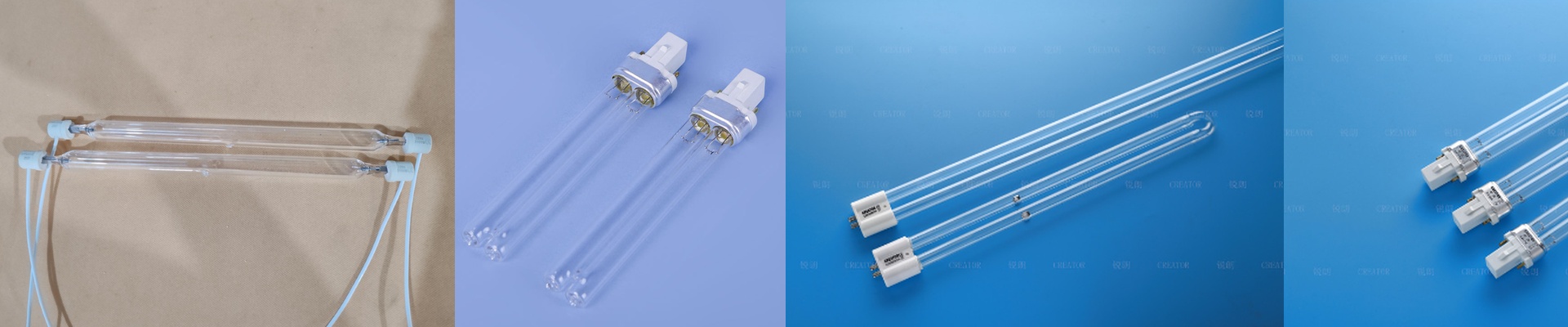
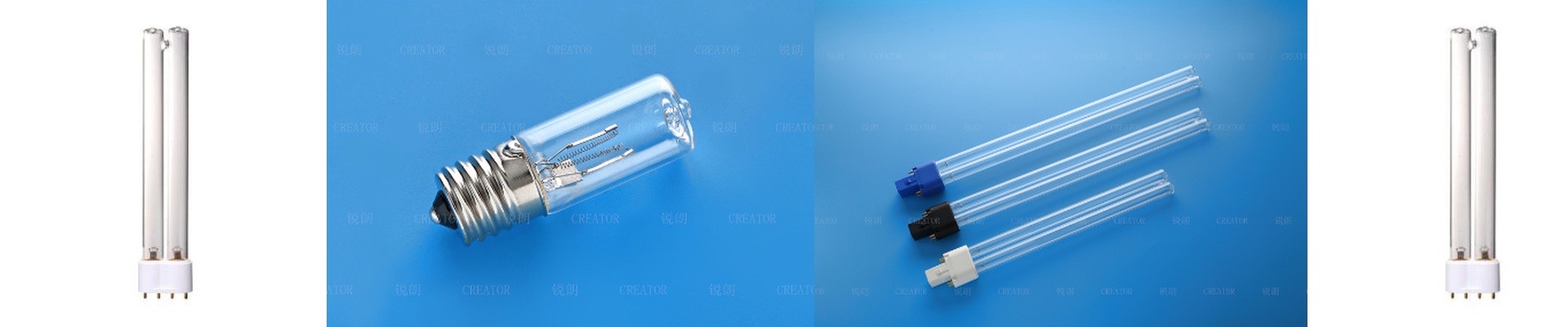
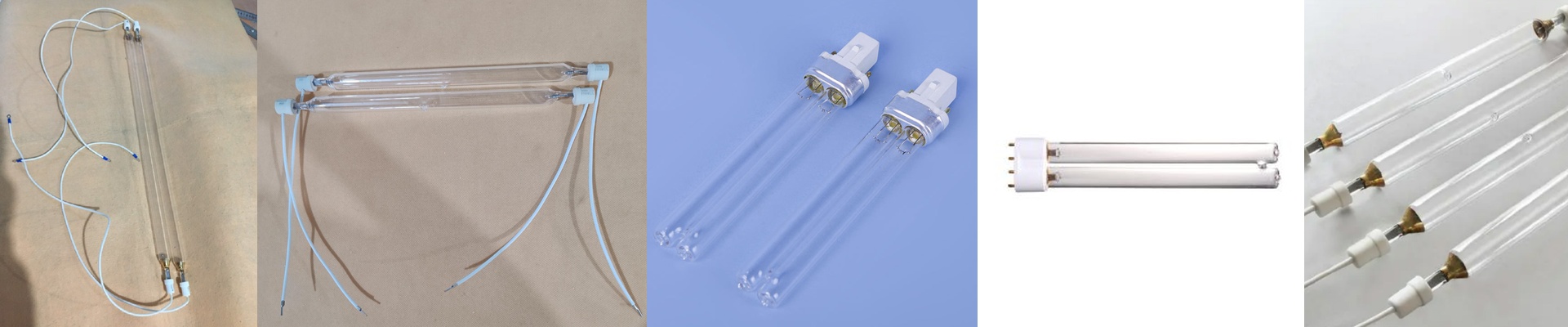
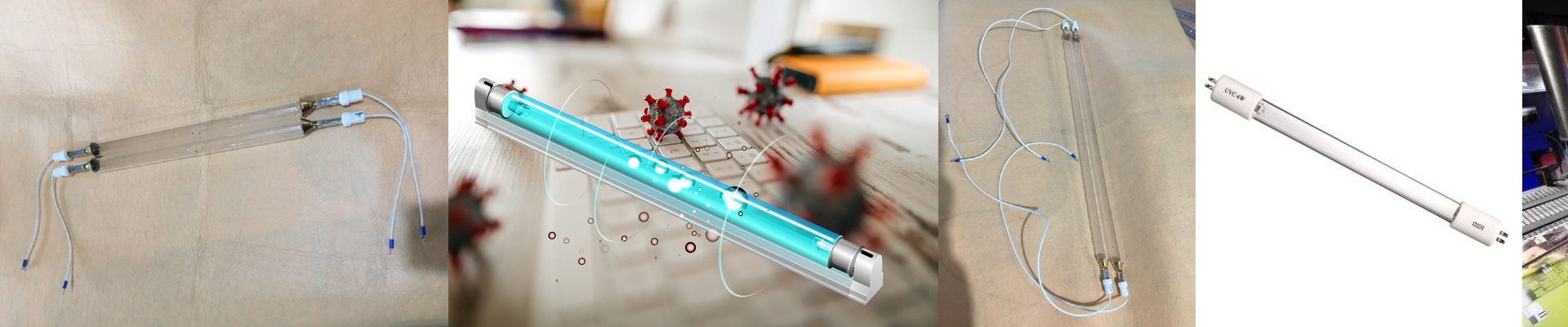
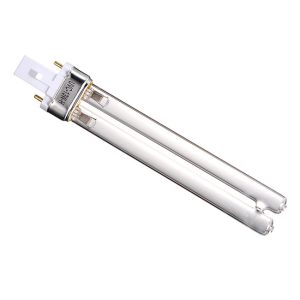
Small and medium printers run tight budgets—especially when it comes to air quality. When HVAC coils and ducts stay damp, the microbial load climbs: mold spores, biofilm, and VOCs that drift into the shop and land on the work. A weak germicidal lamp gives you a number on a spec sheet, not real disinfection. We built our HVAC UV germicidal light for the floor you actually have—compact, tough, and specified in irradiance, not hype. What matters is delivered output. Our lamp hits the 254 nm germicidal band with a measured peak irradiance of 120–150 μW/cm² at 1 meter, depending on the quartz sleeve and reflector package. That translates to a dose at the coil surface that consistently exceeds 40 mJ/cm² in typical duct velocities—enough to rupture microbial cell walls and break down volatile organic compounds. We run ozone-free quartz and a stable ballast profile so output doesn’t collapse after a few hundred hours. Units routinely hit 9,000+ hours with less than 8% output drop. The fixture is sized for standard HVAC access points, and the terminal blocks and mounting geometry fit the rails and brackets you already use. Why it works in practice is straightforward: it turns clean air into a repeatable process. Installed upstream of the coil, it keeps drain pans and fins from turning into biofilm nurseries. That means less odor, fewer shutdowns for coil cleaning, and a lower risk of contamination near UV printing lines. Power draw stays modest, and maintenance is predictable—swap the lamp on schedule, not because output tanked. One thing to get straight: 254 nm UVC is hazardous to skin and eyes. The lamp has to be fully enclosed and interlocked, and installed only in dead-leg or shielded airstream locations where there’s zero personnel exposure. Check duct material compatibility—some polymers and adhesives degrade under prolonged UVC exposure. And when you verify performance, use a calibrated UVC radiometer at the work plane. Lamp wattage doesn’t tell you what matters.