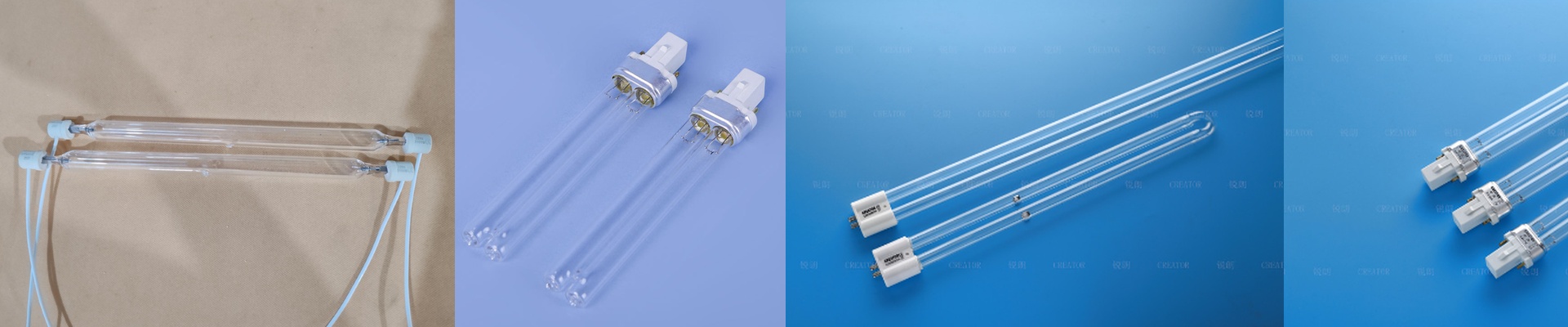
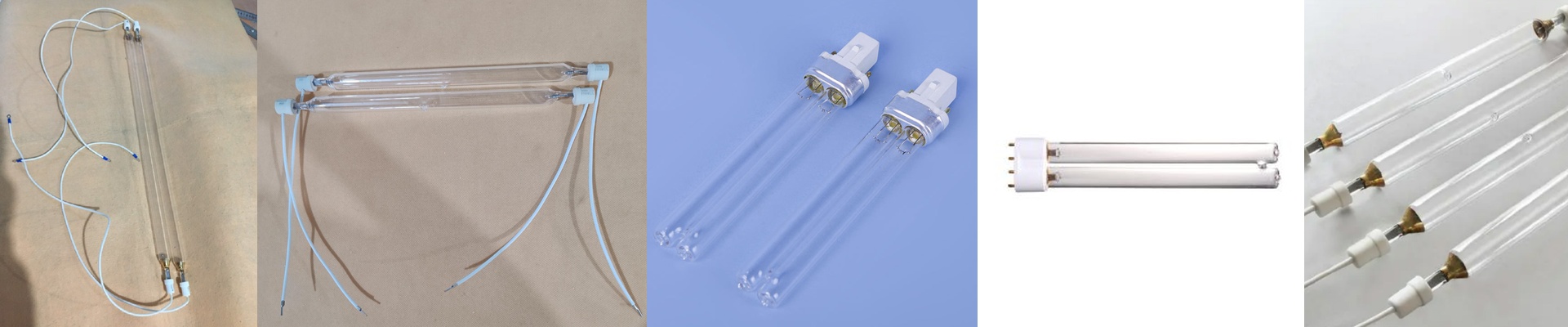
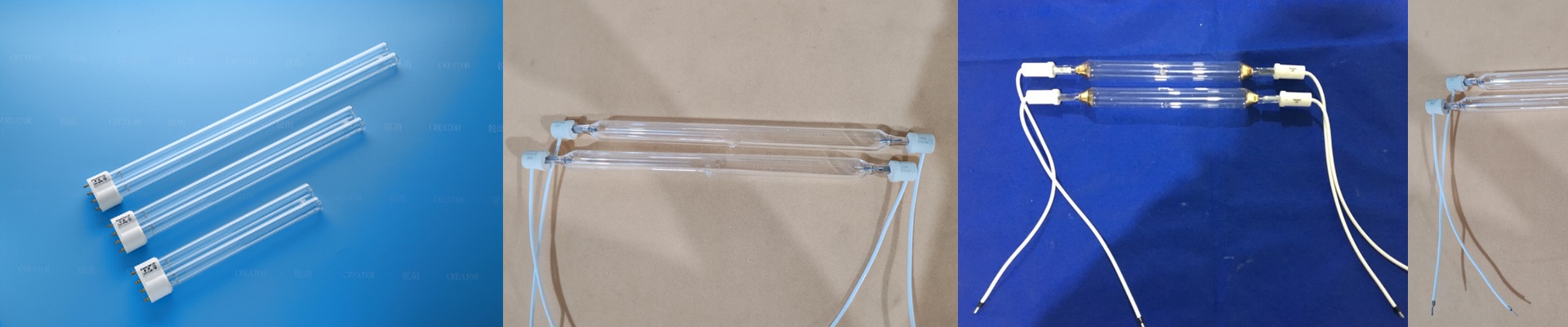
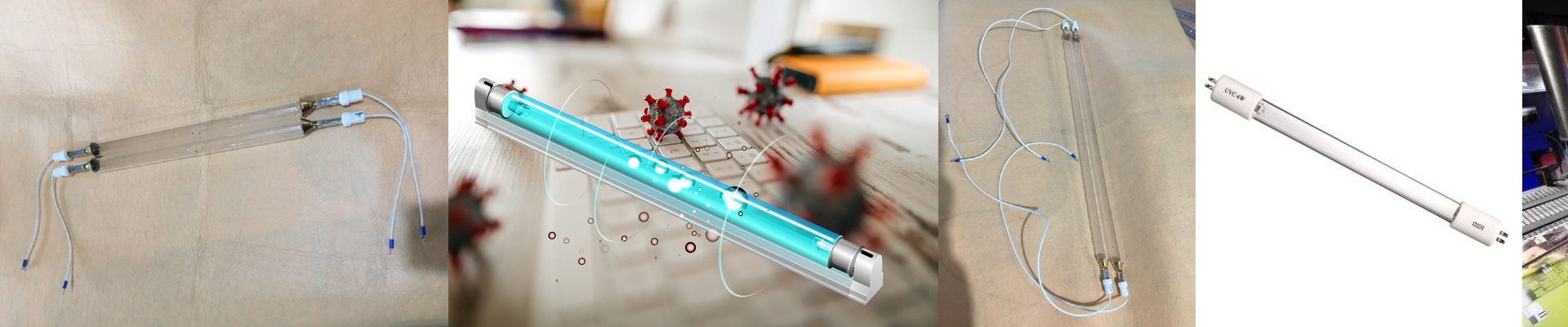
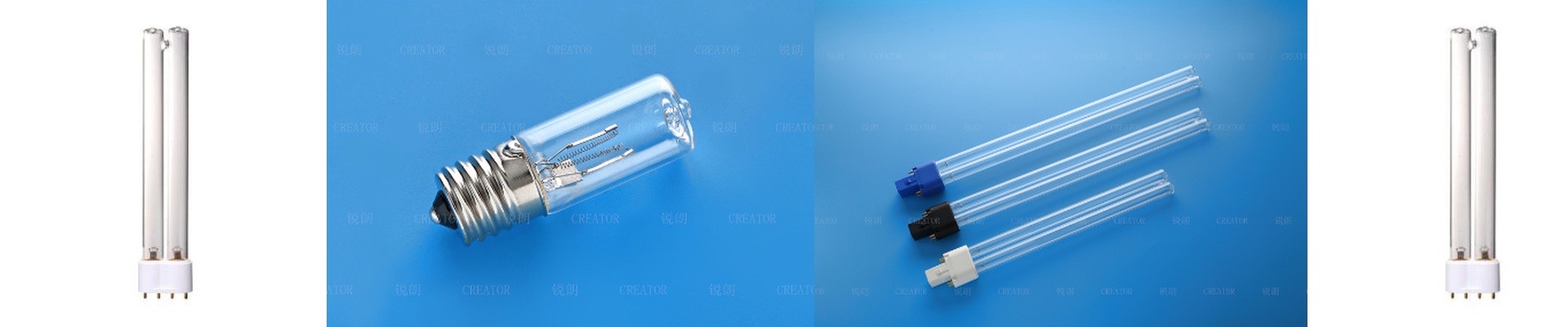
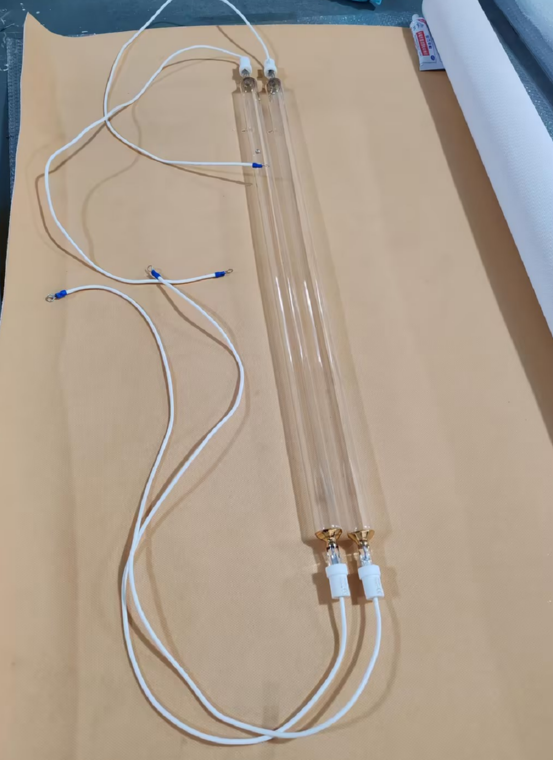
On the electronics printing line, the substrate isn’t just thin—it’s thermally fragile. If the lamp output and ink chemistry aren’t matched, you can push component temperature past Tg and get warp, delamination, or latent failure. The Excelitas UV lamp source tackles that with engineered control, not guesswork. What matters, technically We run high-pressure mercury vapor lamps with stable spectral output, centered on the 365 nm and 385 nm lines, matched to the photoinitiator absorption in UV offset, flexo, and screen inks. Peak irradiance is tuned by reflector geometry and dichroic coatings, giving 800–1200 mW/cm² at the arc plane. Output is modulated by closed-loop lamp power, holding the setpoint within ±2%. Curing energy density stays repeatable at 500–1200 mJ/cm²—enough for fast cross-linking while keeping peak substrate temperature under 65°C. Lamp life targets 2000–3000 hours, and output decay stays below 8% across the interval. Why it works on the floor Precision power adjustment gives you a fast cure front without cooking the substrate. Drop lamp power for ultra-thin PET, dial it up for thicker conformal layers, and you still keep dot gain and registration within tolerance. The payoff is fewer rejects, stable ink adhesion, and consistent cure depth shift after shift. Dimming cuts energy draw, and fewer lamp changes help uptime. The details that bite The lamp has to match the fixture. Confirm reflector focal distance, aperture size, and shutter duty cycle. Make sure the printer’s power supply can handle the lamp’s ignition surge and the dimming range. When you run at reduced power, expect a bit more warm-up time to reach spectral stability, and plan airflow to keep the arc zone cool.