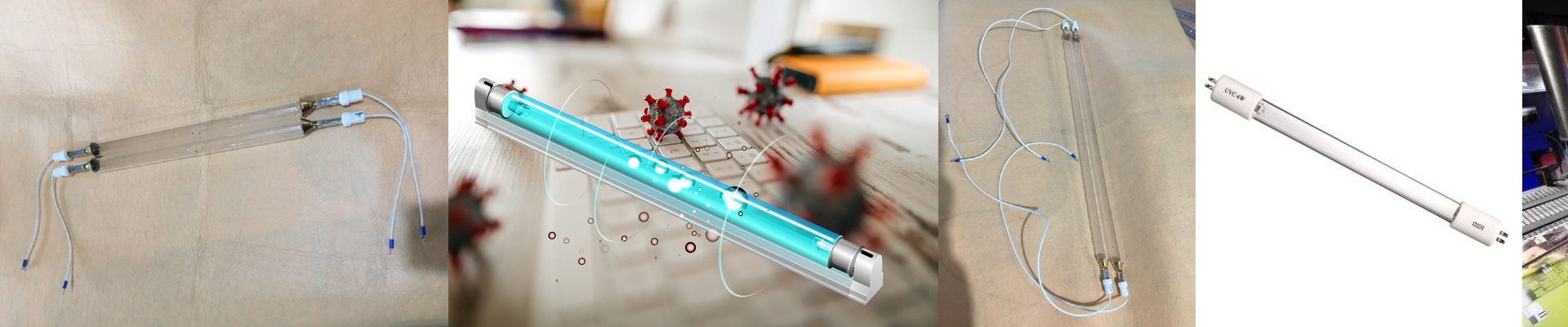
Let’s Talk UV Germicidal Lamps: Keeping Things Clean and Safe
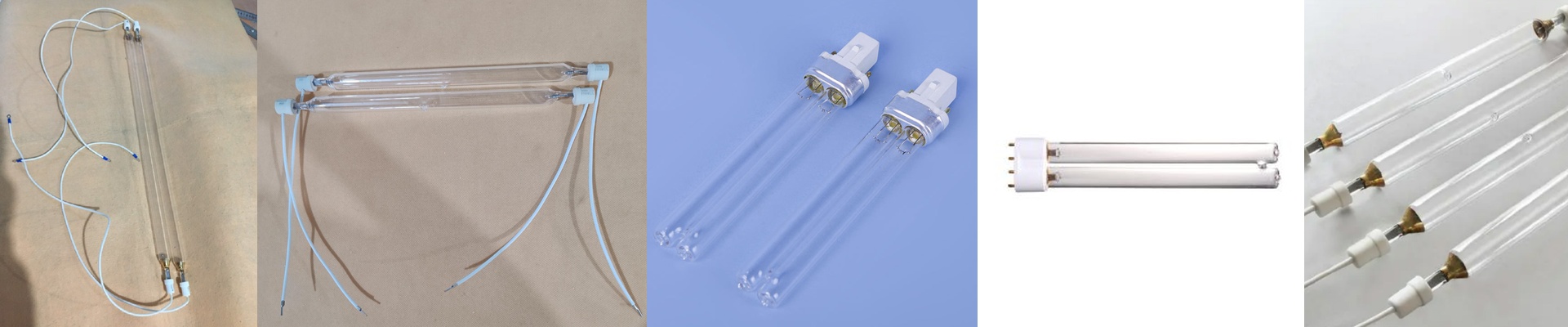
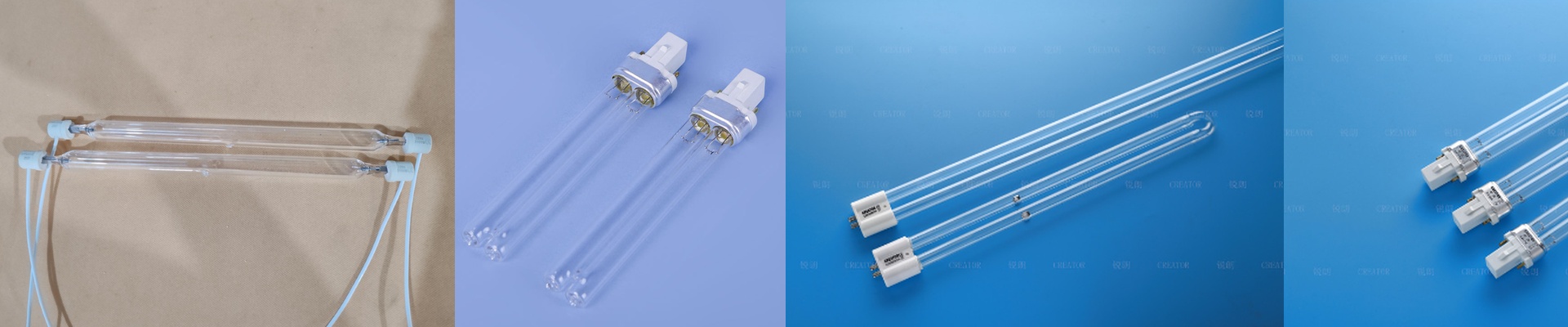
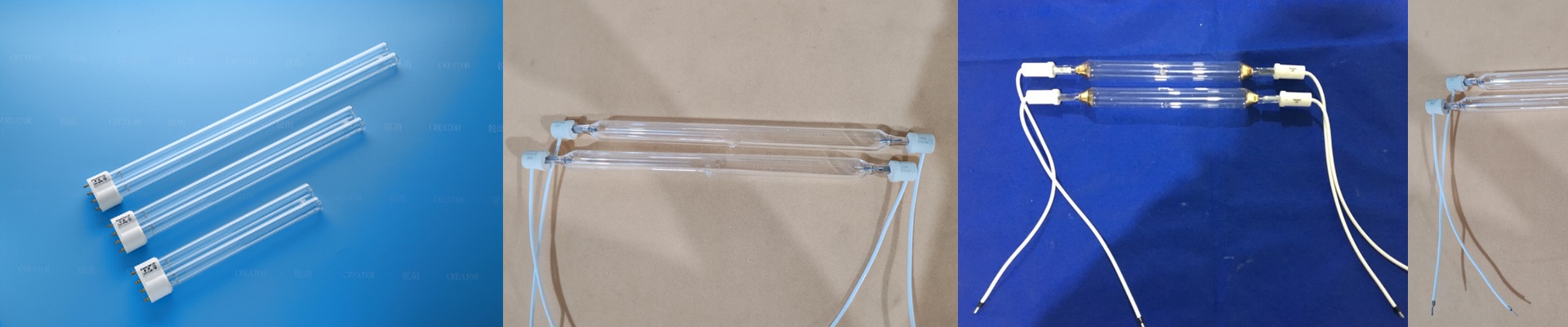
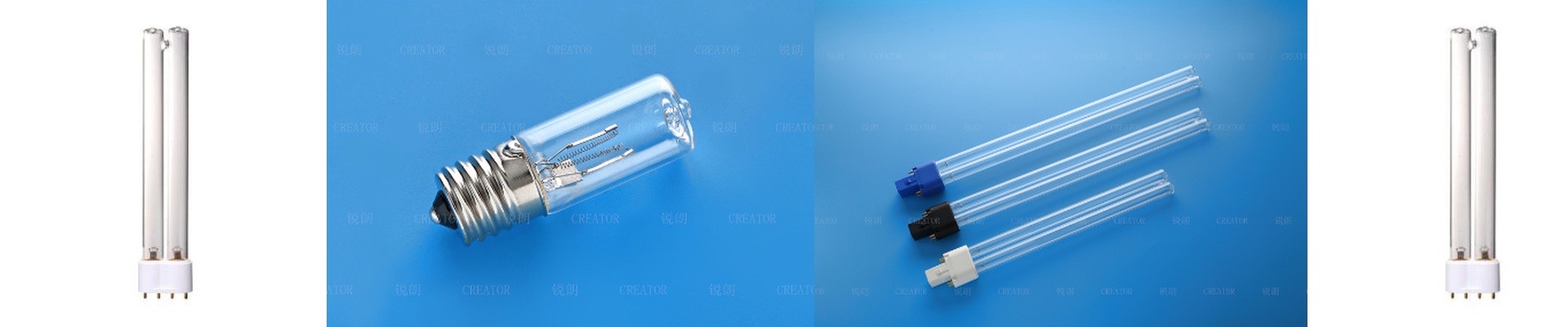
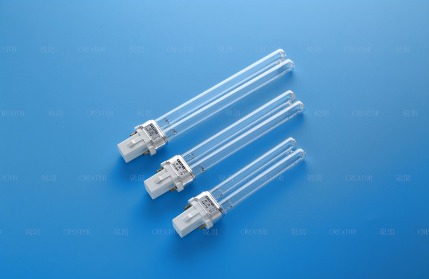
Here is the deal with UV lamps: they work by blasting microorganisms with shortwave radiation (usually around 253.7 nm) to scramble their DNA. It’s incredibly effective, but because that same radiation can mess with your skin and eyes, we don’t mess around with the safety side of things. The Glass Matters More Than You Think You can’t just use any old glass here. Standard glass actually blocks UVC rays, which would make the lamp a very expensive, glowing paperweight. That’s why we use high-purity synthetic quartz. We have to be precise with the transmission rates so the power doesn’t just dip out of nowhere. We also keep a close eye on the mercury vapor pressure inside the tube. If that pressure is off, you get hotspots. And hotspots lead to cracked tubes. Nobody wants that. Don’t Just Plug It In One big mistake people make is trying to wire these lamps directly into a wall outlet. Please, don’t do that. These lamps need a dedicated electronic ballast to handle the initial “strike” and keep the current steady. If you use the wrong one, you’ll deal with annoying flickering or the electrodes will just burn out way too fast. We build our lamps to fit specific ballast footprints so you don’t have to worry about voltage spikes frying your gear. The Ozone Trade-off Now, it’s tempting to just go for the highest wattage possible to kill germs faster. But there’s a catch. Some lamps emit 185 nm radiation along with the usual 253.7 nm. When that happens, the lamp starts turning the oxygen in your air into ozone. It smells sharp, and if you don’t have a good ventilation system or a catalyst to break it down, that ozone will actually start eating away at your machine’s chassis. It’s a silent killer for your hardware. The “Hidden” Maintenance Here is the part that trips people up: these aren’t “set it and forget it” tools. The UV output drops over time. The tricky part? The lamp will still glow a bright, pretty blue even when it’s no longer actually sterilizing anything. Keep a log of your lamp hours. Swap them out before the power dips below the threshold, or you’re just running a fancy blue light without any of the actual cleaning power.