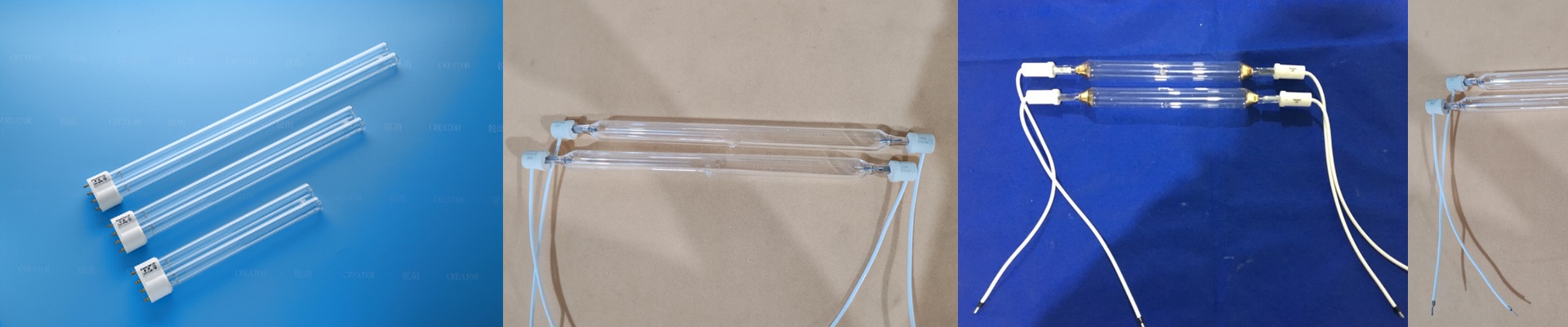
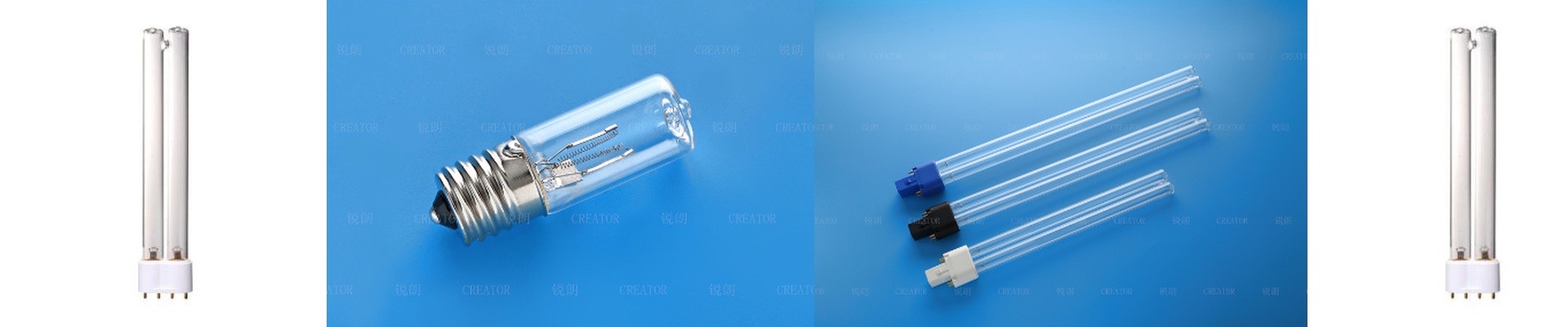
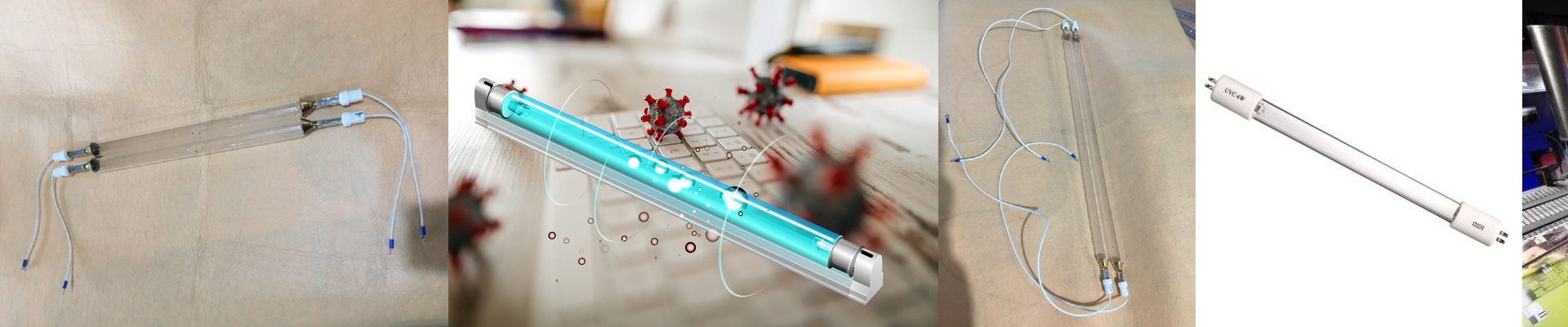
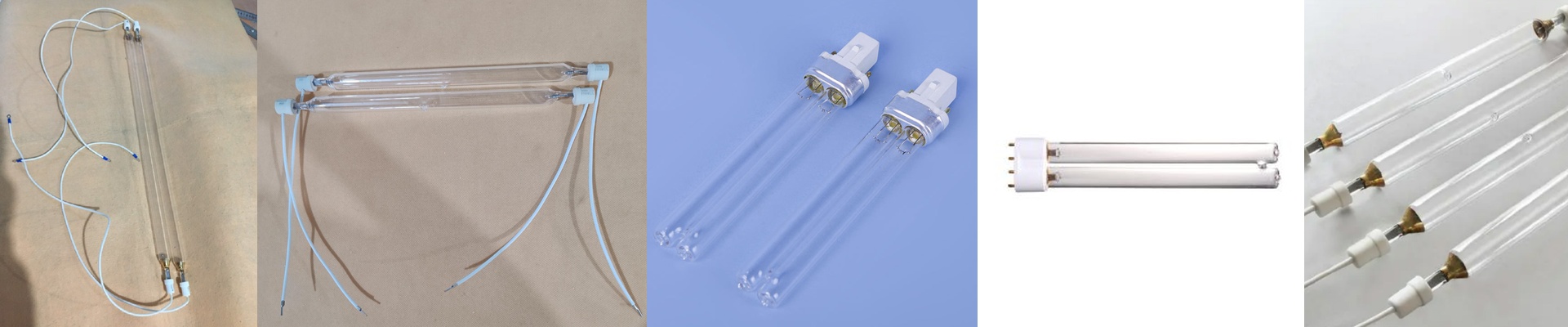
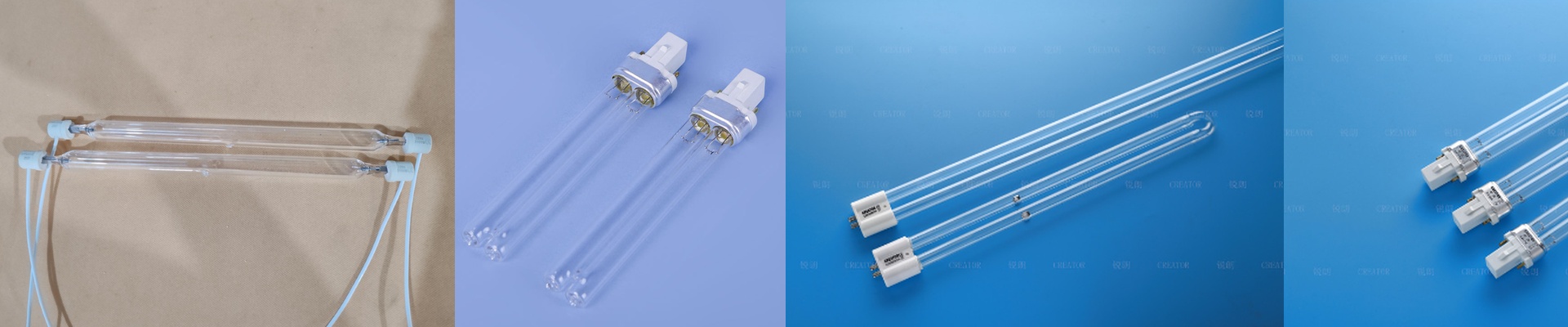
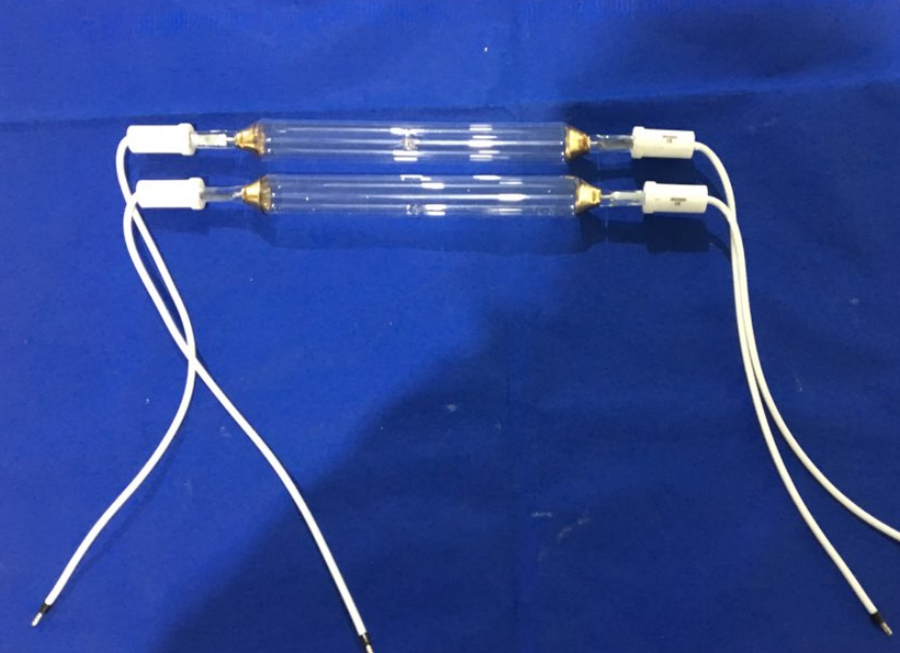
On the floor, a fingerprint on the quartz sleeve of a UVC germicidal bulb isn’t just a smudge. It turns into a hotspot that throws off thermal behavior, blocks UVC transmission, and pushes the lamp toward early failure. You check output with a radiometer, so you already know what that looks like: lower irradiance, longer exposure times, and curing or disinfection that starts to drift. UVC germicidal bulbs lean on high-purity quartz to deliver the 254 nm line cleanly. Skin oils and dust residues bake into a carbonized film once the envelope hits operating temperature. That film eats UVC, spikes local heat, and stresses the quartz—speeding up devitrification and cutting the lamp short. The hit is measurable. A contaminated sleeve can shed 15–30% of effective output within the first 200 hours, and lamp life can drop by 20–40%. We build these bulbs to hold steady output across UV offset, flexo, screen, and other UV-enabled lines. Ozone-free quartz and engineered electrodes give reliable ignition and a stable arc. Matching a bulb to your press comes down to aligning arc length, wattage density, and end fittings to the reflector geometry and airflow profile. Get the geometry and power right, and you keep peak irradiance stable with predictable lamp life. Installation discipline matters. Handle the lamp with clean gloves or a lint-free wipe. Wipe the quartz with 99% isopropyl alcohol before you energize, and confirm the reflector is clean and aligned. Never run the lamp without proper airflow—quartz runs hot, and overheating hastens output decay. If you’re running dichroic-coated reflectors, make sure the bulb’s spectral output fits the process window. **Treat the quartz like an optical element, not a handhold.**Do that, and the system runs the way it was designed.