Introduction
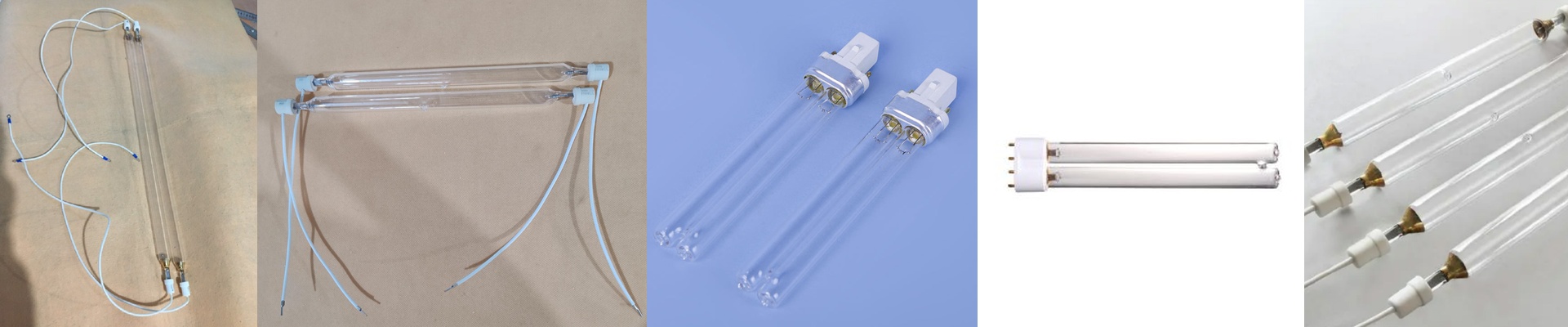
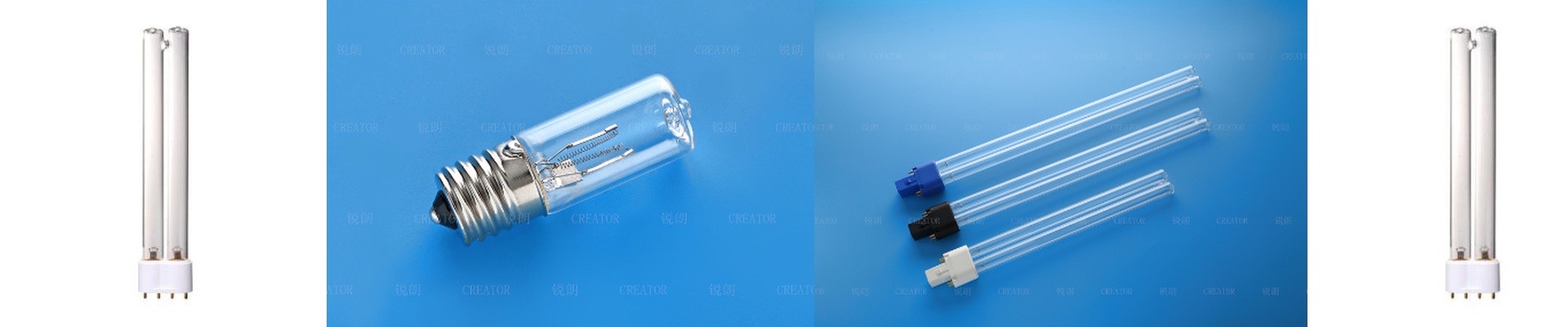
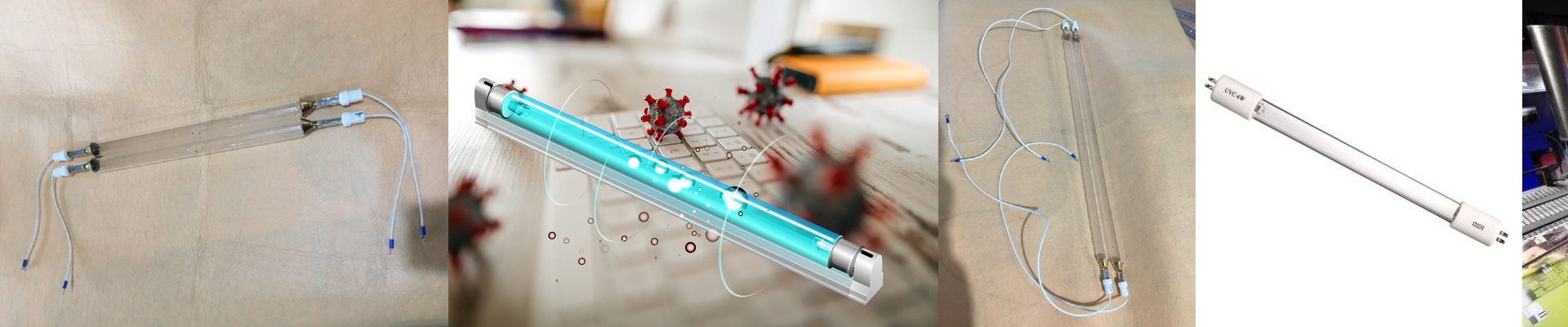
Ever run a weirdly shaped part through a print line and watch it come out half-baked? Those shadow zones are a nightmare. We build mercury arc lamps specifically to fix that. These aren’t your average heaters. They’re engineered to blast high-intensity UV right where you need it, even on parts that aren’t flat. We tweak the arc geometry and the light spectrum so the energy reaches into every nook and cranny. No more dead zones. No more over-curing the easy spots. Just consistent coverage.
Getting to the Good Stuff: Power, Voltage, and Shape
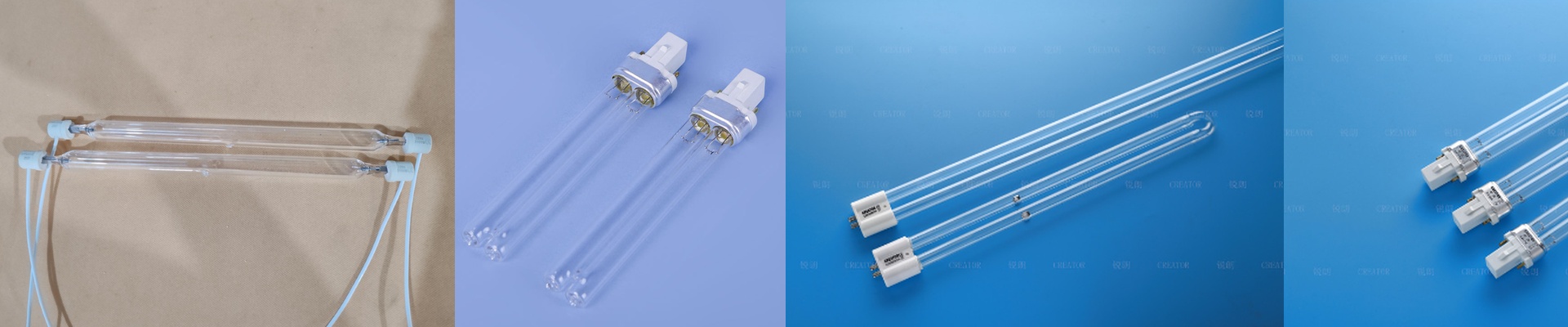
At the heart of it, we’re talking about a high-intensity discharge lamp. It runs at high voltage, packed inside a tough quartz tube, and churns out serious UV power. But here’s what matters for you: control. We match the lamp’s wattage and arc length to your line speed and the shape of your part. That’s how we concentrate the UV dose exactly where it’s needed. It all comes down to the details. The length of the lamp and the position of the arc define the coverage area. If your part has deep grooves or stepped edges, we spec the lamp so the “hot zone” covers the whole surface, not just the tops.
The Nitty-Gritty: What It’s Made Of
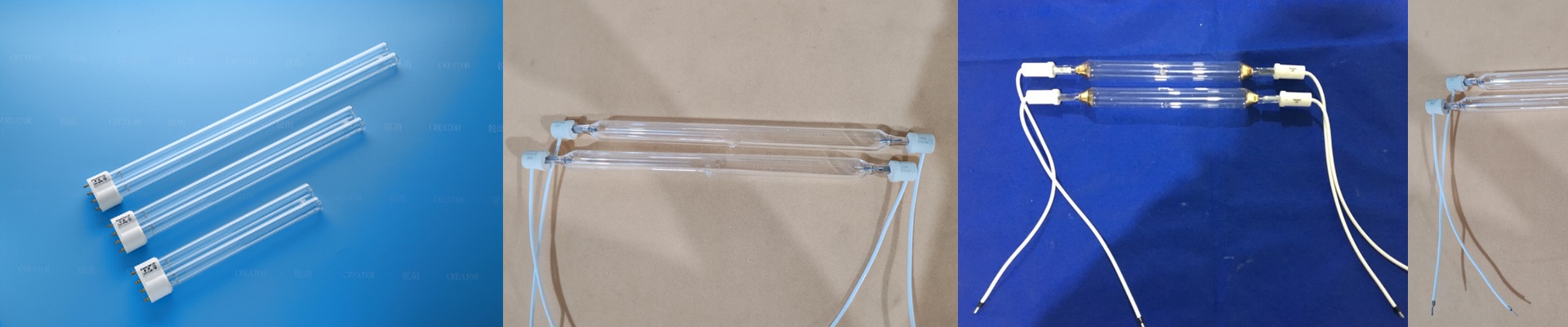
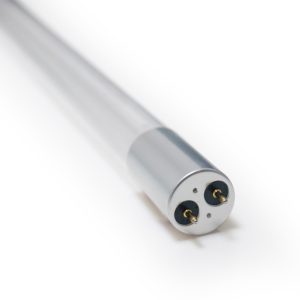
The quartz envelope is the workhorse. It handles the high pressure and high heat, all while letting the UV light through. Inside, we use special doping and coatings to shape the light spectrum. We shift the energy toward the wavelengths your ink or coating actually absorbs. This means less wasted heat and a more even cure, even on those tricky contours. And the hardware? It’s built to last. We use industrial connectors that handle high current and the constant heating and cooling cycles. They’re designed for quick replacement and a rock-solid connection, so you get reliable performance without hotspots or flickering.
Real-World Results: Curing the Tough Stuff
Here’s where it all comes together. We tune the arc and the output to match your part’s contours, which means even the low-lying edges get enough UV intensity. The payoff? Consistent curing, way fewer rejects, and your line keeps moving. But there’s one thing to keep in mind. The power is intense, so you need a solid cooling plan. The airflow and reflector spacing have to be engineered right to manage the heat. If not, the lamp will run too hot, which shortens its life and throws off the cure.