On the press, thick-build jobs blow up when the top surface cures before the bottom. The ink skins over, trapping solvents and uncured photoinitiator. You know what follows: adhesion loss, cracking, and whole runs that come off the stack as scrap.
What actually matters
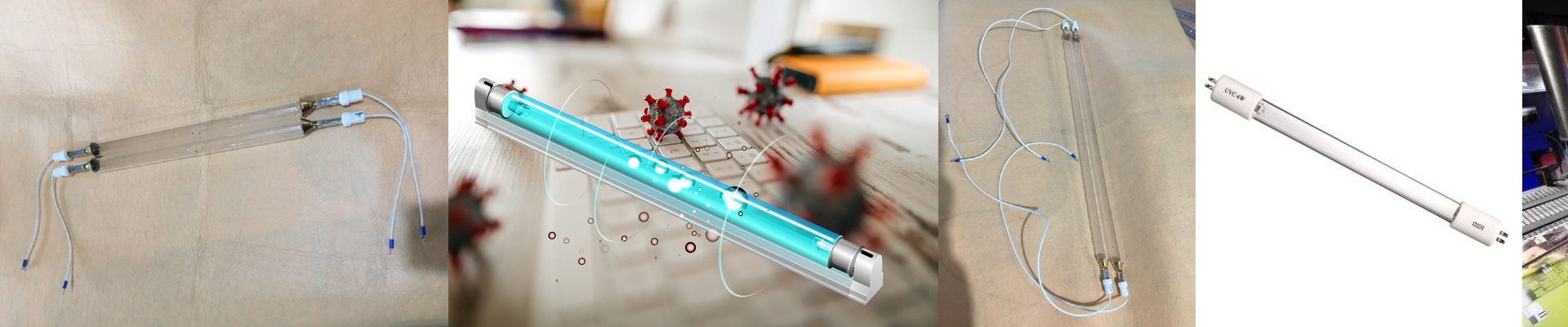
Thick-build ink cures through photopolymer cross-linking, and that comes down to delivered UV energy density (mJ/cm²), not the “lamp power” someone wrote on a spec sheet. Peak irradiance at the substrate controls how fast you hit the ink’s dose threshold, while spectral output controls how deep that dose penetrates. High-pressure mercury vapor lamps put out strong 365nm, and that wavelength punches deeper through pigmented and filled systems than shorter wavelengths do. When the photoinitiator absorption band lines up with the lamp spectrum, the cure front moves from the bottom up. Pair that with a dichroic reflector to focus the output and a stable arc to keep spectral distribution consistent, and you can hold a repeatable dose through the full layer thickness.
Why this setup earns its keep
Thick-build work needs depth—not just a fast surface cure. With 365nm-dominant output and high peak irradiance, the lamp pushes enough energy through the full build so the bottom cures to full cross-link, not just a skin. In practice, that means fewer tack-off headaches, more throughput without throttling the line, and less scrap from under-cure. You keep energy density across the print profile, so you can run at higher speeds and still hit the same cure window instead of slowing down to avoid surface-only curing.
The shop-floor details you can’t skip
Depth penetration demands tight positioning. Keep lamp distance and reflector alignment inside the printer’s stated tolerance; otherwise irradiance uniformity drifts and the bottom layer under-cures. Plan for output decay over lamp life—track cumulative hours and verify dose with a spectral radiometer. For ozone-free operation, run an ozone-free quartz sleeve or a vented housing. If you don’t, ozone buildup chews up components and makes curing stability a moving target.
ترجمه
در دستگاه چاپ، هنگام استفاده از رنگهای ضخیملایه، وقتی سطح بالایی قبل از لایه پایینی خشک میشود، مشکلاتی ایجاد میشود. سطح رنگ زود خشک شده و حلالها و فتونیازیکنندههای درماننشده در زیر آن به دام میافتند. نتیجه این اتفاقات برای شما آشناست: از دست دادن چسبندگی، ترکخوردگی و کل دستههای چاپشده که به عنوان ضایعات کنار گذاشته میشوند.
نکتهای که واقعاً اهمیت دارد
خشکشدن رنگهای ضخیملایه از طریق اتصال متقاطع فوتوپلیمری انجام میشود و این به چگالی انرژی UV تحویلی (mJ/cm²) بستگی دارد، نه «توان لامپ» که در مشخصات نوشته شده است. شدت تابش اوج در سطح زیرین، سرعت رسیدن به آستانه دوز رنگ را کنترل میکند، در حالی که خروجی طیفی تعیین میکند این دوز تا چه عمقی نفوذ میکند. لامپهای بخار جیوه فشار بالا نور قوی در طول موج 365nm تولید میکنند که این طول موج عمق بیشتری را در سیستمهای حاوی رنگدانه و پرکننده نسبت به طول موجهای کوتاهتر نفوذ میدهد. وقتی باند جذب فتونیازیکننده با طیف لامپ همپوشانی داشته باشد، پنجره خشک شدن از پایین به بالا حرکت میکند. این مورد را با یک بازتابدهنده دایکرویک برای متمرکز کردن خروجی و قوس پایداری برای حفظ توزیع طیفی یکنواخت ترکیب کنید تا بتوانید دوز قابل تکرار را در طول کل ضخامت لایه حفظ کنید.
چرا این تنظیمات کارایی دارد
کارهای ضخیملایه نیازمند عمق هستند — نه فقط خشک شدن سریع سطحی. با خروجی غالب 365nm و شدت تابش اوج بالا، لامپ انرژی کافی را در کل حجم ارسال میکند تا لایه پایینی نیز کاملاً اتصال متقاطع انجام دهد، نه فقط ایجاد یک پوسته سطحی. در عمل، این به معنی کاهش مشکلات چسبندگی ضعیف اولیه، افزایش تولید بدون کاهش سرعت خط و کاهش ضایعات ناشی از خشک شدن ناقص است. چگالی انرژی را در کل نمایه چاپ حفظ میکنید، بنابراین میتوانید با سرعتهای بالاتر کار کنید و همچنان به بازه خشک شدن مورد نظر برسید، بدون اینکه مجبور به کاهش سرعت برای جلوگیری از خشک شدن سطحی باشید.
جزئیات کف کارخانه که نمیتوانید نادیده بگیرید
نفوذ عمق نیازمند موقعیتیابی دقیق است. فاصله لامپ و تنظیم بازتابدهنده باید در محدوده تحمل اعلام شده توسط چاپگر حفظ شود، در غیر این صورت یکنواختی شدت تابش تغییر کرده و لایه پایینی به خوبی خشک نمیشود. افت خروجی در طول عمر لامپ را در نظر بگیرید — ساعات کارکرد تجمعی را ثبت کنید و دوز را با یک طیفسنج طیفی تأیید کنید. برای عملکرد بدون اوزون، از یک کاور کوارتز بدون اوزون یا محفظه دارای تهویه استفاده کنید. در غیر این صورت تجمع اوزون، قطعات را تخریب کرده و پایداری فرآیند خشک شدن را به یک هدف متغیر تبدیل میکند.