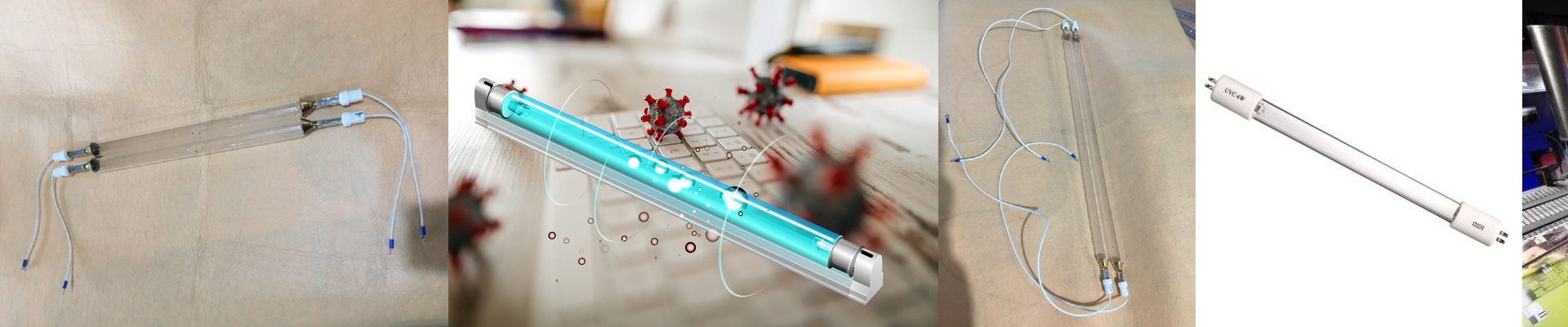
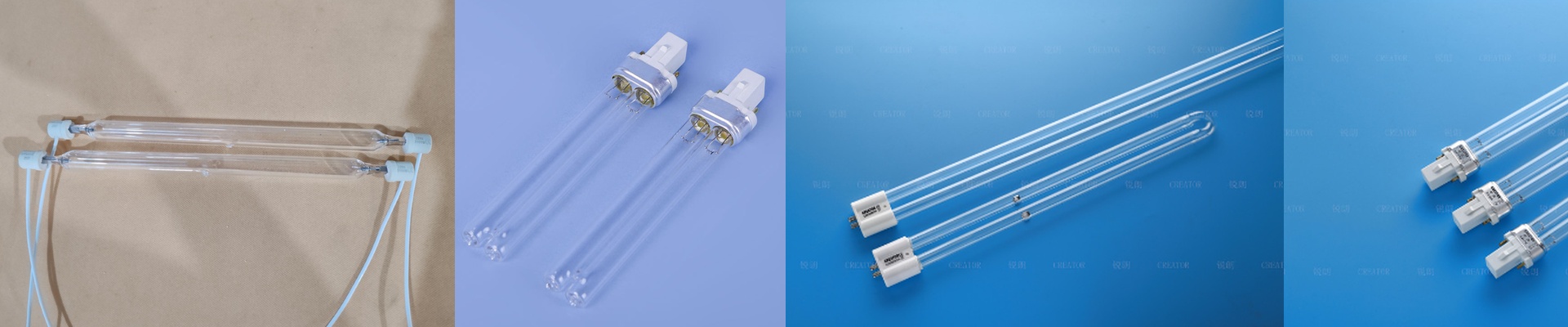
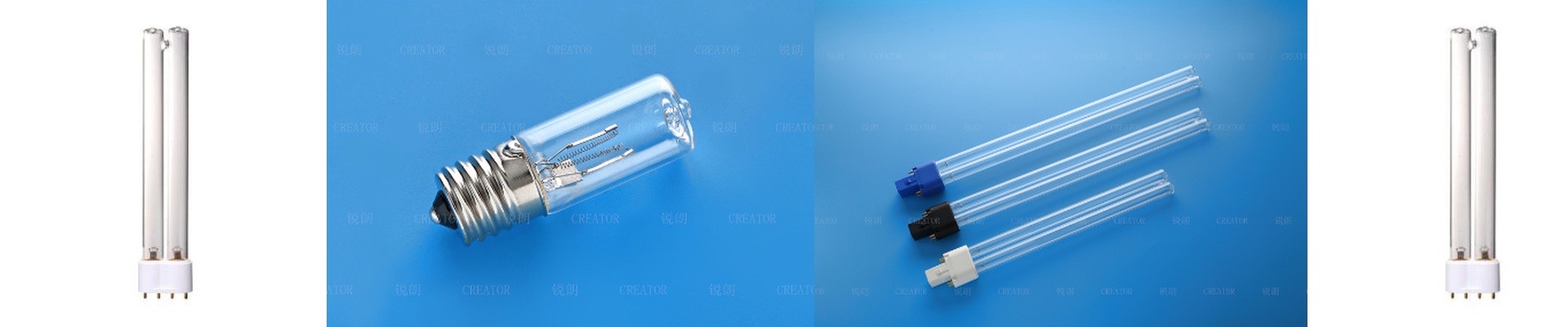
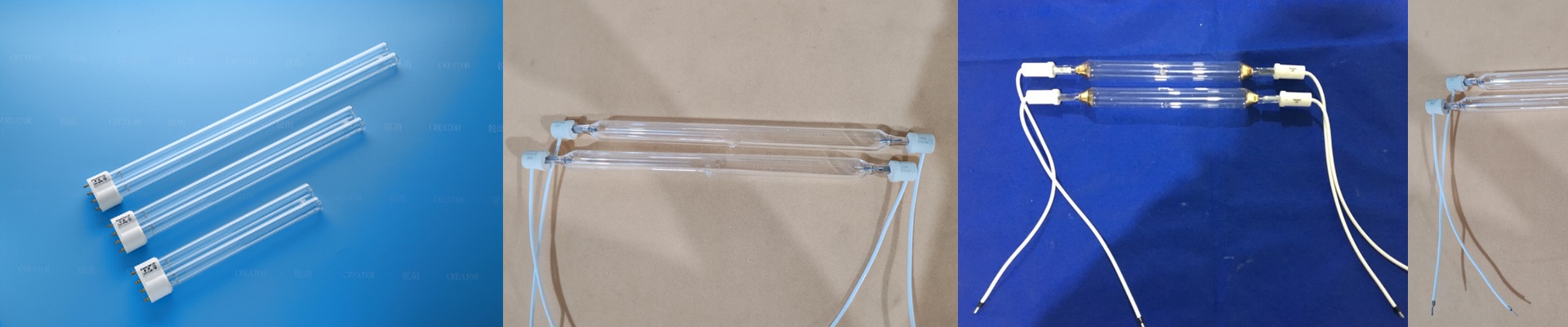
On the press, thick-build jobs blow up when the top surface cures before the bottom. The ink skins over, trapping solvents and uncured photoinitiator. You know what follows: adhesion loss, cracking, and whole runs that come off the stack as scrap.
What actually matters
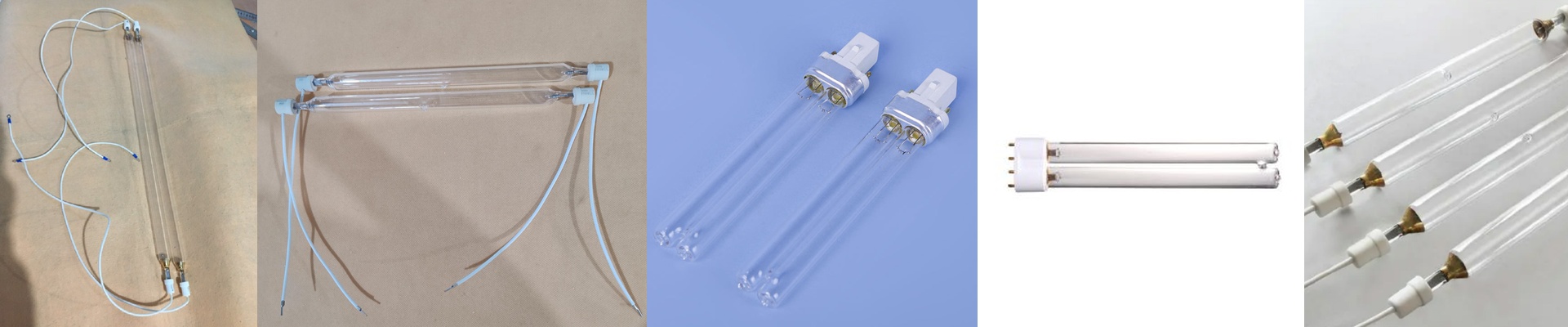
Thick-build ink cures through photopolymer cross-linking, and that comes down to delivered UV energy density (mJ/cm²), not the “lamp power” someone wrote on a spec sheet. Peak irradiance at the substrate controls how fast you hit the ink’s dose threshold, while spectral output controls how deep that dose penetrates. High-pressure mercury vapor lamps put out strong 365nm, and that wavelength punches deeper through pigmented and filled systems than shorter wavelengths do. When the photoinitiator absorption band lines up with the lamp spectrum, the cure front moves from the bottom up. Pair that with a dichroic reflector to focus the output and a stable arc to keep spectral distribution consistent, and you can hold a repeatable dose through the full layer thickness.
Why this setup earns its keep
Thick-build work needs depth—not just a fast surface cure. With 365nm-dominant output and high peak irradiance, the lamp pushes enough energy through the full build so the bottom cures to full cross-link, not just a skin. In practice, that means fewer tack-off headaches, more throughput without throttling the line, and less scrap from under-cure. You keep energy density across the print profile, so you can run at higher speeds and still hit the same cure window instead of slowing down to avoid surface-only curing.
The shop-floor details you can’t skip
Depth penetration demands tight positioning. Keep lamp distance and reflector alignment inside the printer’s stated tolerance; otherwise irradiance uniformity drifts and the bottom layer under-cures. Plan for output decay over lamp life—track cumulative hours and verify dose with a spectral radiometer. For ozone-free operation, run an ozone-free quartz sleeve or a vented housing. If you don’t, ozone buildup chews up components and makes curing stability a moving target.