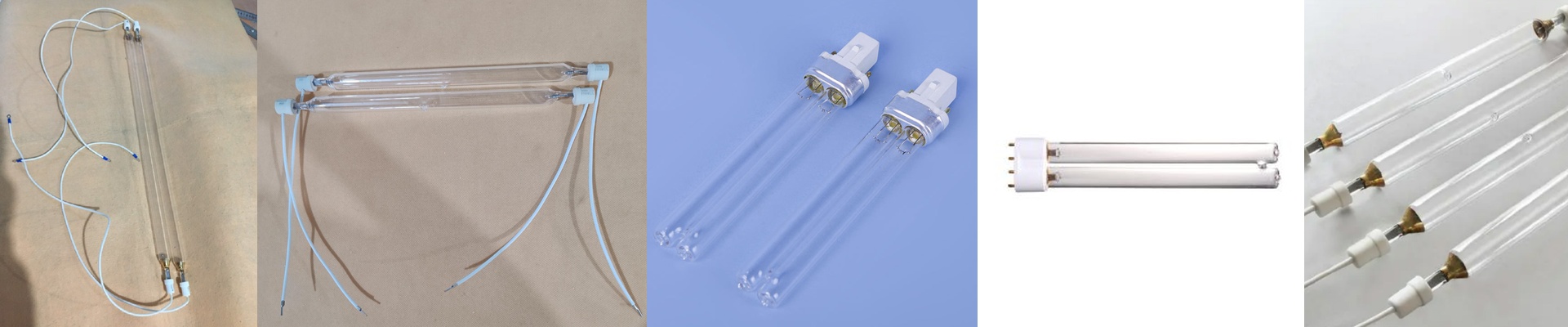
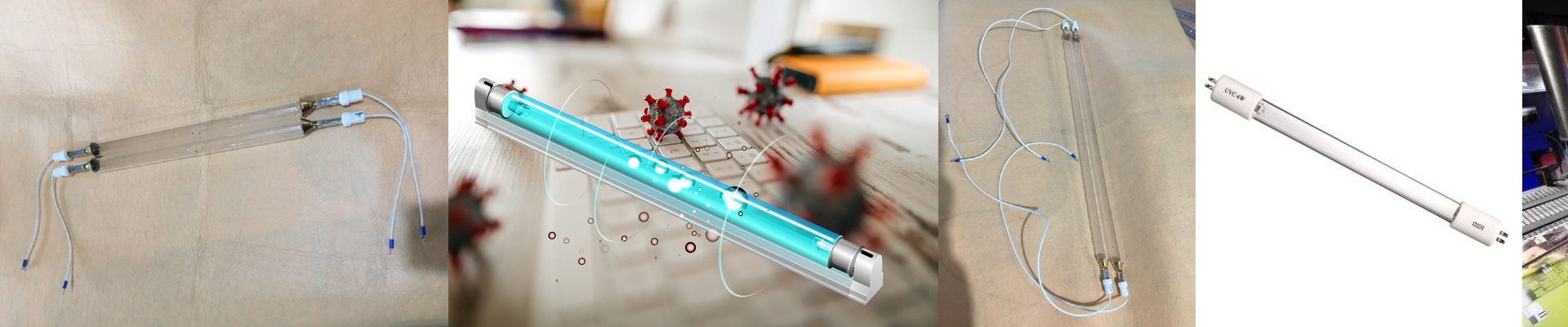
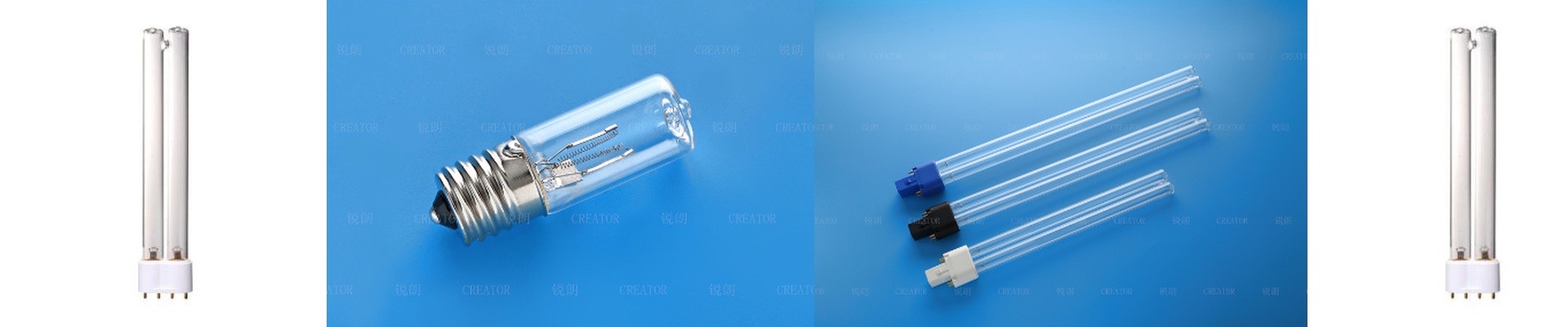
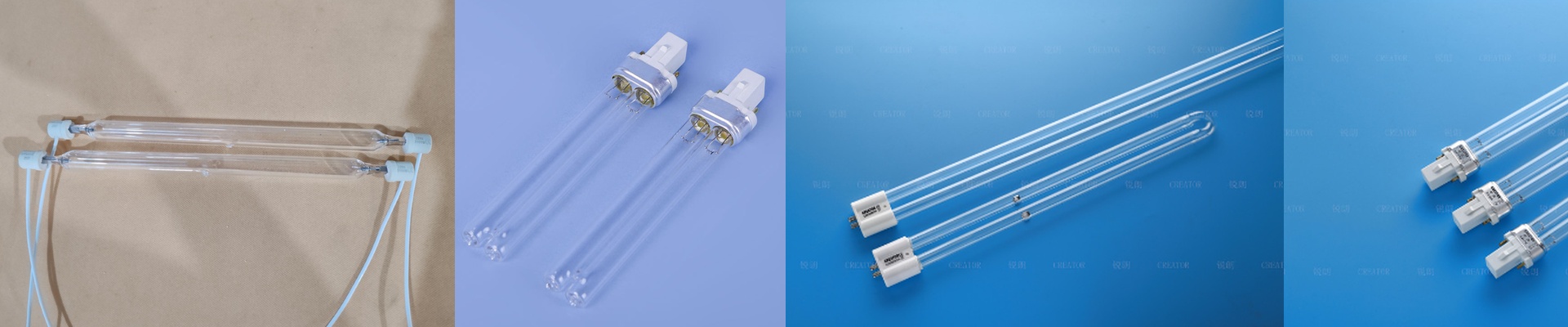
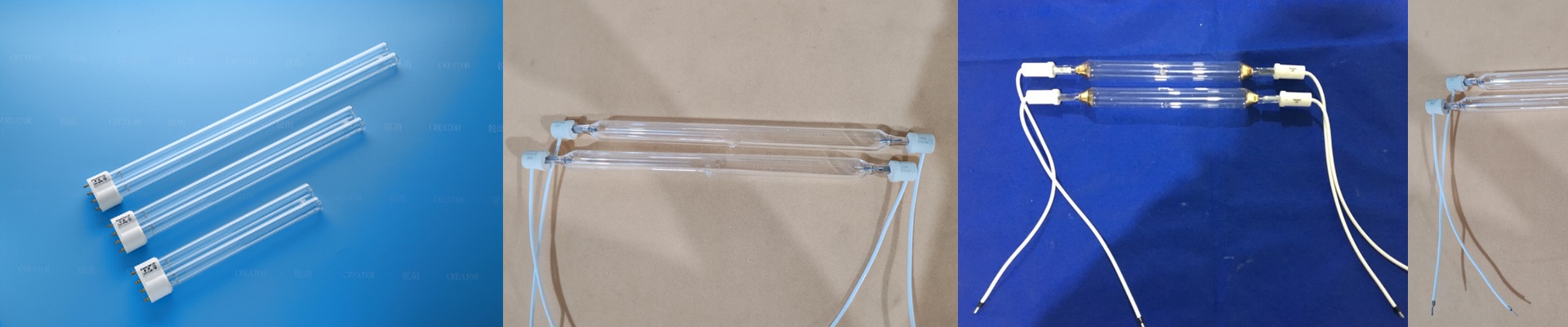
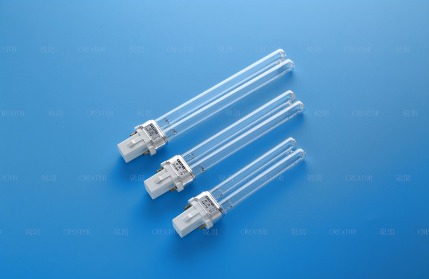
On the floor building air purification gear, nothing is cosmetic. When you’re dropping in UVC germicidal lamps to stop pathogen cross-contamination, the mounting hardware isn’t an “add-on.” It’s the interface between lamp and chamber. If the lamp is off-target or the bracket can’t hold steady, the sterilization envelope falls apart—and you’re risking both product integrity and end-user safety. What matters, technically We build UVC lamp bracket kits around two things you can’t fake: repeatable alignment and thermal behavior. Each bracket holds lamp position within ±0.5 mm, so the standoff distance stays right—otherwise you won’t hit the irradiance you need at the air stream boundary. The kits support standard low-pressure mercury lamps with 254 nm output, giving the germicidal dose required for microbial inactivation. Spec lamp power to match chamber volume and airflow velocity. Undersize, and the dose dips below the lethal threshold. Oversize, and you burn through lamp life faster while dumping extra heat into the system. The bracket material is chosen to resist UV degradation and stay stiff through thousands of thermal cycles, so reflector geometry and lamp-to-target geometry don’t drift. Why it works in air purification In this application, the bracket kit does the unglamorous job of stabilizing the lamp so the UVC field stays consistent across the entire cross-section. With alignment dialed in, the irradiance profile stays uniform—no shadowed zones where microbes can sneak through. That’s how you get predictable log-reduction performance and keep system validation stable. And the mounting approach makes lamp replacement straightforward. You cut maintenance time, and when you swap the lamp, you bring the system back to its rated dose without having to re-engineer the chamber. The practical details that bite you Check chamber dimensions and lamp end-cap type before you even start. The bracket tolerance stack-up assumes matched lamp lengths and clean mounting surfaces; mismatch either one, and the focal plane shifts—effective dose drops. In high-humidity environments, verify you’re using corrosion-resistant fasteners. Keep the reflector surface unobstructed, too, so peak irradiance lands where it needs to.
บนอุปกรณ์ฟอกอากาศที่ติดตั้งกับพื้น ไม่มีอะไรเป็นแค่เรื่องความสวยงาม เมื่อติดตั้งหลอด UVC สำหรับฆ่าเชื้อเพื่อยับยั้งการปนเปื้อนของเชื้อโรค โครงยึดไม่ได้เป็นแค่ส่วนเสริมแต่ง แต่เป็นจุดเชื่อมต่อที่สำคัญระหว่างหลอดกับห้อง หากหลอดไม่ตรงตำแหน่งหรือขาเหล็กไม่มั่นคง ซังหุ้มการฆ่าเชื้อจะพังทลาย และจะส่งผลต่อทั้งความสมบูรณ์ของผลิตภัณฑ์และความปลอดภัยของผู้ใช้ปลายทาง
สิ่งที่สำคัญทางเทคนิค
เราผลิตชุดขาเหล็กสำหรับติดตั้งหลอด UVC โดยยึดหลักสองข้อที่ไม่สามารถปลอมแปลงได้ คือ การจัดตำแหน่งซ้ำได้อย่างแม่นยำและสมรรถนะด้านความร้อน ขาแต่ละตัวจะยึดตำแหน่งหลอดให้อยู่ในช่วง ±0.5 mm เพื่อรักษาระยะห่างที่เหมาะสมมิฉะนั้นจะไม่สามารถให้ความเข้มแสงที่ต้องการ ณ ขอบของกระแสอากาศ ชุดอุปกรณ์นี้รองรับหลอดปรอทความดันต่ำมาตรฐานที่มีความยาวคลื่น 254 nm ซึ่งให้ปริมาณรังสียูวีที่จำเป็นสำหรับการทำให้เชื้อจุลินทรีย์ไม่สามารถทำงานได้
ต้องเลือกกำลังหลอดให้เหมาะสมกับปริมาตรของห้องและความเร็วของกระแสลม หากกำลังต่ำเกินไป ปริมาณรังสีจะต่ำกว่าระดับที่สามารถฆ่าเชื้อได้ หากสูงเกินไป จะทำให้หลอดเสื่อมสภาพเร็วขึ้นและมีความร้อนสะสมเกินความจำเป็นในระบบ วัสดุของขาเหล็กถูกเลือกมาให้ทนต่อการเสื่อมสภาพจาก UV และรักษาความแข็งแรงหลังการผ่านรอบความร้อนนับพันครั้ง เพื่อป้องกันไม่ให้รูปทรงของตัวสะท้อนแสงและการวางตำแหน่งหลอดเปลี่ยนแปลง
เหตุผลที่ใช้กับระบบฟอกอากาศได้ผล
ในงานนี้ ชุดขาเหล็กมีบทบาทสำคัญในการทำให้หลอดคงที่ เพื่อให้สนามรังสี UVC สม่ำเสมอตลอดหน้าตัดของอากาศ เมื่อการจัดตำแหน่งถูกต้อง โปรไฟล์ความเข้มแสงจะสม่ำเสมอ ไม่มีโซนเงาที่เชื้อจุลินทรีย์สามารถเล็ดลอด ผ่านได้ ซึ่งเป็นปัจจัยที่ทำให้ผลการลดจำนวนเชื้อแบบ log-reduction สามารถคาดการณ์ได้และรักษาความสเถียรของการตรวจสอบระบบ
นอกจากนี้ วิธีการติดตั้งยังช่วยให้การเปลี่ยนหลอดเป็นเรื่องง่าย ลดเวลาบำรุงรักษา และเมื่อเปลี่ยนหลอดใหม่ ระบบจะกลับสู่ปริมาณรังสีที่ระบุไว้โดยไม่ต้องออกแบบห้องใหม่
รายละเอียดปฏิบัติที่ต้องระวัง
ตรวจสอบขนาดของห้องและชนิดของปลั๊กหลอดก่อนเริ่มงาน การสะสมความคลาดเคลื่อนของขาเหล็กถือว่าหลอดต้องมีความยาวและพื้นผิวติดตั้งสะอาดและแมตช์กัน หากไม่ตรงกัน ตำแหน่งโฟกัสจะเปลี่ยน ส่งผลให้ปริมาณรังสีที่ใช้ได้ลดลง
ในสภาพแวดล้อมที่มีความชื้นสูง ต้องตรวจสอบให้แน่ใจว่าสกรูและอุปกรณ์ยึดเป็นชนิดที่ทนการกัดกร่อน รักษาพื้นผิวของตัวสะท้อนแสงให้ไม่ถูกบัง เพื่อให้ความเข้มแสงสูงสุดตกอยู่ในตำแหน่งที่ต้องการ