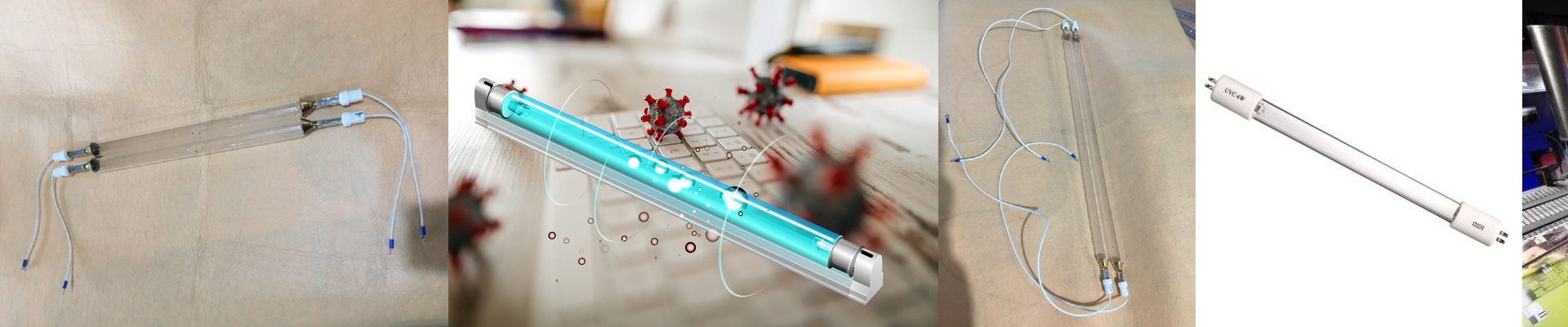
Out on the press floor, it’s usually not the ink that kills a thick-film UV job. It’s the curing energy that can’t hold steady. Miss the right spectral peak, or let irradiance drift, and you’re left with uncured layers—scuffing yield and wasting material.
เราจะไม่พบปัญหาจากหมึกโดยตรงในงาน UV ฟิล์มหนา แต่เป็นพลังงานการบ่มที่ไม่คงที่ หากพลาดจุดสเปกตรัมที่เหมาะสม หรือให้ความเข้มแสงเปลี่ยนแปลง จะมีชั้นที่ยังไม่บ่มเกิดขึ้น ทำให้ผลผลิตเสียหายและวัสดุสูญเปล่า
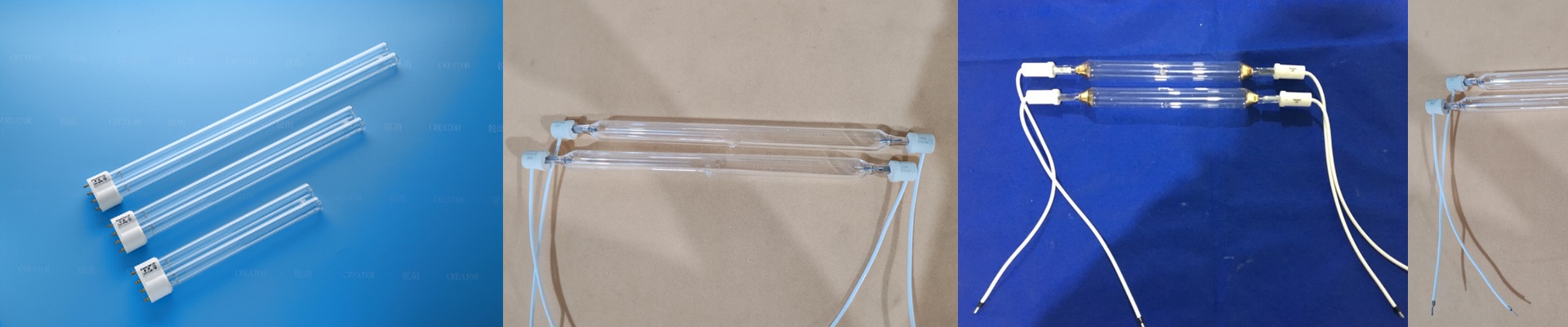
We put every UV lamp through a two-hour, full-power burn-in under load before it ships. It’s 100% inspection, plain and simple, to catch early drift and stabilize output. That’s how you keep the process window predictable, shift after shift.
เราทดสอบหลอด UV ทุกหลอดด้วยการเบิร์นอินเต็มกำลังเป็นเวลา 2 ชั่วโมงภายใต้ภาระก่อนส่งออก นี่คือการตรวจสอบ 100% อย่างตรงไปตรงมา เพื่อจับการเปลี่ยนแปลงตั้งแต่ต้นและทำให้กำลังไฟคงที่ นี่คือวิธีที่ทำให้ช่วงการทำงานของกระบวนการคาดเดาได้อย่างสม่ำเสมอในแต่ละกะ
What matters, technically
ปัจจัยทางเทคนิคที่สำคัญ
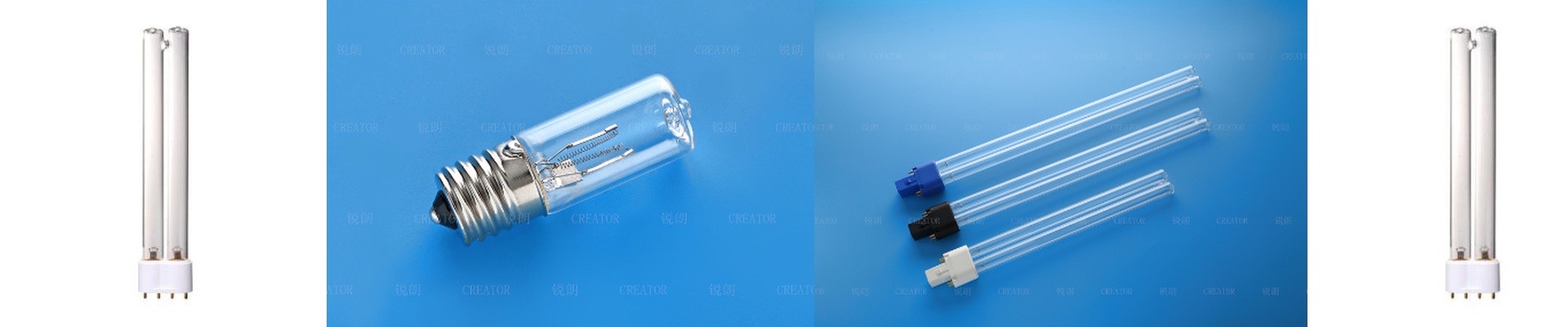
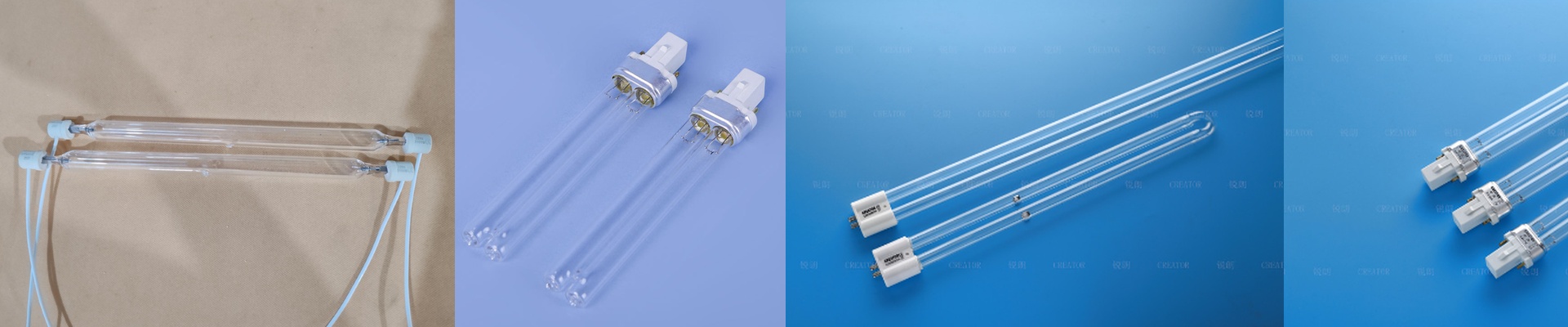
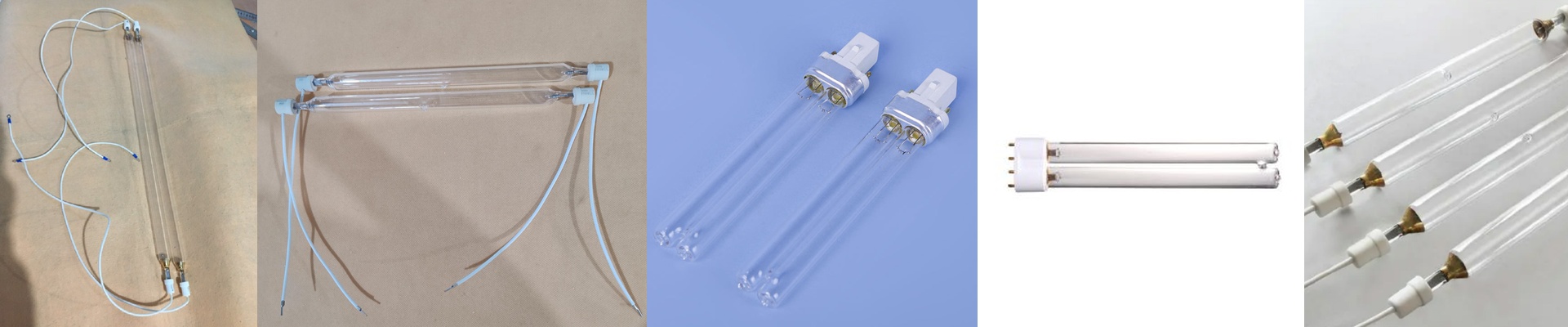
For thick film, gallium UV emitters shape the spectrum where it counts: centered around 395–405 nm, with strong output at 365 nm—the wavelength where photoinitiators in opaque films actually respond. Peak irradiance stays consistent because of a high-reflectance dichroic reflector and stable arc control, which translates to more energy density (mJ/cm²) across the substrate.
สำหรับฟิล์มหนา หลอด UV ที่ใช้สารกัลเลียมจะกำหนดสเปกตรัมในช่วงสำคัญ คือรอบ ๆ 395–405 nm โดยมีการส่งออกแรงที่ 365 nm ซึ่งเป็นความยาวคลื่นที่โฟโตอินิชิเอเตอร์ในฟิล์มทึบแสงตอบสนองได้จริง ความเข้มแสงสูงสุดคงที่เนื่องจากการใช้รีเฟลกเตอร์ไดโครอิกที่มีค่าการสะท้อนสูงและการควบคุมอาร์คที่เสถียร ซึ่งหมายถึงความหนาแน่นพลังงาน (mJ/cm²) ที่สูงขึ้นทั่วทั้งพื้นผิววัสดุ
We engineer power density, lamp length, and end-of-life output to match press speeds without overdriving the arc. That keeps temperature rise in check and reduces thermal stress on the substrate.
เรากำหนดความหนาแน่นพลังงาน ความยาวหลอด และกำลังไฟช่วงปลายอายุการใช้งานให้สอดคล้องกับความเร็วของเครื่องพิมพ์โดยไม่เร่งอาร์คเกินพิกัด ซึ่งช่วยควบคุมการเพิ่มขึ้นของอุณหภูมิและลดความเครียดทางความร้อนบนวัสดุ
Why this works in the real world
เหตุผลที่ใช้ได้จริงในภาคปฏิบัติ
Thick films need deeper penetration and uniform cross-linking. The gallium-doped spectrum pushes photons deeper through pigmented layers, so you get better cure-through on coatings above 30 μm.
ฟิล์มหนาต้องการการซึมลึกและการเชื่อมโยงข้ามที่สม่ำเสมอ สเปกตรัมที่เติมกัลเลียมช่วยให้โฟตอนเจาะลึกผ่านชั้นที่มีเม็ดสี ทำให้การบ่มผ่านชั้นเคลือบที่หนากว่า 30 μm ดีขึ้น
Add in that two-hour full-load burn-in, and you get lamp-to-lamp consistency. Fewer stops to check adhesion. Less scrap that you can measure. Output stays stable over thousands of hours, rework drops, and maintenance intervals stay predictable.
เมื่อนำการเบิร์นอินเต็มโหลด 2 ชั่วโมงมารวมด้วย จะทำให้ความสม่ำเสมอระหว่างหลอดดีขึ้น ลดการหยุดเพื่อเช็คการยึดติด ลดของเสียที่ตรวจวัดได้ กำลังไฟคงที่ตลอดหลายพันชั่วโมง ลดงานแก้ไข และช่วงเวลาการบำรุงรักษาคงที่คาดเดาได้
Here is what to keep in mind
สิ่งที่ควรคำนึงถึง
Match the emitter to your reflector geometry and the cure module airflow. Gallium lamps run hotter at the arc than some mercury options, so cooling has to be adequate and the fixture aligned properly—otherwise you risk hot spots and premature aging.
เลือกหลอดปล่อยแสงให้เหมาะกับรูปทรงรีเฟลกเตอร์และการไหลของอากาศในโมดูลบ่ม หลอดกัลเลียมจะร้อนกว่าอาร์คของหลอดปรอทบางรุ่น จึงต้องมีการระบายความร้อนเพียงพอและจัดตั้งอุปกรณ์อย่างถูกต้อง มิฉะนั้นจะเสี่ยงต่อจุดร้อนและการเสื่อมสภาพก่อนเวลา
Double-check spectral compatibility with your ink’s photoinitiators, and confirm voltage, connector, and length against the cure station footprint before you install.
ตรวจสอบความเข้ากันได้ของสเปกตรัมกับโฟโตอินิชิเอเตอร์ของหมึกอีกครั้ง และยืนยันแรงดันไฟฟ้า ขั้วต่อ และความยาวให้ตรงกับขนาดของสถานีบ่มก่อนติดตั้งจริง