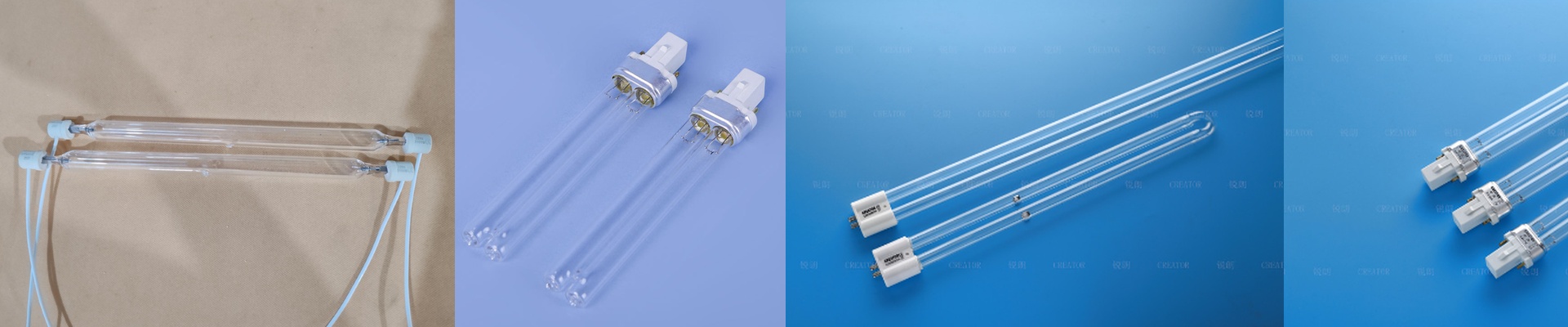
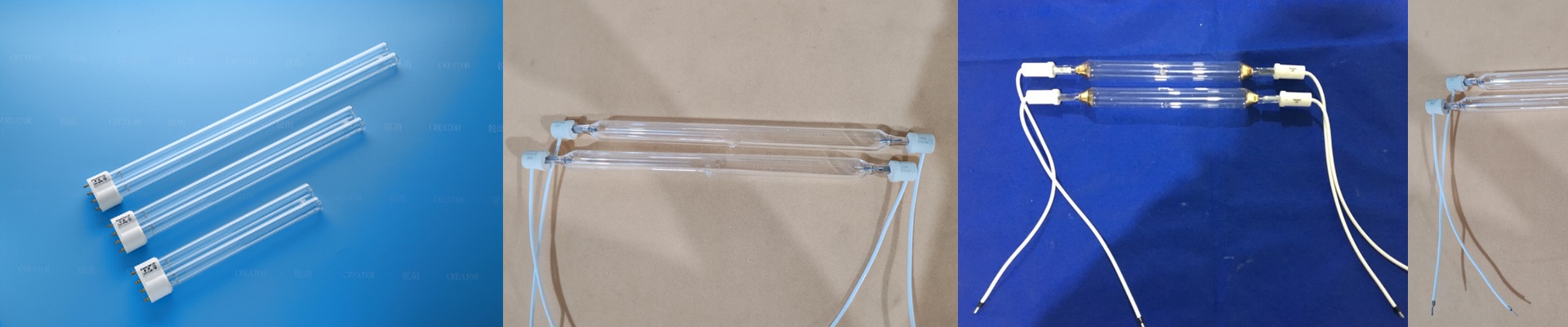
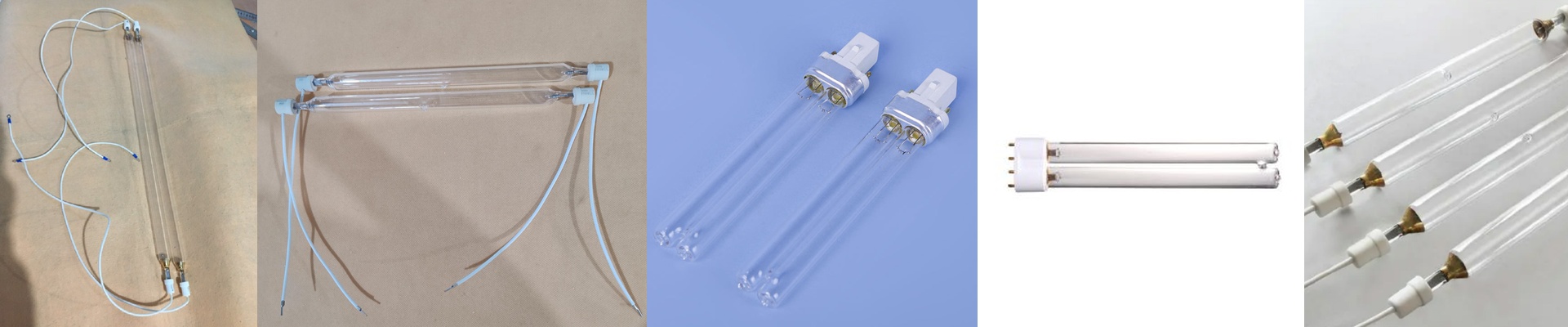
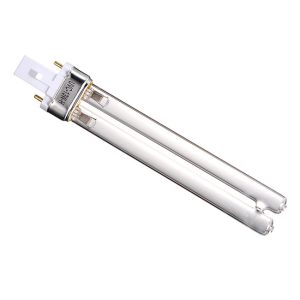
Out on the press floor, it’s usually not the ink that kills a thick-film UV job. It’s the curing energy that can’t hold steady. Miss the right spectral peak, or let irradiance drift, and you’re left with uncured layers—scuffing yield and wasting material. We put every UV lamp through a two-hour, full-power burn-in under load before it ships. It’s 100% inspection, plain and simple, to catch early drift and stabilize output. That’s how you keep the process window predictable, shift after shift. What matters, technically For thick film, gallium UV emitters shape the spectrum where it counts: centered around 395–405 nm, with strong output at 365 nm—the wavelength where photoinitiators in opaque films actually respond. Peak irradiance stays consistent because of a high-reflectance dichroic reflector and stable arc control, which translates to more energy density (mJ/cm²) across the substrate. We engineer power density, lamp length, and end-of-life output to match press speeds without overdriving the arc. That keeps temperature rise in check and reduces thermal stress on the substrate. Why this works in the real world Thick films need deeper penetration and uniform cross-linking. The gallium-doped spectrum pushes photons deeper through pigmented layers, so you get better cure-through on coatings above 30 μm. Add in that two-hour full-load burn-in, and you get lamp-to-lamp consistency. Fewer stops to check adhesion. Less scrap that you can measure. Output stays stable over thousands of hours, rework drops, and maintenance intervals stay predictable. Here is what to keep in mind Match the emitter to your reflector geometry and the cure module airflow. Gallium lamps run hotter at the arc than some mercury options, so cooling has to be adequate and the fixture aligned properly—otherwise you risk hot spots and premature aging. Double-check spectral compatibility with your ink’s photoinitiators, and confirm voltage, connector, and length against the cure station footprint before you install.